Busan
Contents
Overview
Busan is South Korea's second city and its most liveable — a coastal port city of 3.4 million that trades Seoul's intensity for beaches, seafood, hills, and a pace that makes it easier to enjoy. Haeundae Beach is one of Korea's most famous stretches of sand; Jagalchi Fish Market is the best place to eat raw seafood in Korea; the Gamcheon Culture Village is the most photographed neighbourhood in the country. Busan is a city that works on its own terms.
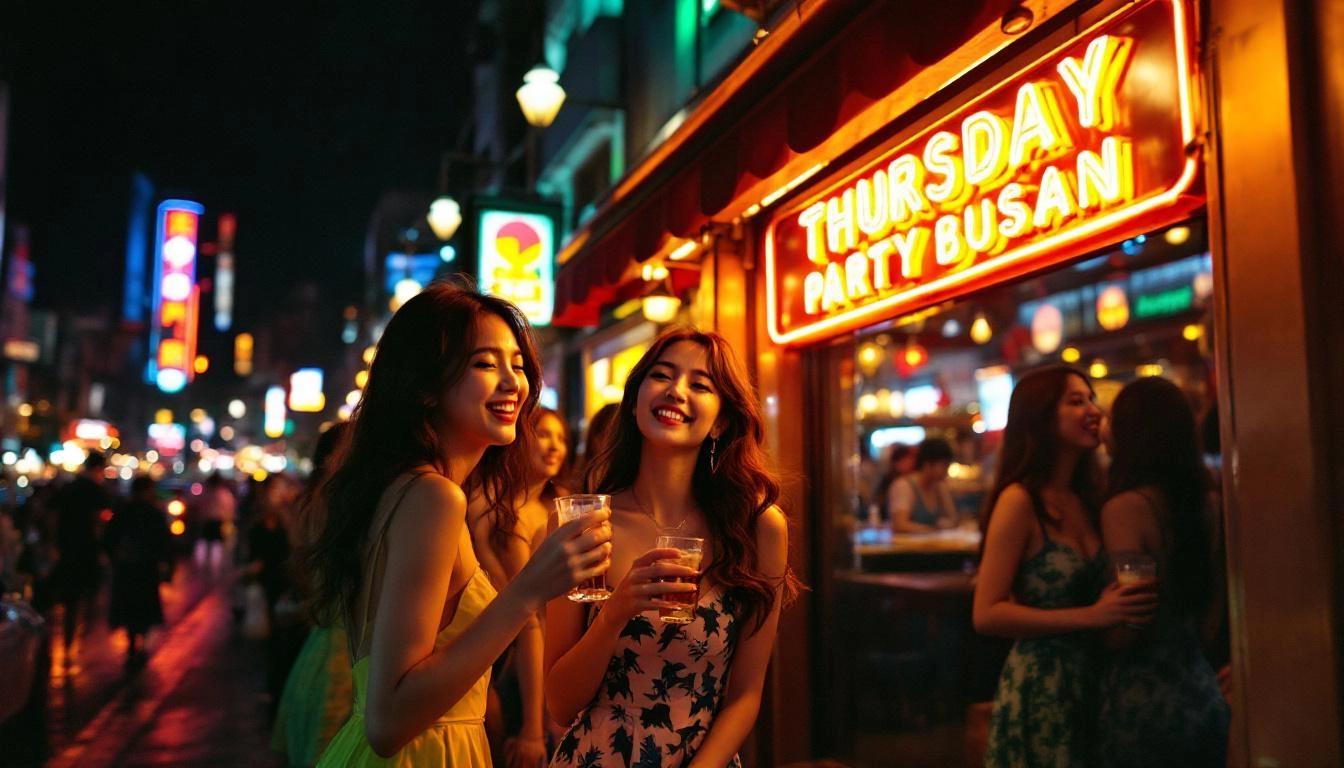
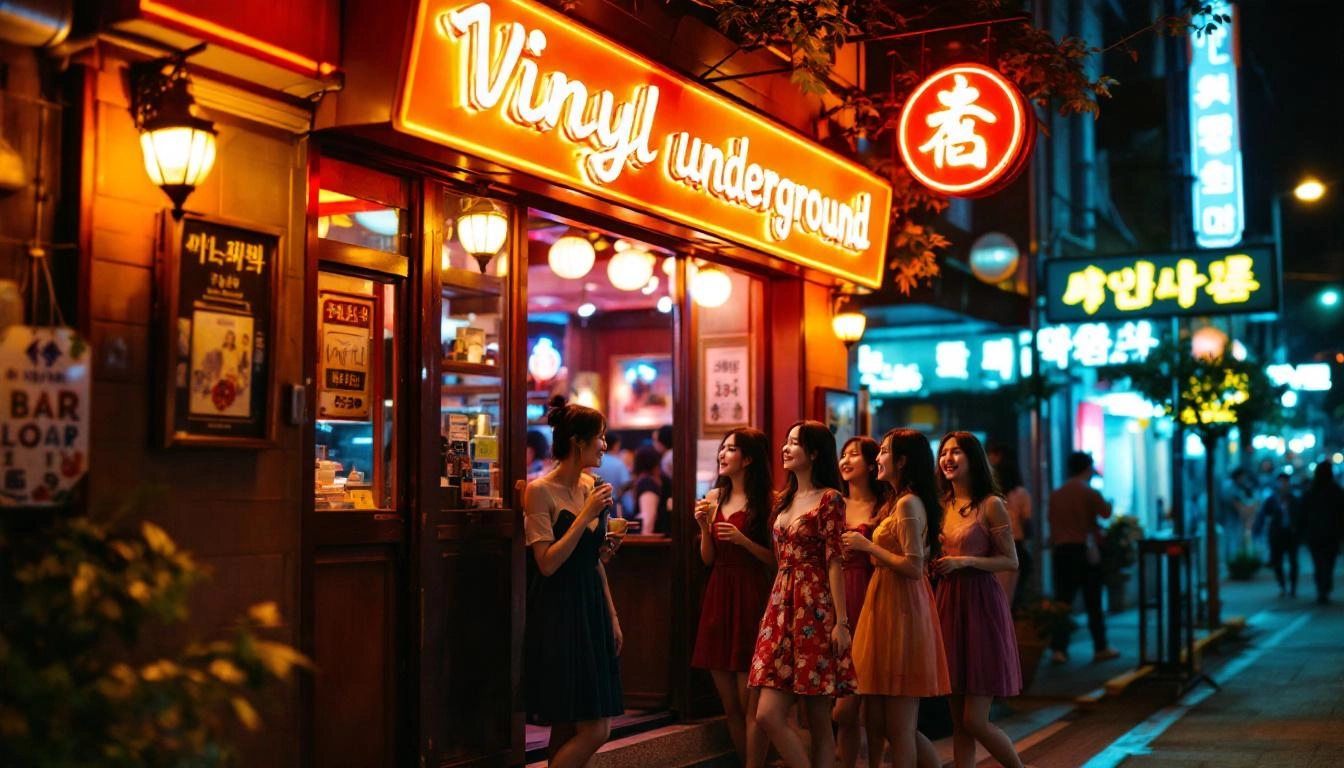
The nightlife centres on Seomyeon, the main commercial district, which has the bar and club density that Seoul's Hongdae has but at a smaller scale and with a more local-facing crowd. Haeundae Beach runs a separate beach bar and club circuit that peaks in summer and is tourist-accessible year-round. Gwangalli Beach, with its illuminated bridge backdrop, has developed a bar strip that's now competitive with Haeundae for evening options.
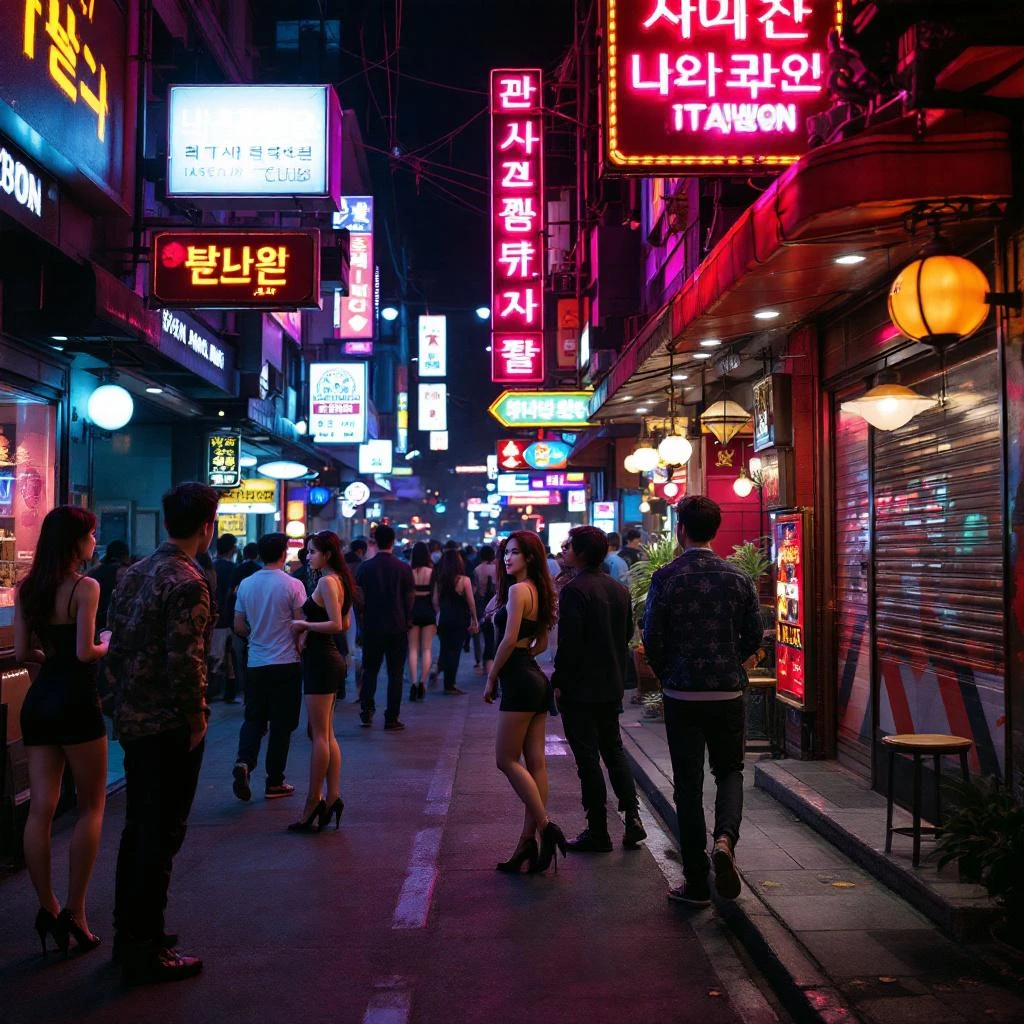
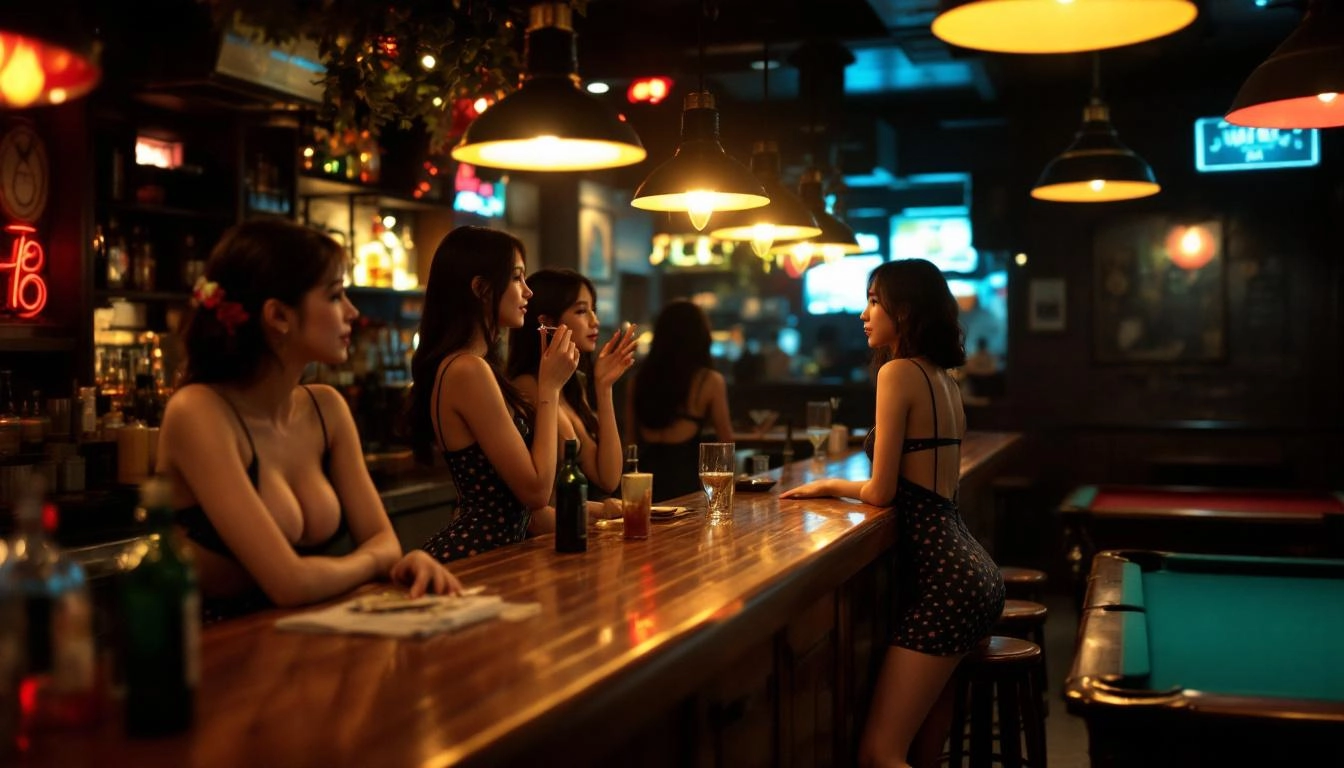
The adult entertainment scene in Busan mirrors Seoul's in format — room salons for the local market, juicy bars in the Seomyeon area accessible to foreigners — but at a smaller scale and with even less foreigner infrastructure. English is thinner on the ground than Itaewon. The juicy bar format is findable in Seomyeon but requires more legwork than Hooker Hill.
Busan rewards visitors who treat it as a city and beach destination with nightlife attached. Two or three days between Seoul and Jeju — by KTX (2.5 hours, 59,800 KRW) or domestic flight — is the right allocation.
Same framework as Seoul. Room salons and juicy bars operate in a tolerated grey area under periodic enforcement.
Red Light Districts
 3 venues
Seomyeon
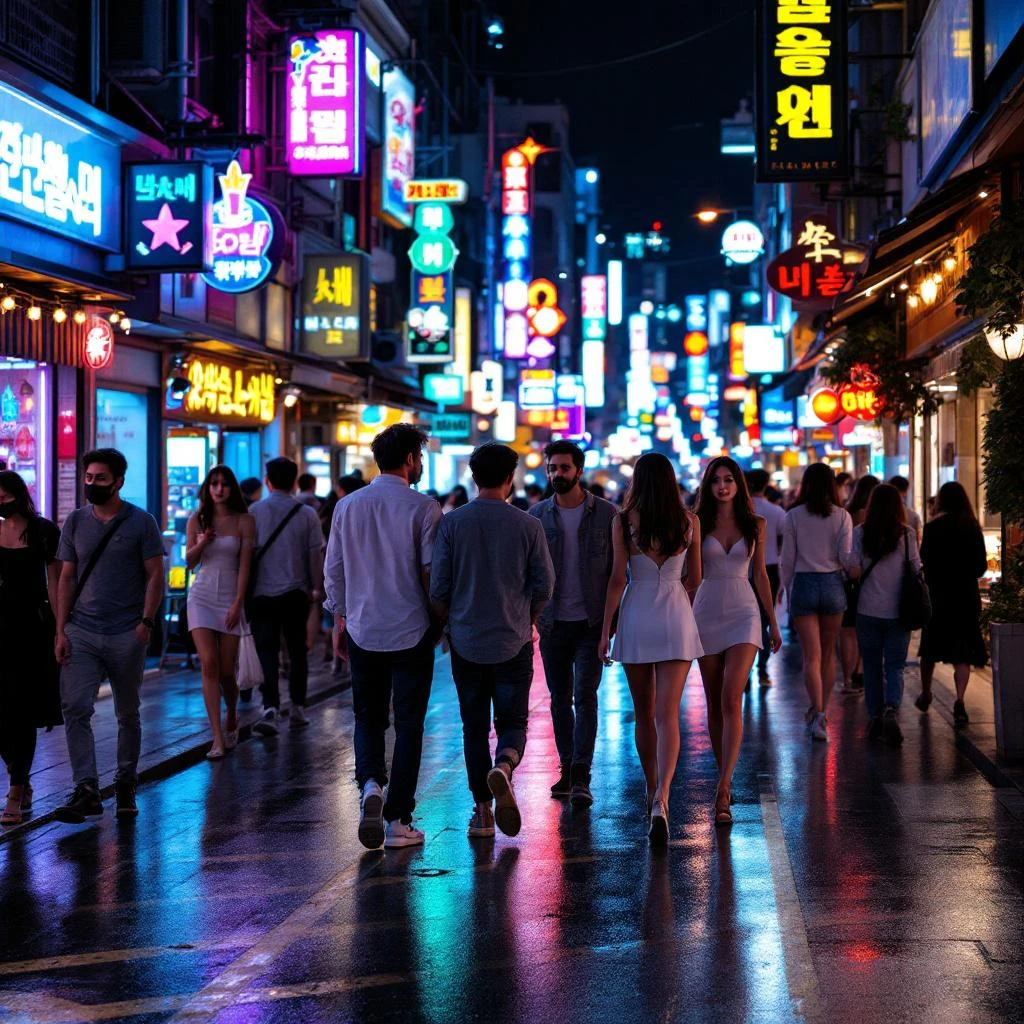
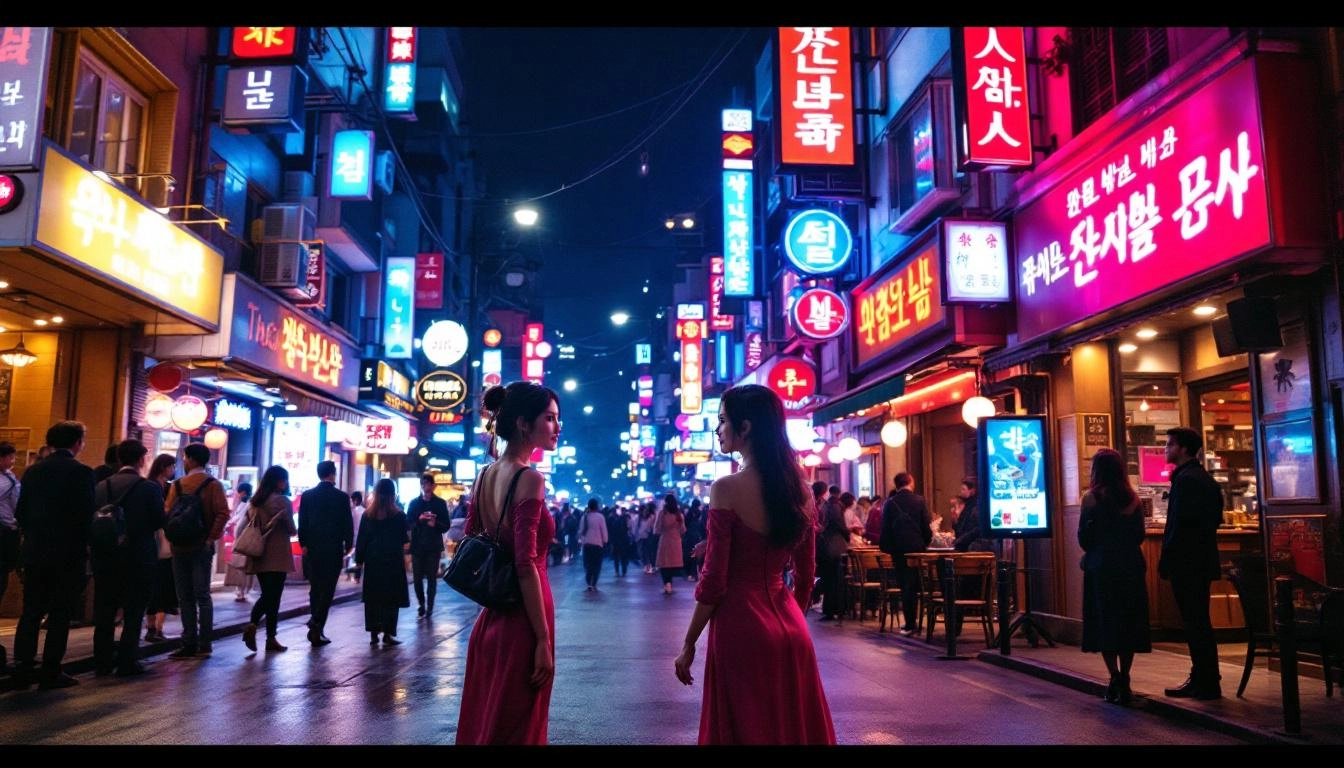
Bars, Clubs, Juicy BarsSeomyeon is Busan's Times Square — the central commercial and entertainment hub where the two main metro lines intersect and every form of Korean nightlife concentrates. Department stores, restaurants, bars, clubs, and the adult entertainment circuit that operates in Seomyeon's underground passages and upper-floor venues.
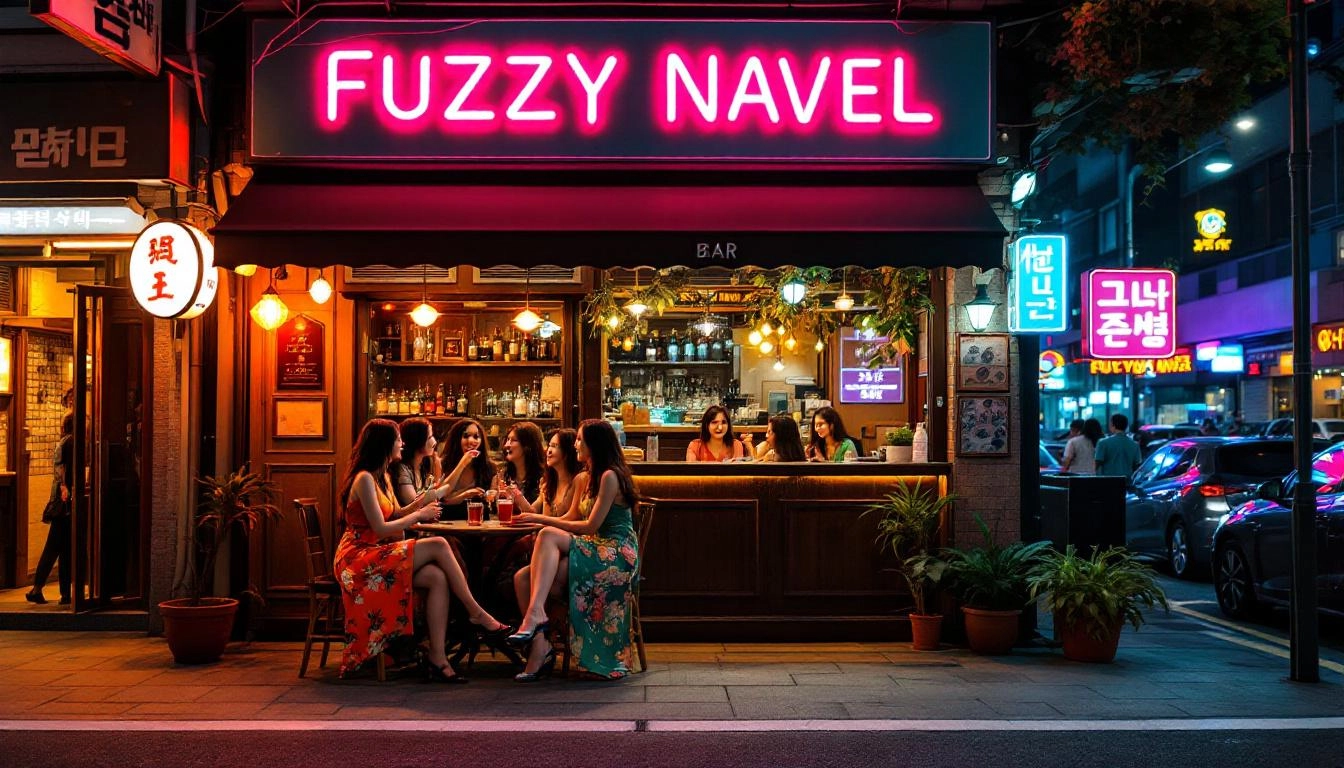
The juicy bar equivalent in Busan is findable in the streets north of the main Seomyeon intersection — less concentrated than Itaewon's Hooker Hill, requiring more walking to identify the right venues. The format is the same: female companions, juice purchases, negotiated arrangements. Less English than Itaewon; more effort required.
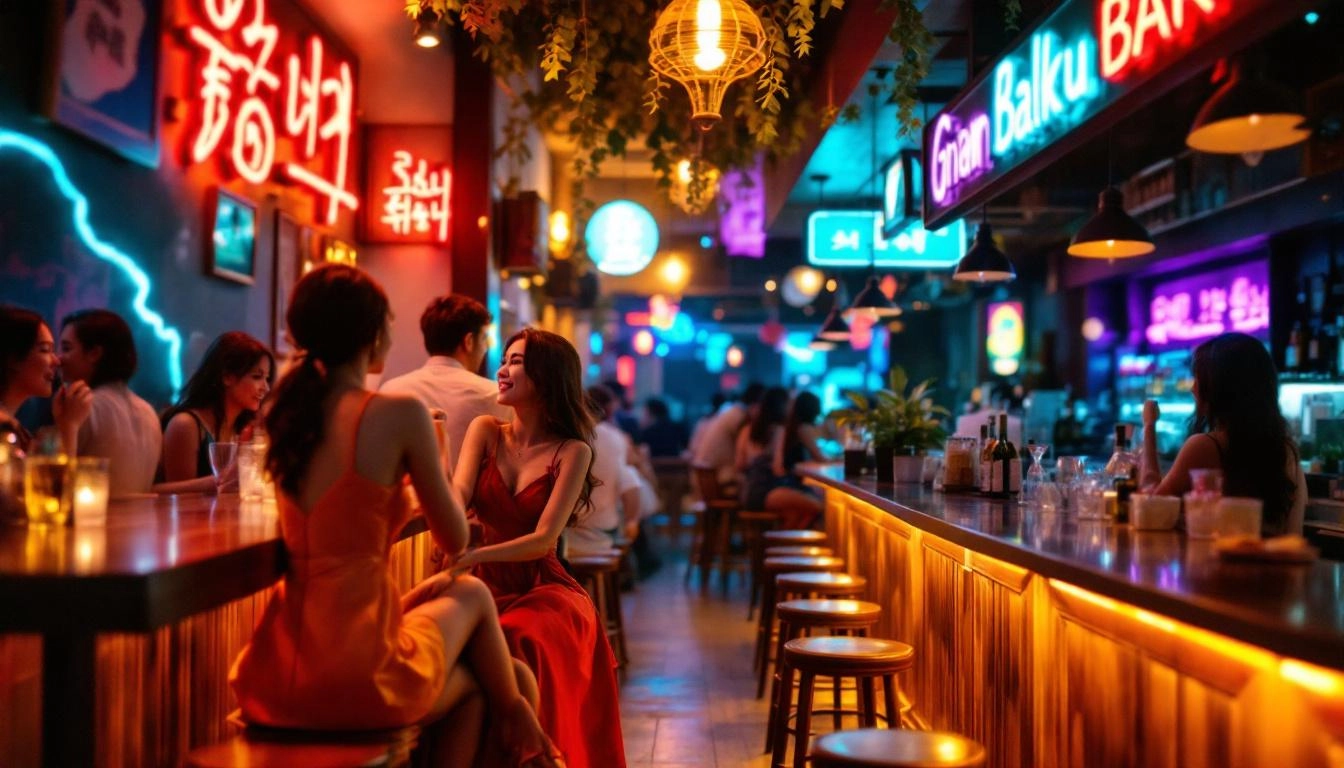
The surface bar and club scene in Seomyeon is excellent by any comparison. Younger Korean crowd, well-designed spaces, and the kind of nightlife energy that a city of 3.4 million generates when it has one concentrated zone. Peaks from 10pm to 4am on weekends.
 3 venues
Haeundae Beach
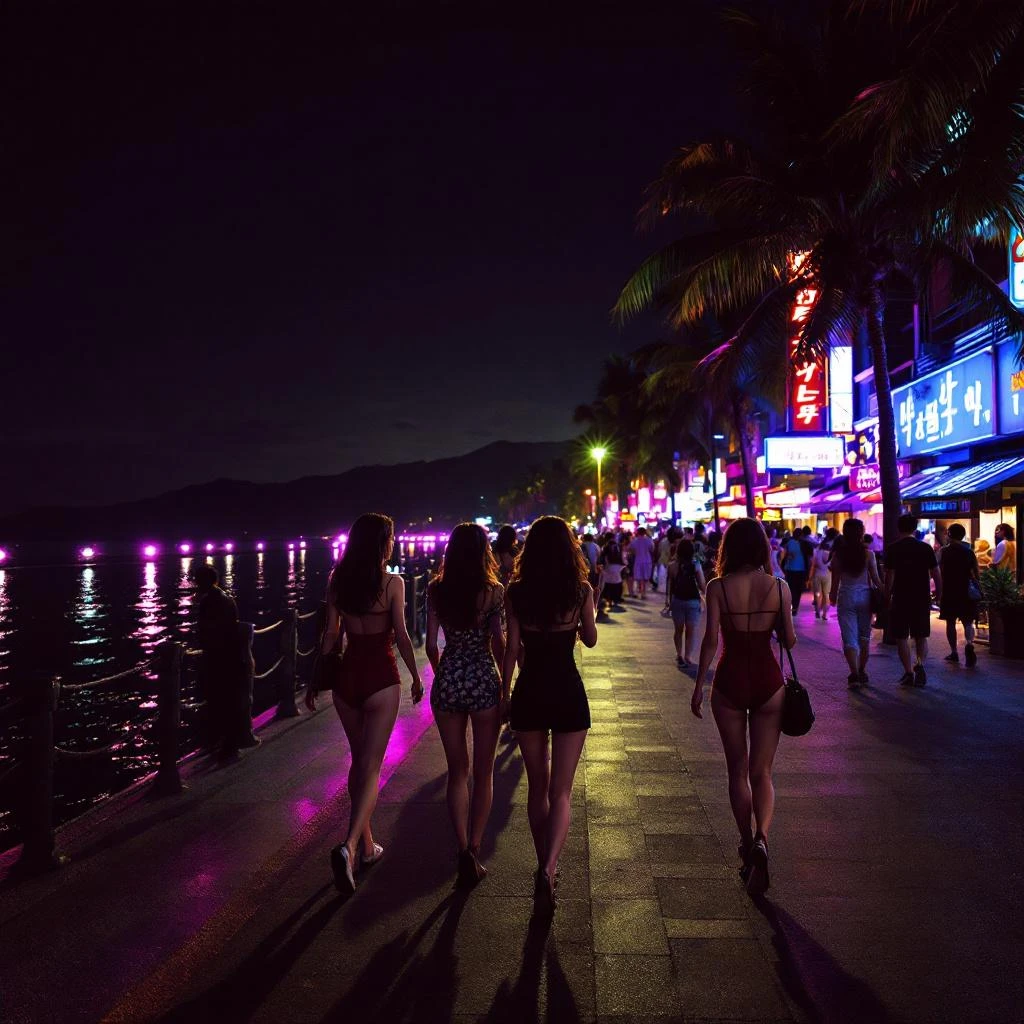
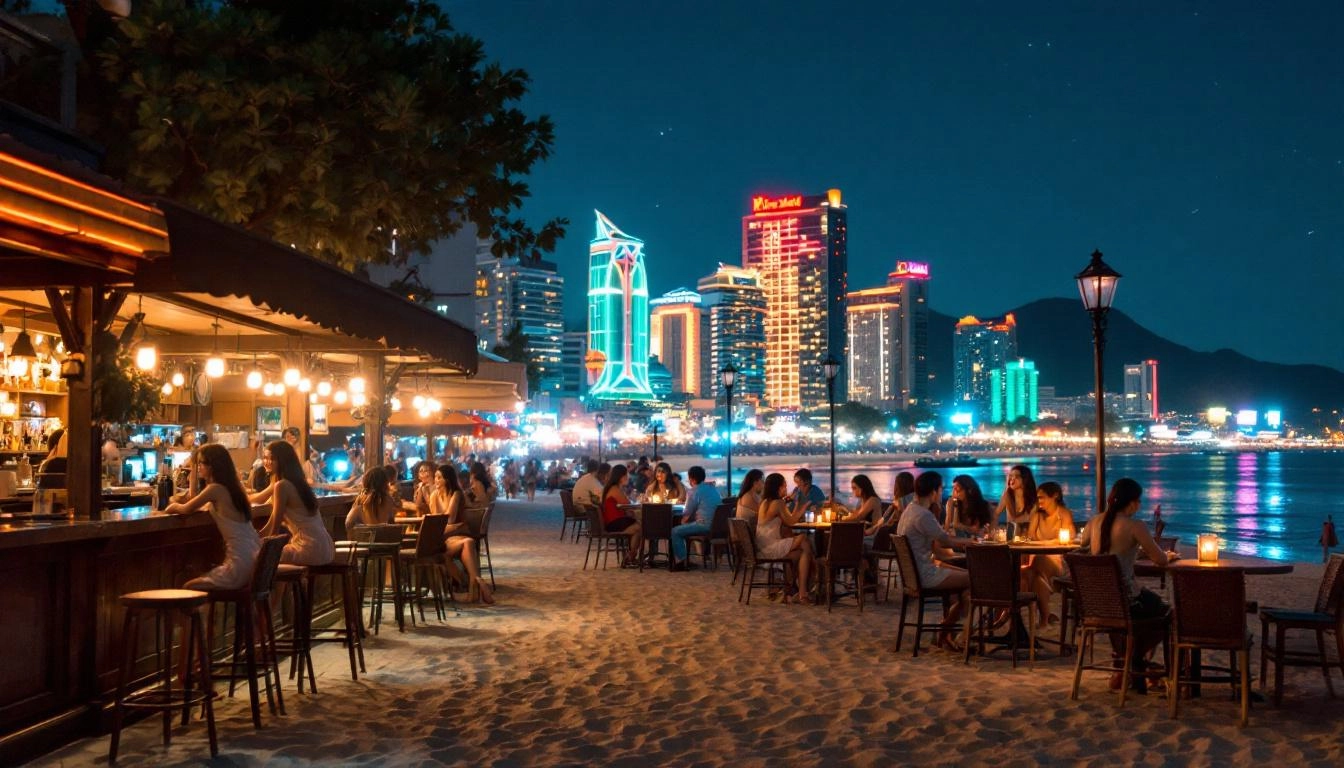
Beach Bars, Clubs, Beach PartiesHaeundae is Korea's most famous beach and Busan's summer centre of gravity — a 1.5km arc of sand backed by high-rise hotels, with a beach club and bar strip that runs along the beachfront promenade. The scene peaks in July and August when the beach fills to capacity and every bar is standing room only; it runs at a lower level year-round.
The bar format here is beach-accessible and more tourist-friendly than Seomyeon: English menus, outdoor terraces, and the casual social mixing of people who are on holiday and in a good mood. The clubs behind the beachfront run late on summer weekends with DJ nights and pool parties.
The Haeundae scene is conventional nightlife rather than adult entertainment in the P4P sense — the right environment for meeting people through normal social dynamics rather than structured transactions. The Gwangalli Beach strip, 10 minutes by metro, provides a similar experience with the added bonus of the illuminated Gwangan Bridge backdrop.
Venues in Busan
Map
Cost Guide
Busan is comparable to Seoul on most costs — slightly cheaper accommodation outside the Haeundae beach hotel premium. Beer at a bar 5,000–8,000 KRW. Haeundae beach club cocktails 15,000–22,000 KRW. Seafood at Jagalchi: live abalone and raw fish for 30,000–80,000 KRW per person.
Accommodation: guesthouses in Seomyeon from 35,000 KRW, Haeundae beach hotels from 80,000 KRW.
The women
Busan, Korea's second city and largest port, runs a more relaxed scene than Seoul to match its easygoing coastal character. The same national picture applies — the post-2004 crackdown pushed the trade into room salons and grey-area venues, almost all Korean-language and local — but Busan's port and its history of foreign sailors gave it Texas Street, the long-standing foreigner-facing nightlife pocket near the main station, which remains the most accessible entry point for visitors.
The working women are Korean; insider knowledge and language gate the rest as everywhere in Korea.
The everyday women of Busan share the modern, style-conscious Korean outlook but with a reputation for being a touch warmer and less frantic than Seoulites — the beach-city pace. The same dating culture of introductions, homogeneous apps and strong family expectations applies, and foreigner reception is mixed but generally curious in the university and beach areas like Haeundae and Kyungsung. Apps work for the more international-minded; the slower coastal vibe makes Busan a friendlier place to try than the capital.
Safety & Scams
Bangkok is safe for tourists. The risks are almost entirely financial — know the scams before you land.
Busan is very safe. The beach areas during summer peak season have the usual pickpocket and scam risk of any heavily-visited tourist zone. Seomyeon late at night requires standard awareness.
Tourist police hotline: 1155. English speakers available 24/7.
Getting Around
Busan metro has 4 lines covering the main zones. Seomyeon is the central hub (Lines 1 and 2). Haeundae is the end of Line 2 — 30 minutes from Seomyeon. Gwangalli is Gwangan station on Line 2.
Kakao T works in Busan. Busan Station (KTX) and Busan Express Bus Terminal are both metro-connected. Gimhae International Airport is 30 minutes by metro (Line 3 + Airport Line).
Where to Stay
Seomyeon for the nightlife zones — metro-central, walkable to everything in the entertainment district. Haeundae Beach for the beach experience — premium pricing but the location justifies it in summer. Gwangalli is the best balance: beach access, Gwangan Bridge views, and a 20-minute metro to Seomyeon.
Best Time to Go
April to June and September to October are the best windows — mild temperatures (18–26°C), low humidity, the city at its most comfortable. Haeundae Beach is swimmable May through October.
July and August are peak season — the beach is packed with Korean domestic tourists, accommodation prices double or triple, and the humidity is oppressive (30–35°C). The nightlife is at its most energetic but the crowds are intense. Winter (December–February) is cold (0–8°C) — the beach is empty but Seomyeon runs normally.
Ladyboy Scene
No organised transgender adult entertainment scene. Some presence in the Seomyeon bar area. Not a factor worth routing a trip around.
Cannabis
Thailand legalised recreational cannabis in 2022 — the first country in Southeast Asia to do so.
Illegal in South Korea, severe penalties. Same position as Seoul.