Philippines
Contents
Cities 4
Map
Popular red light districts in Philippines
See all →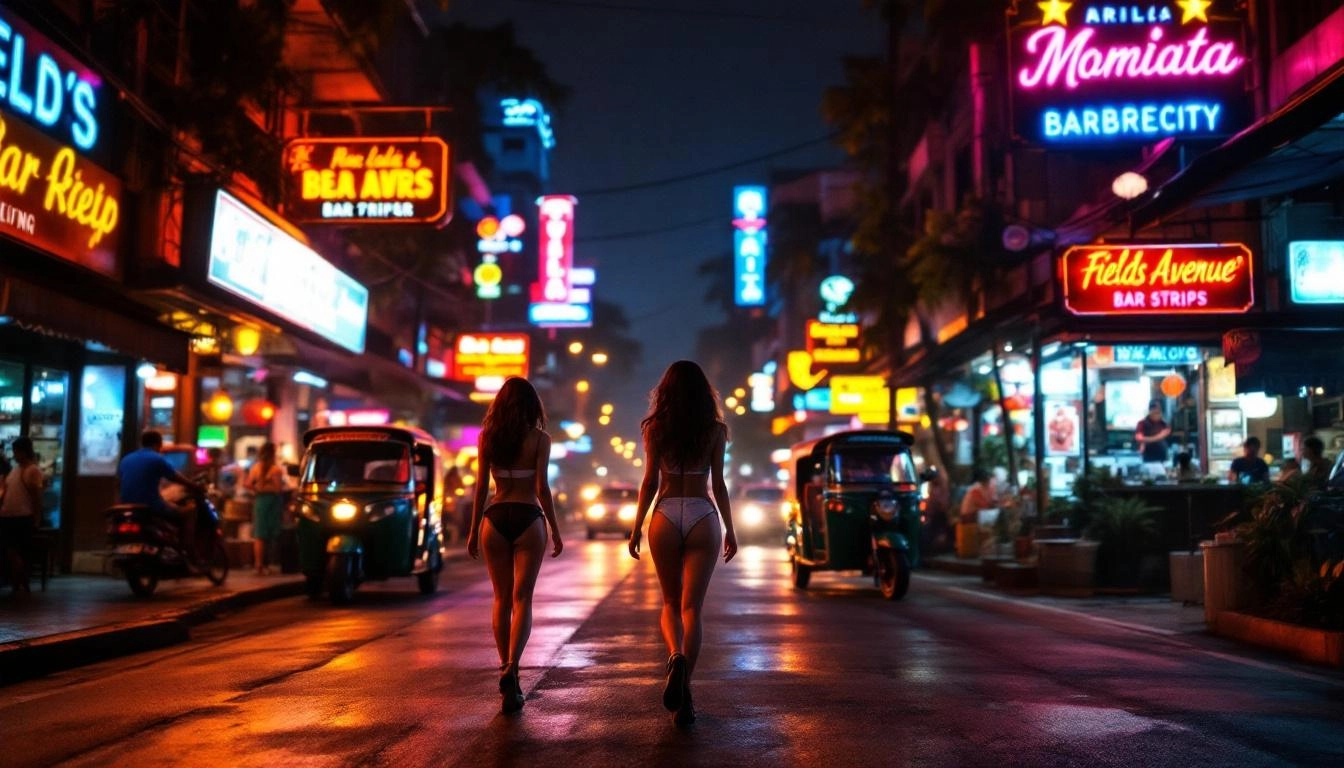
All Venues


Overview
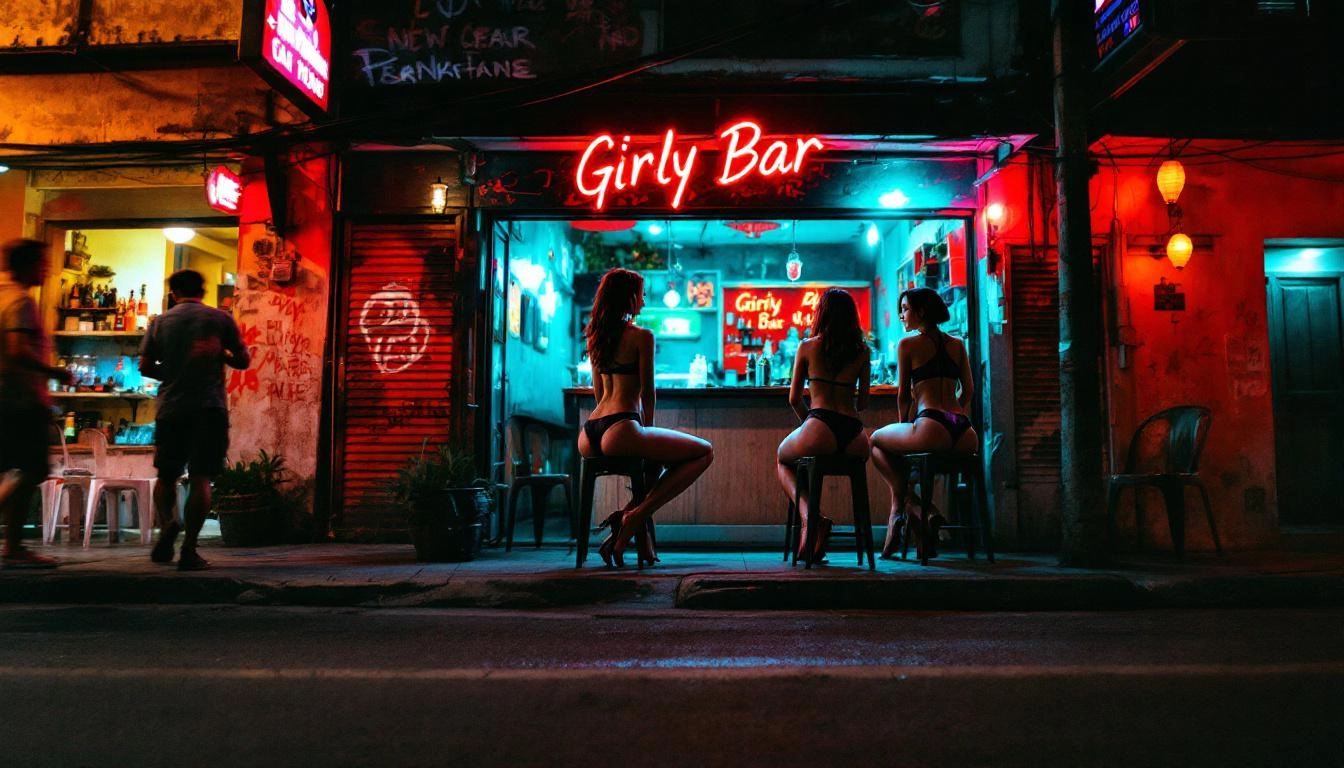
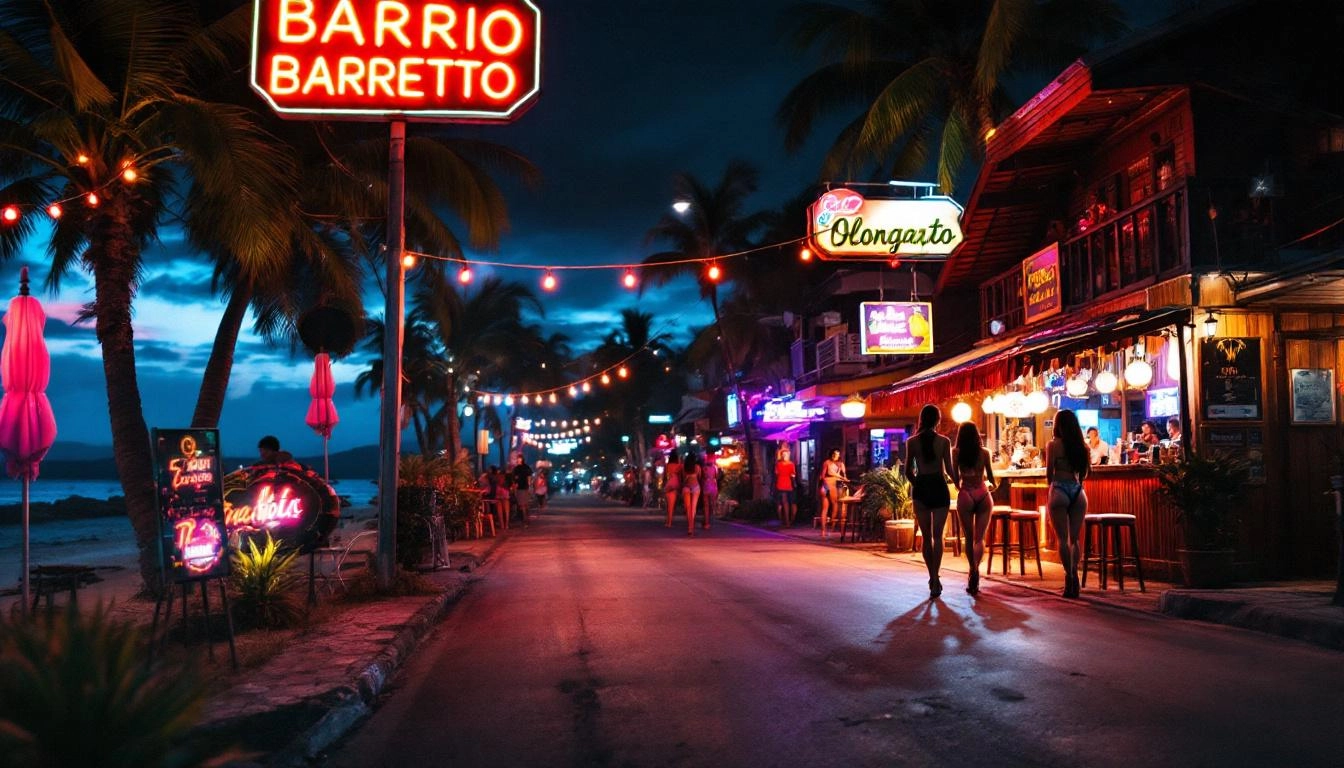
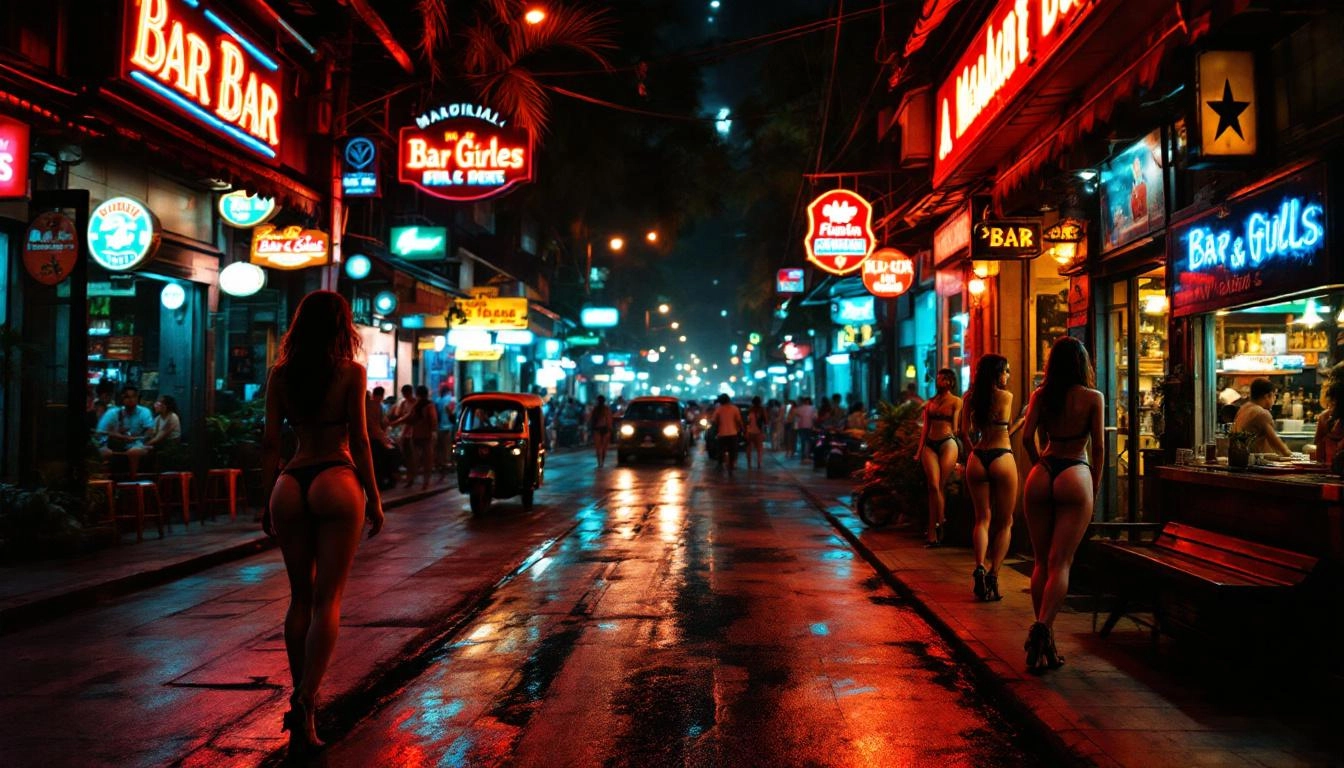
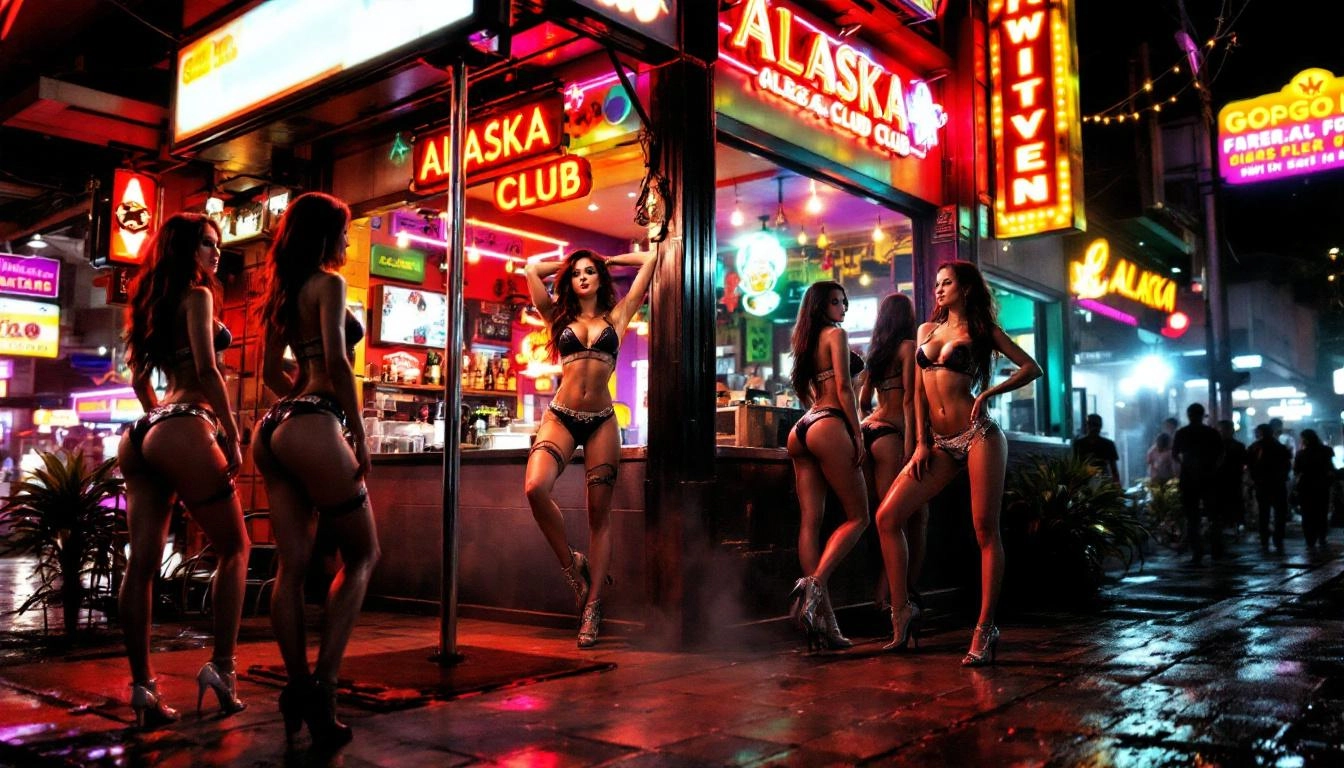
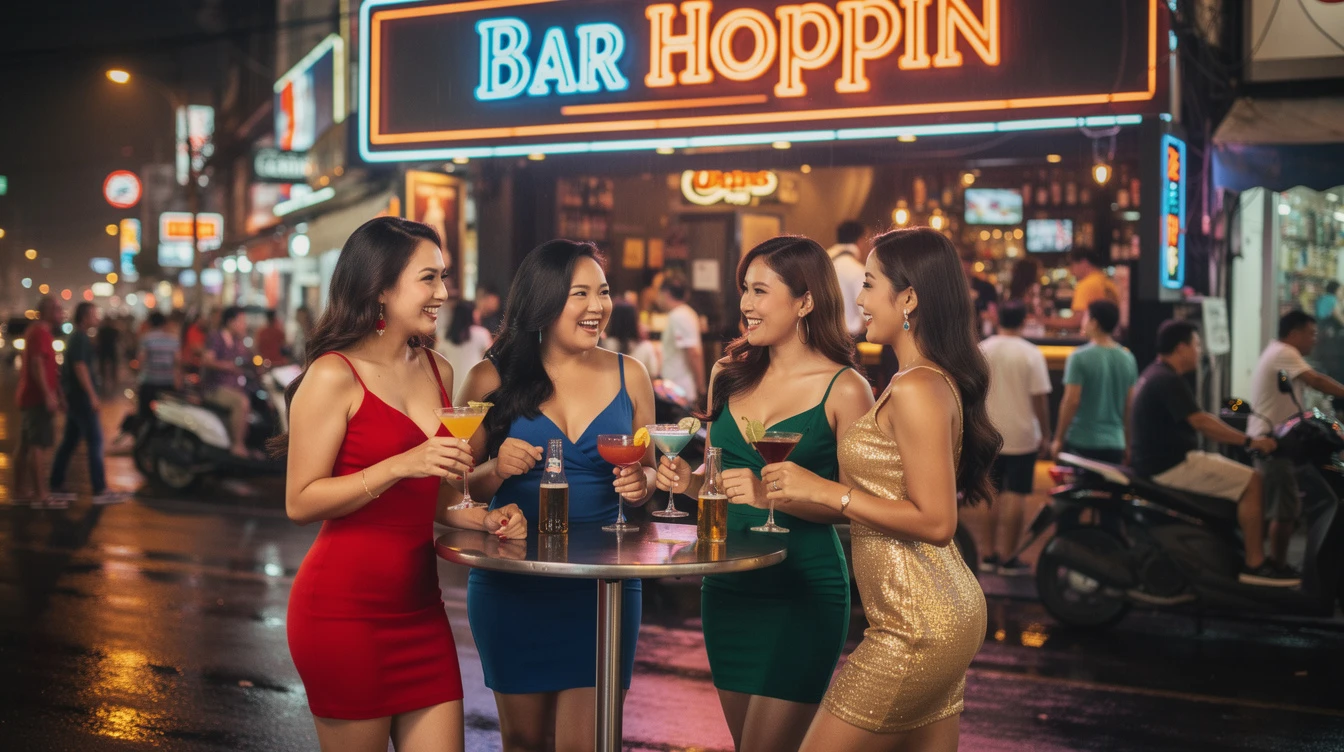
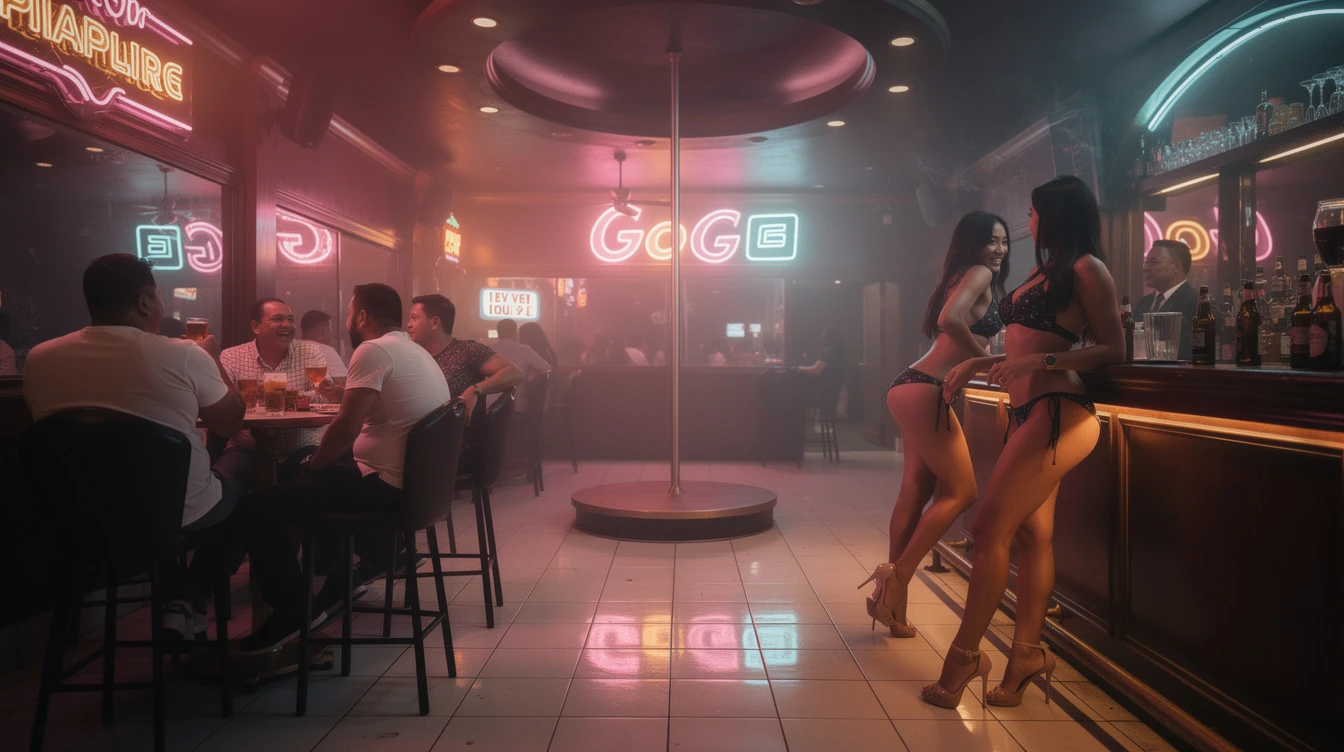
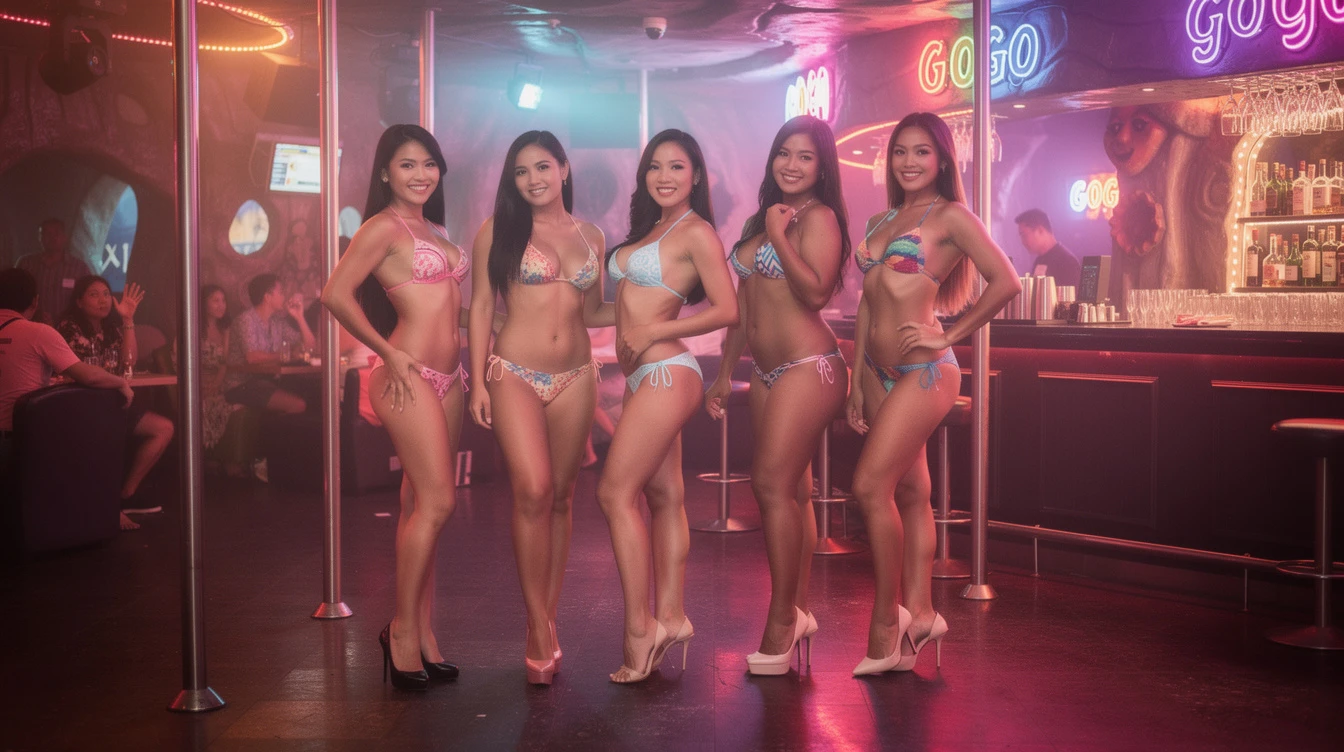
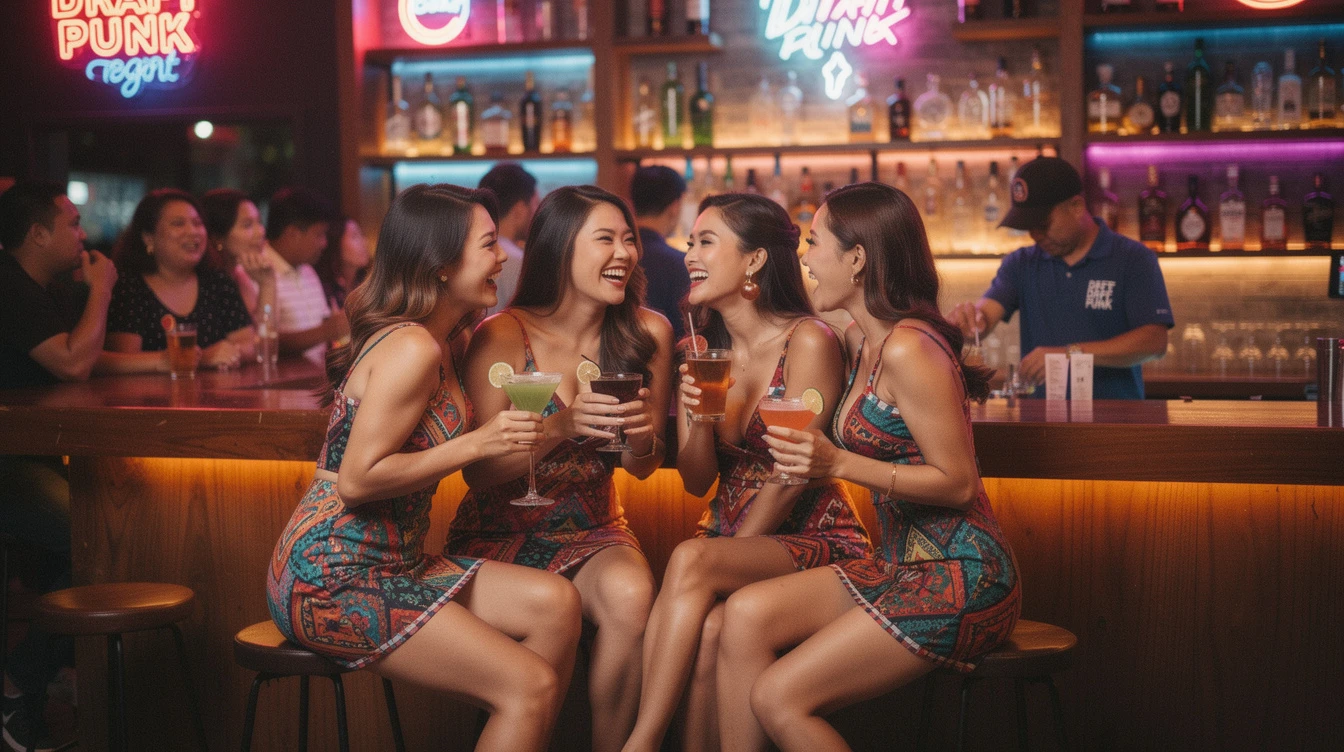
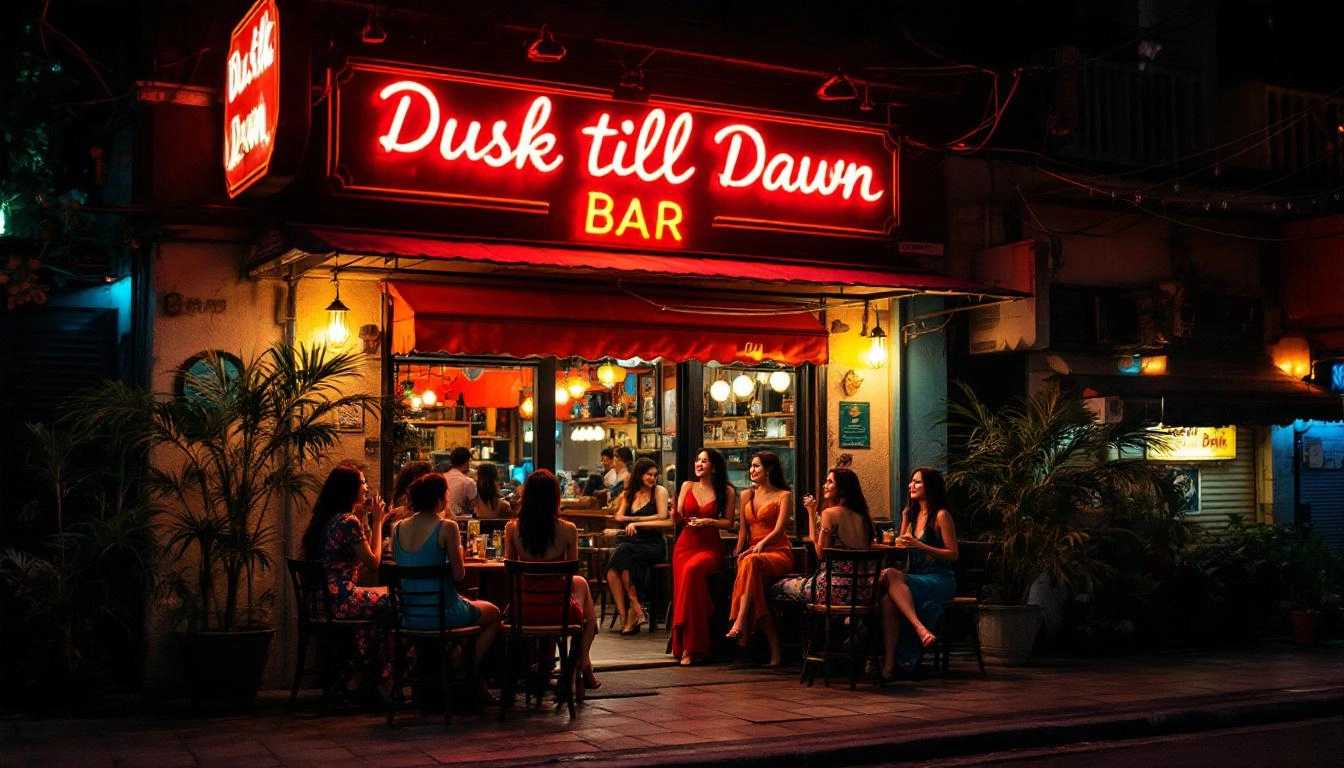
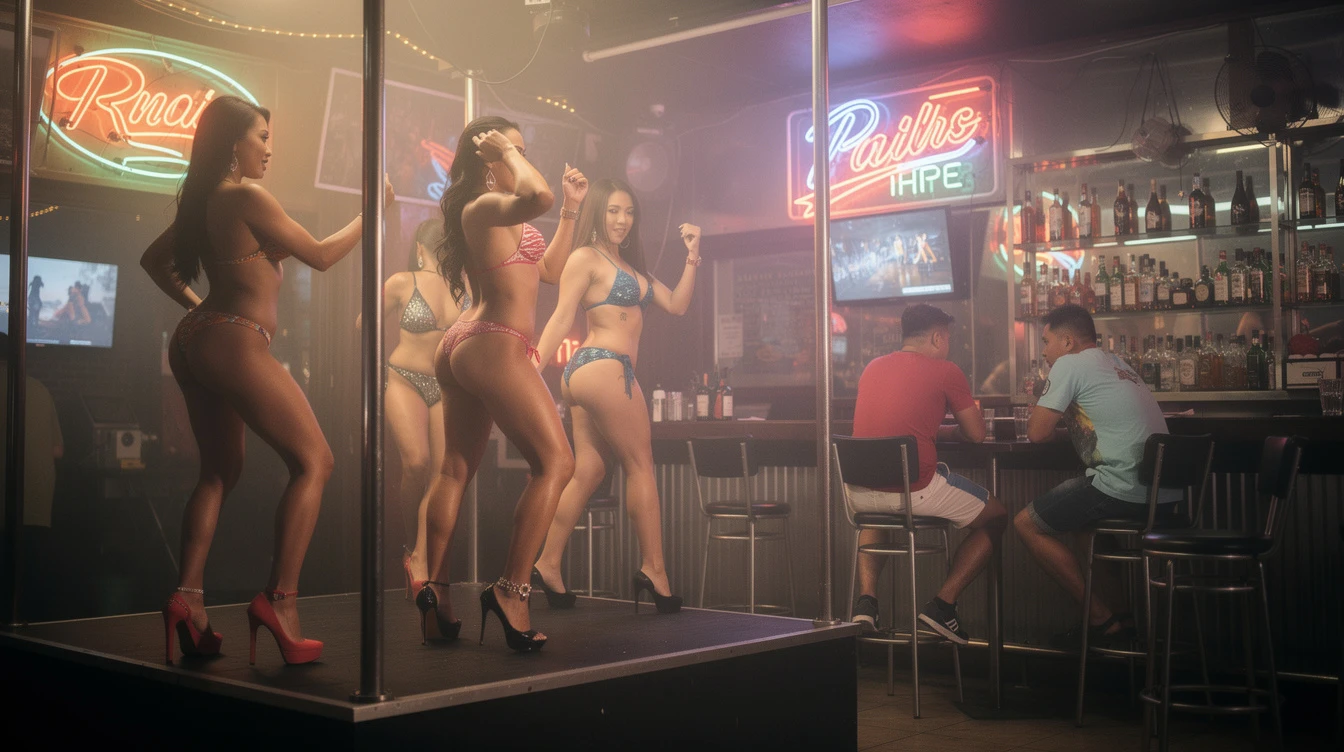
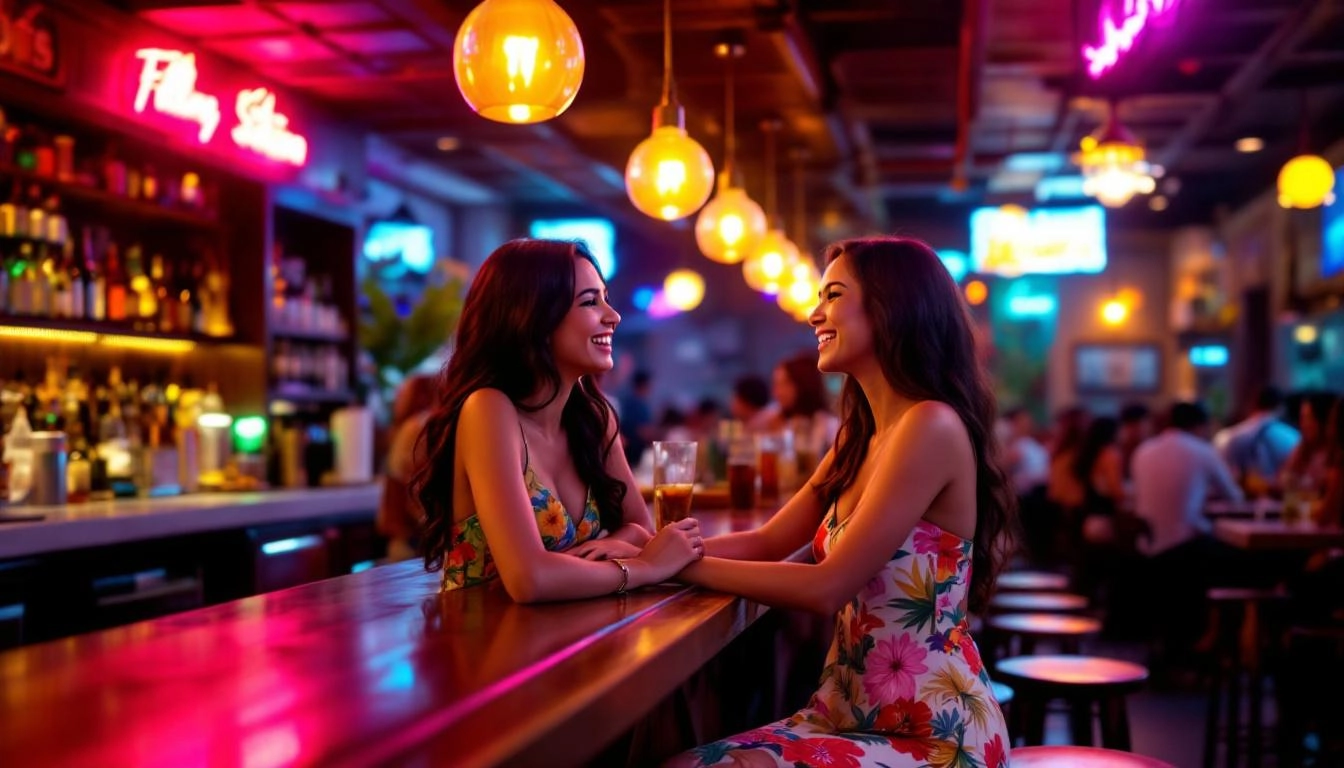
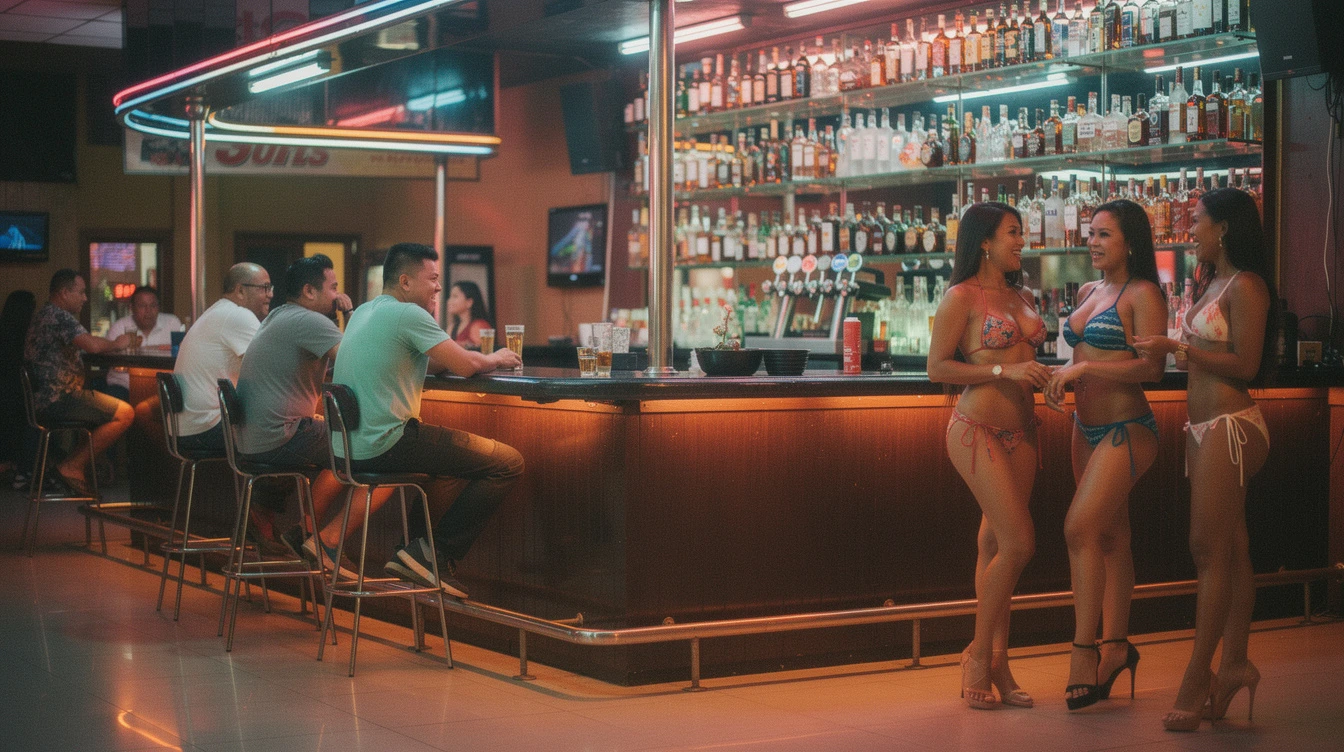
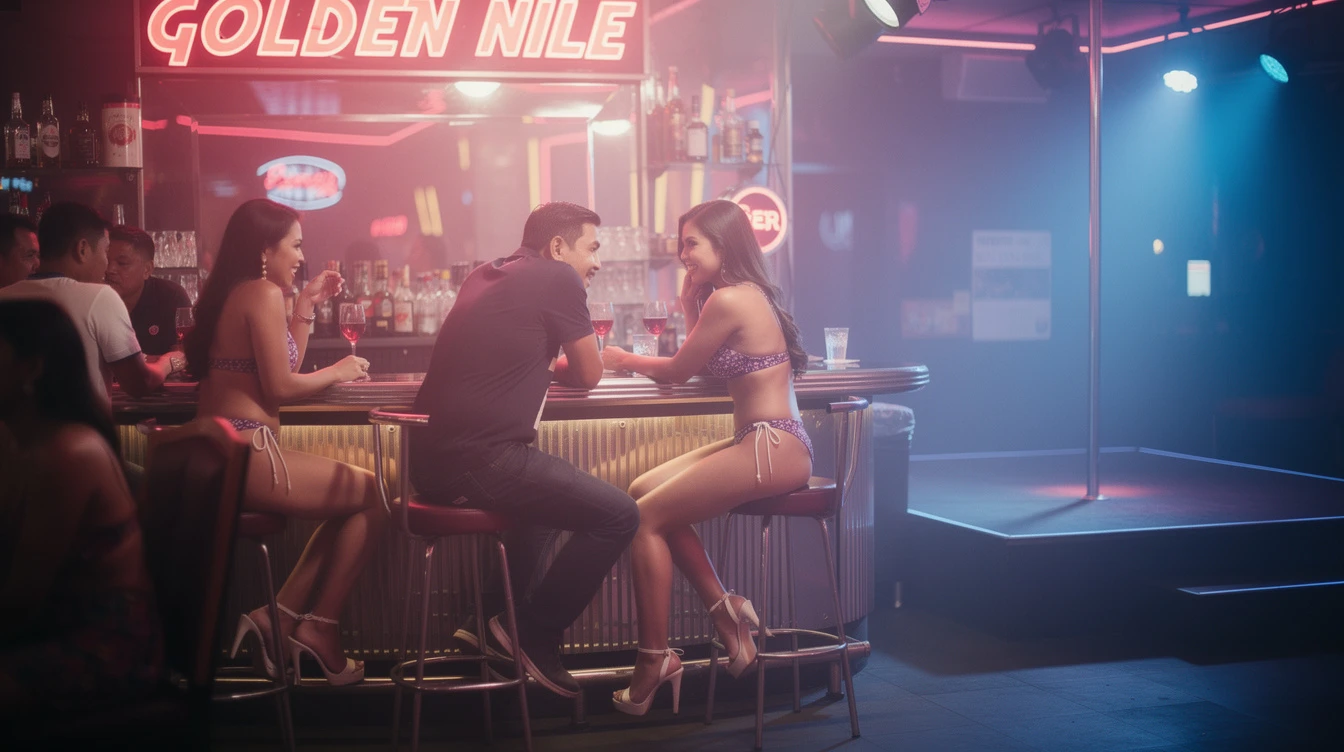
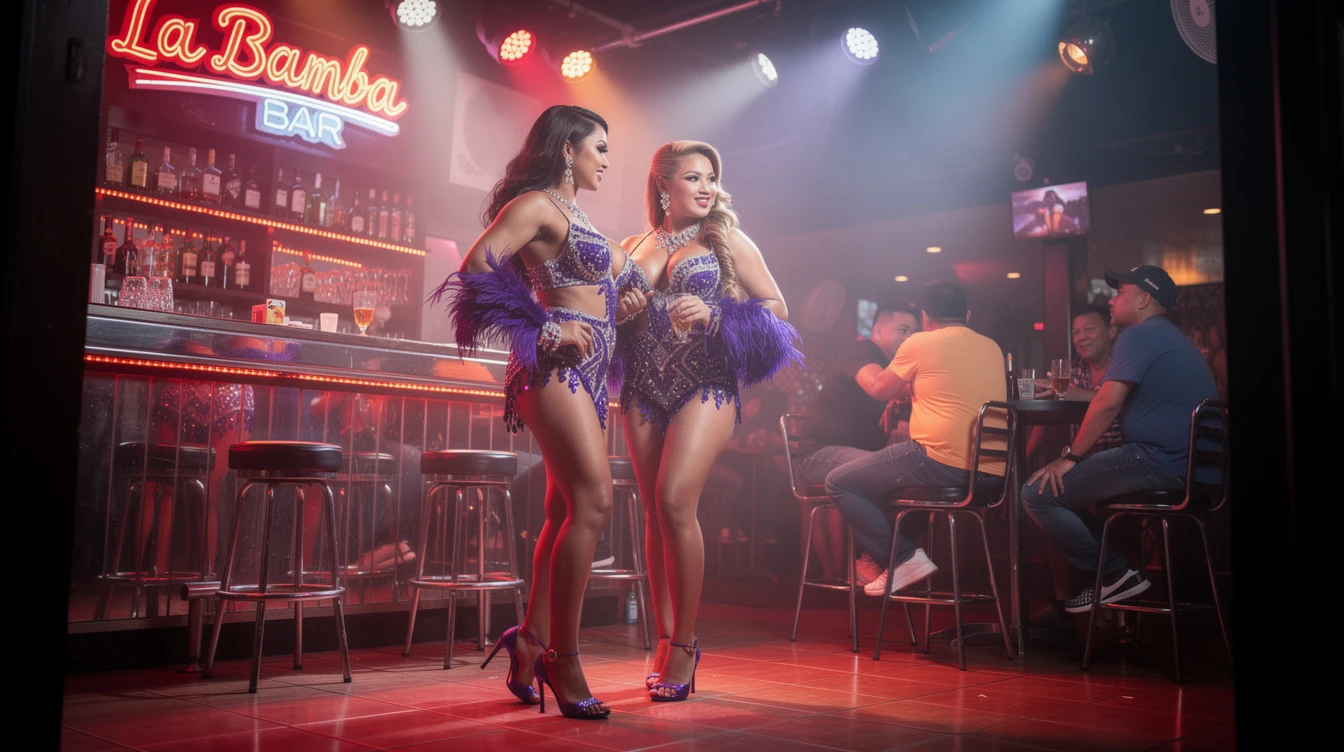
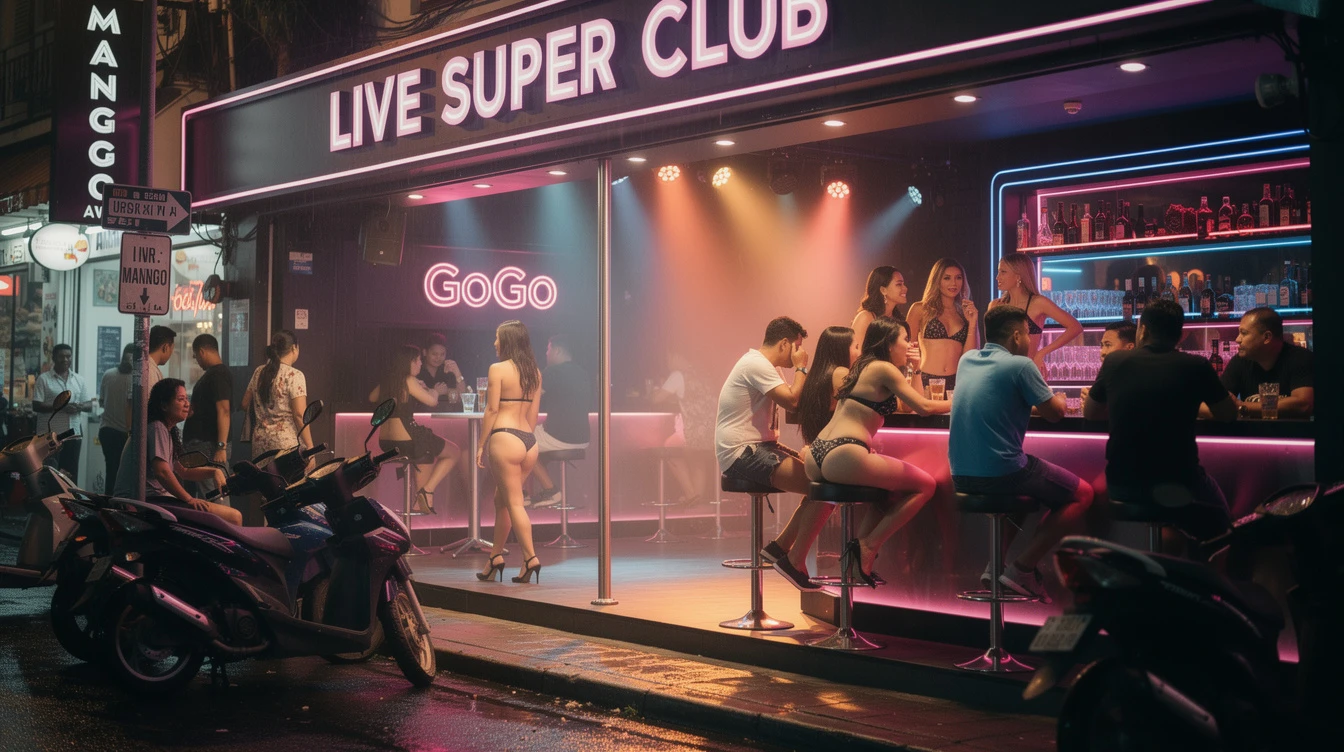
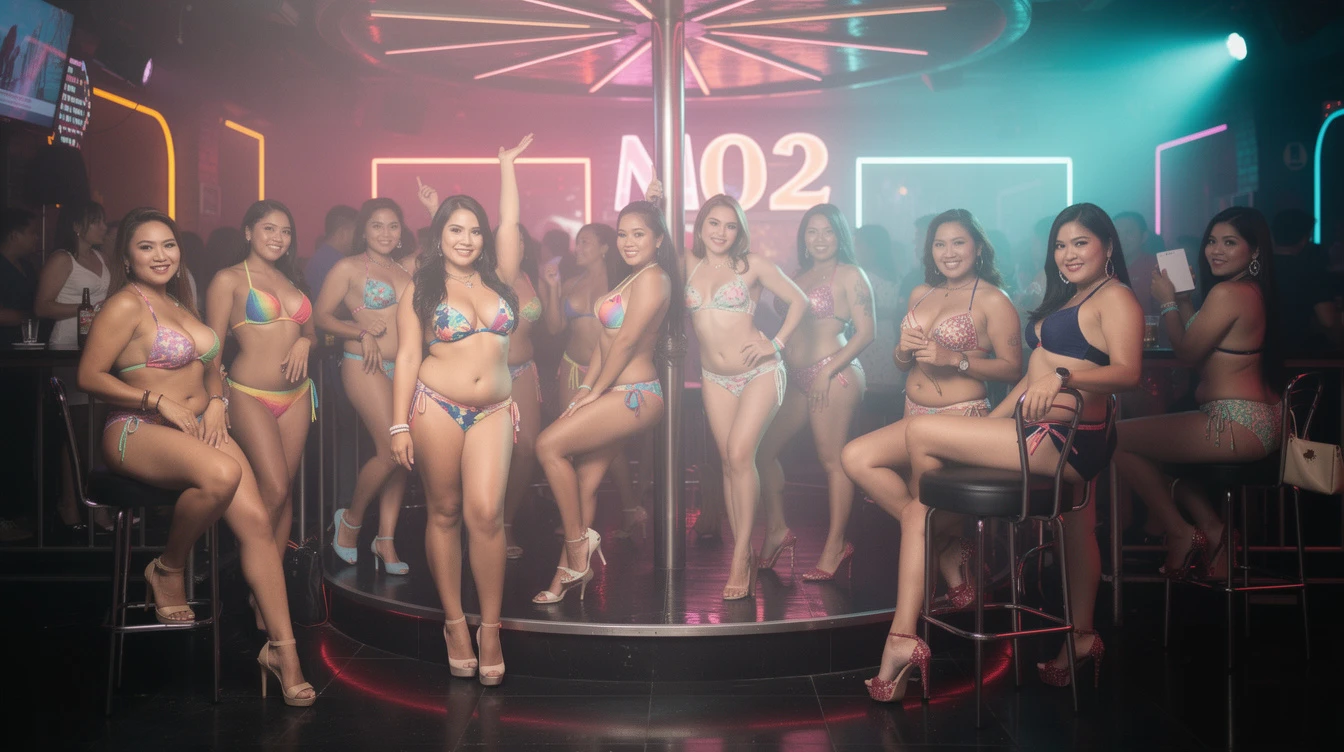
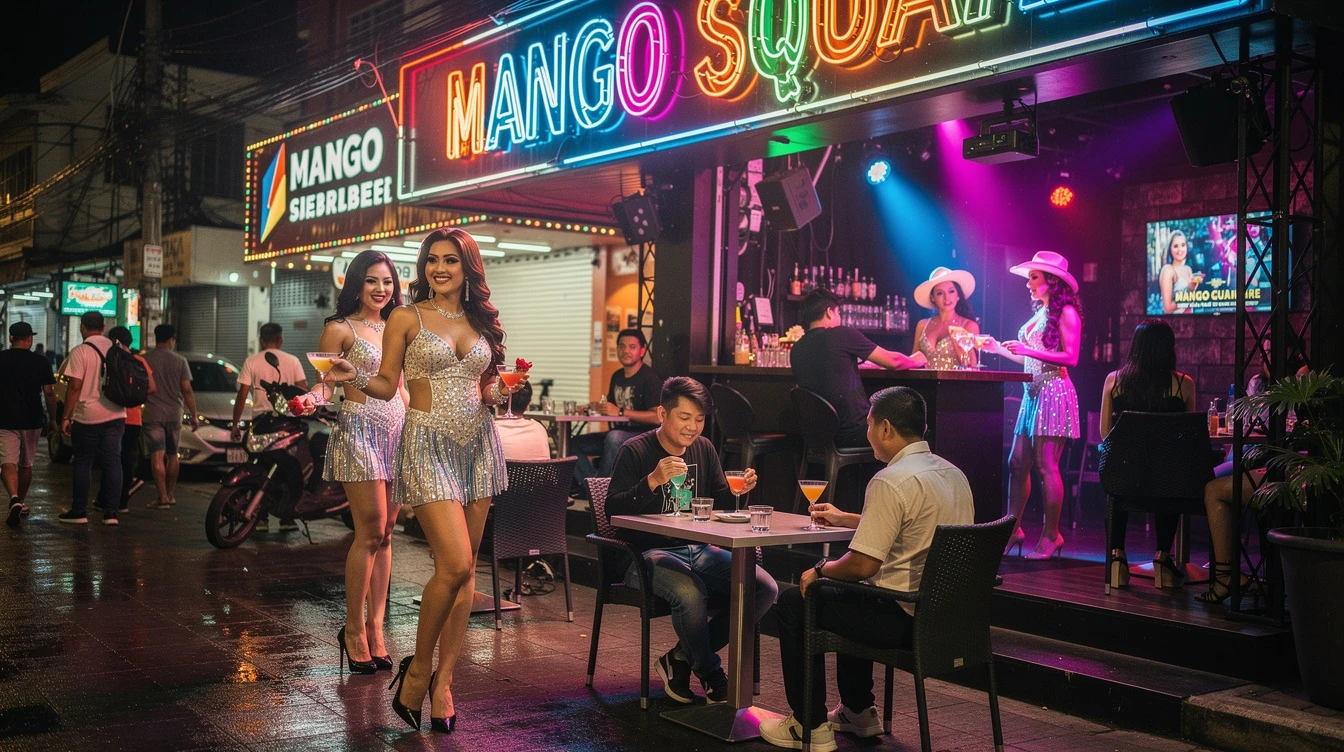
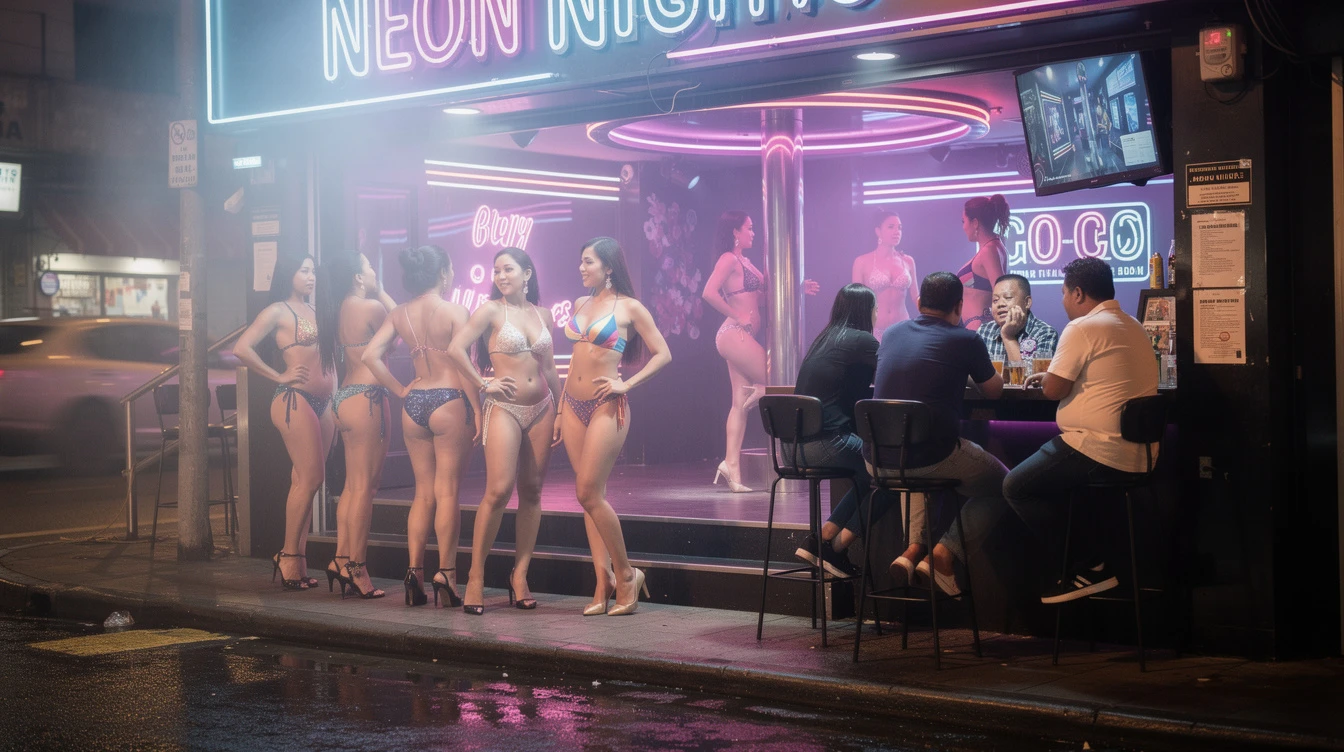
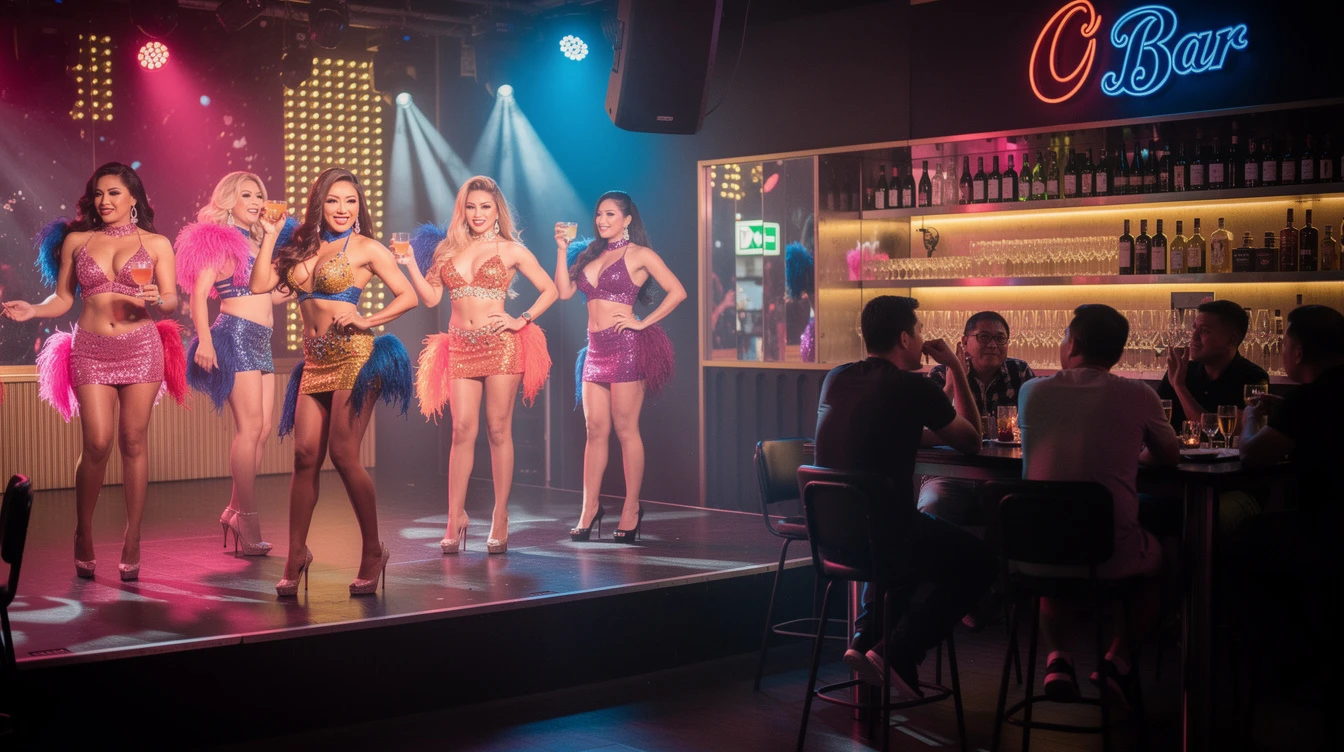
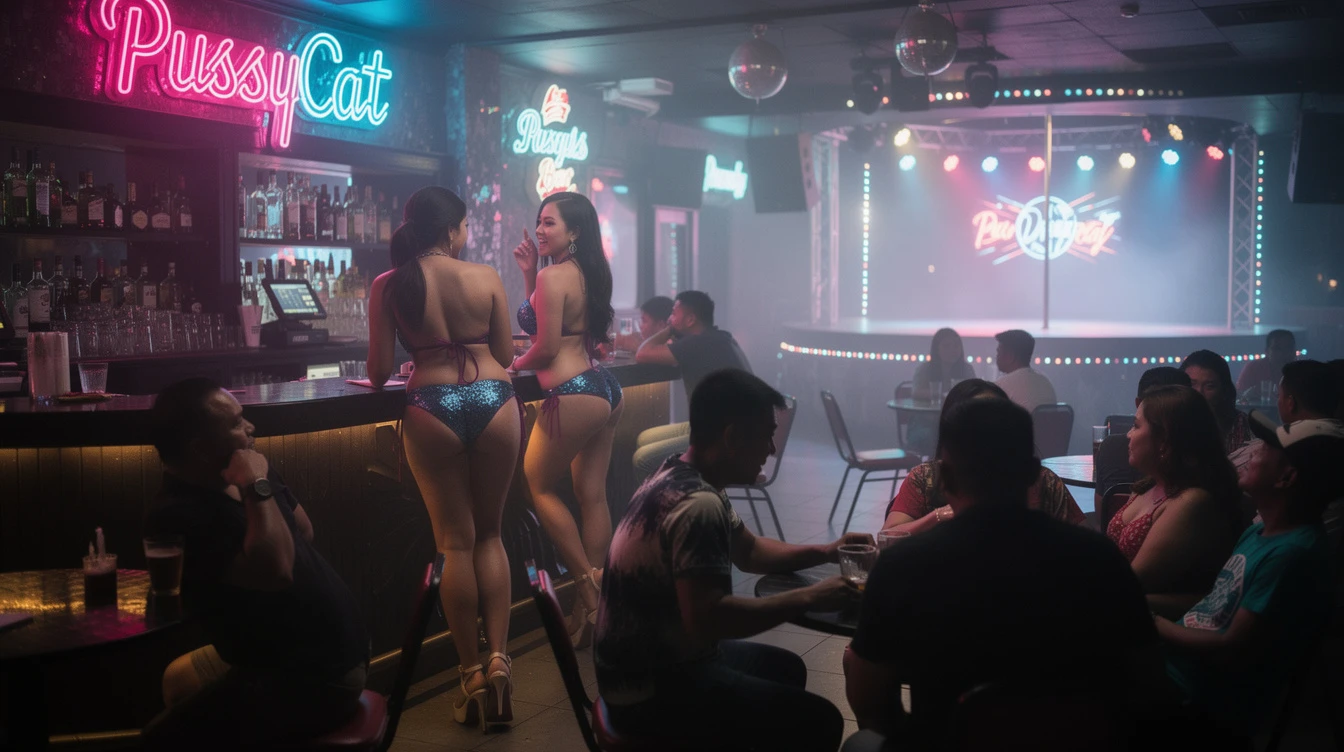
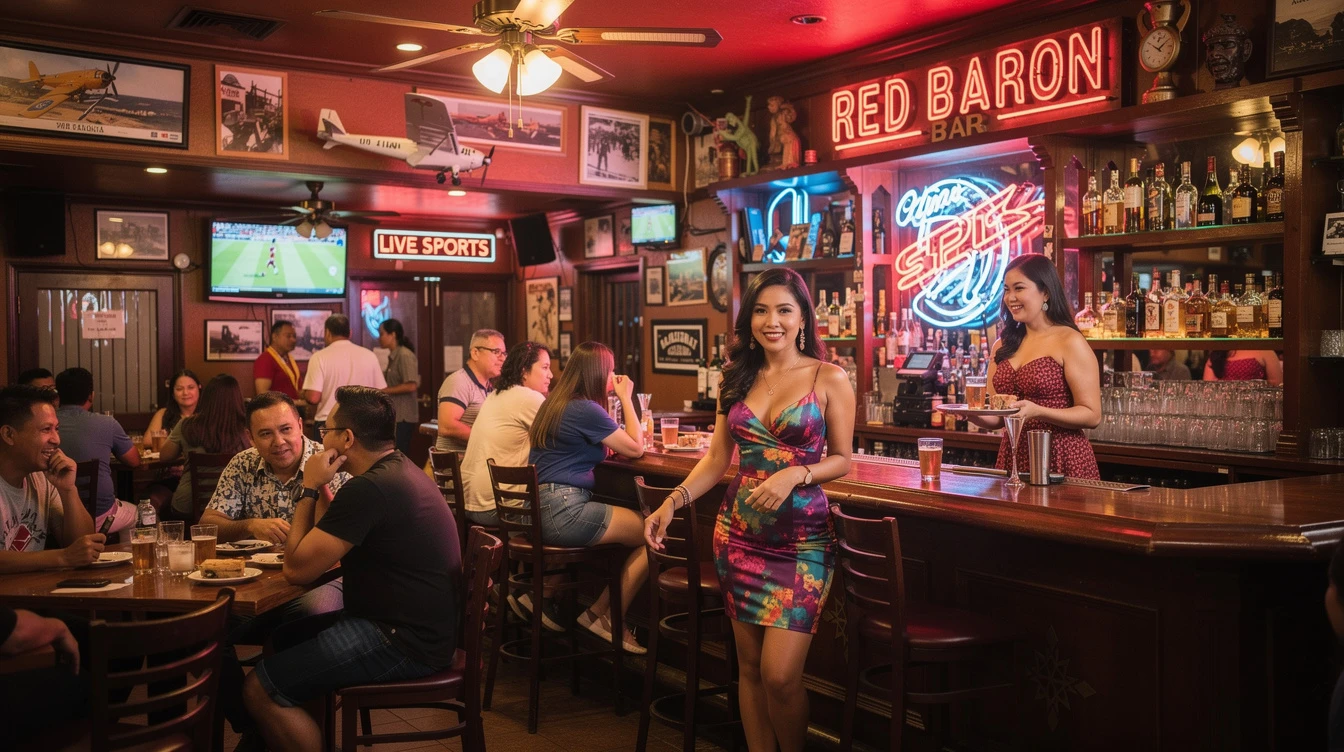
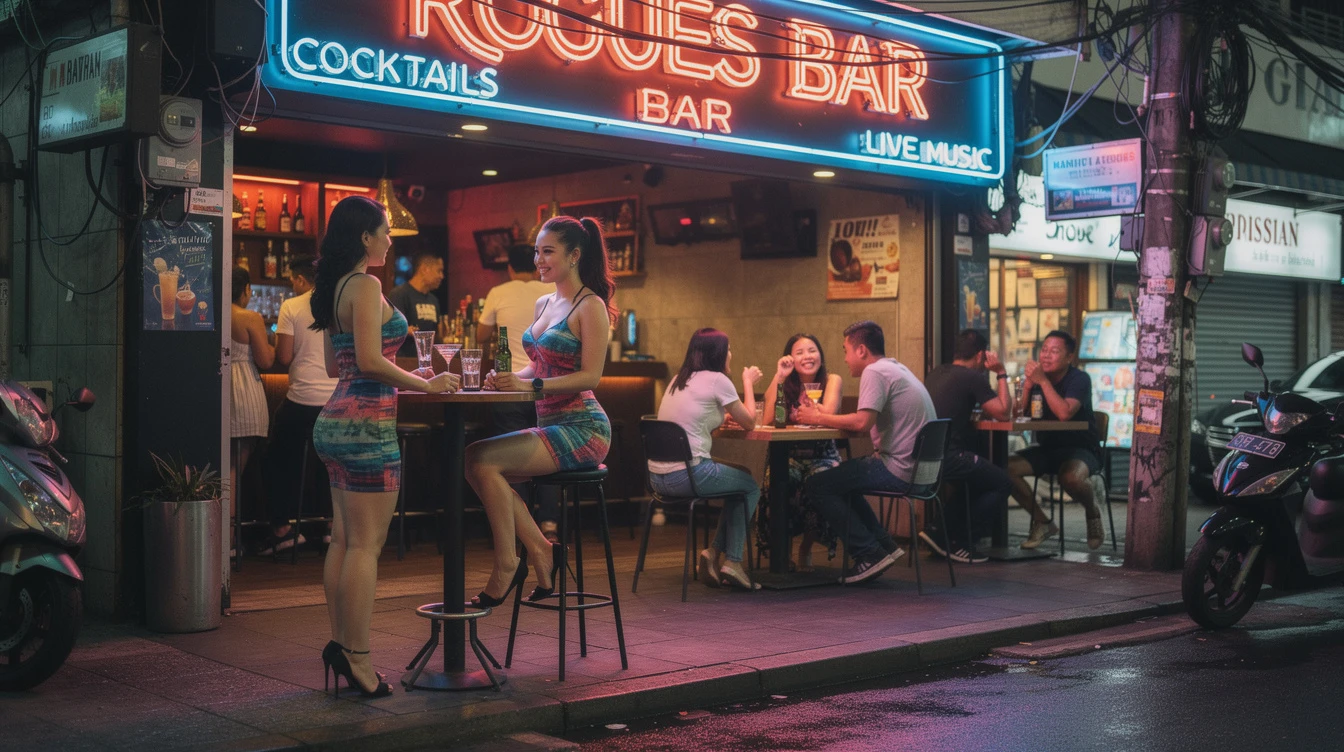
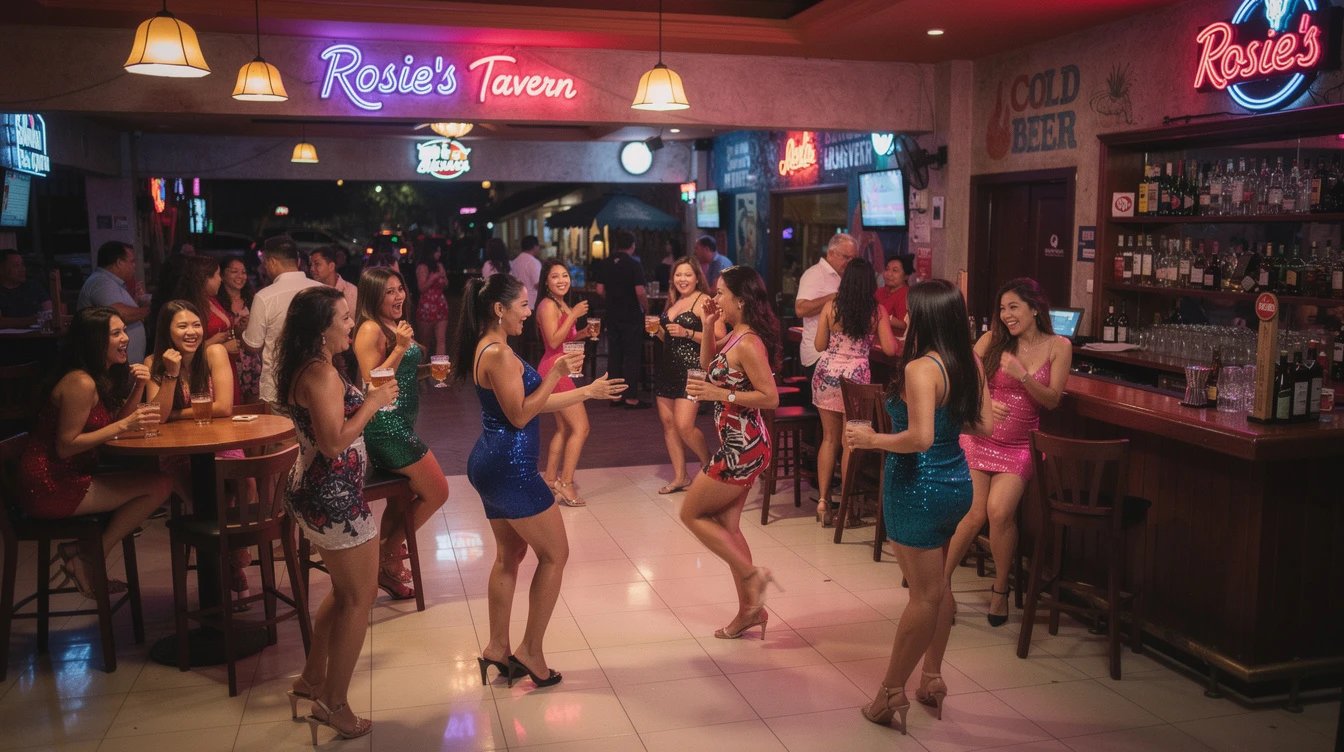
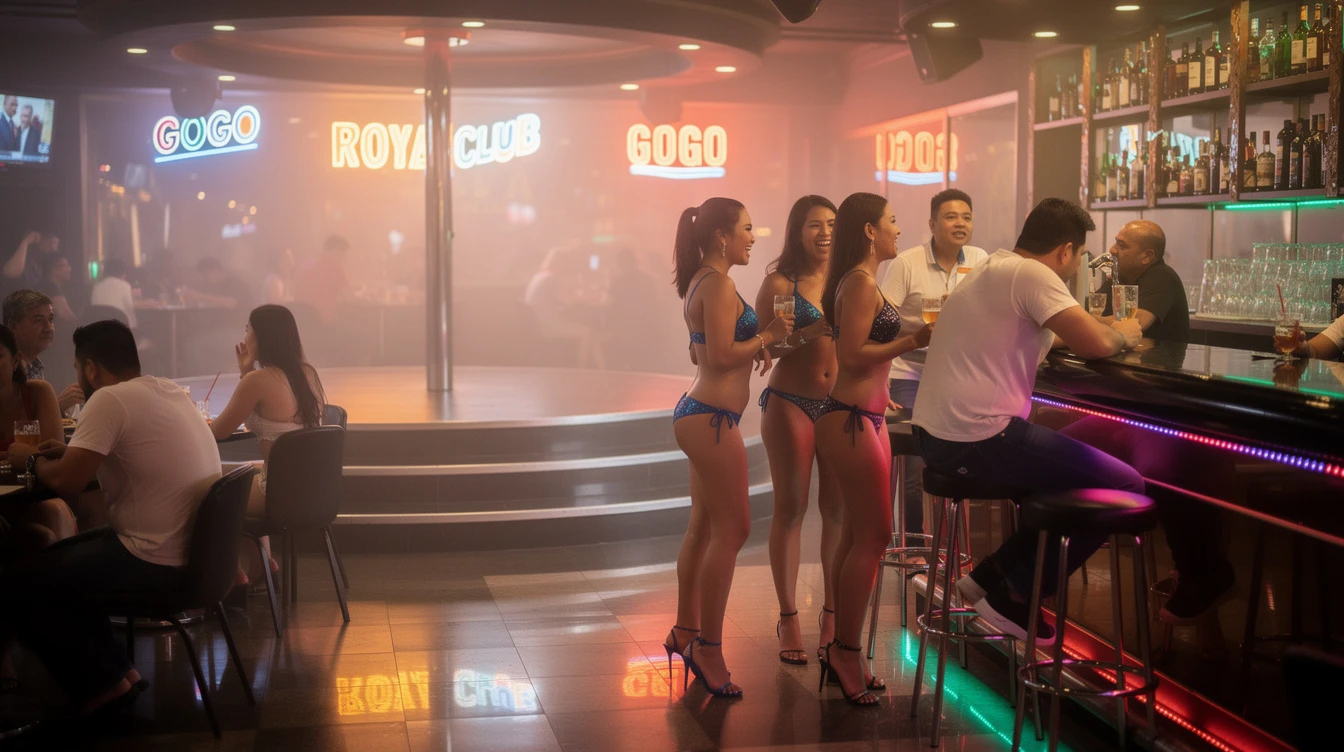
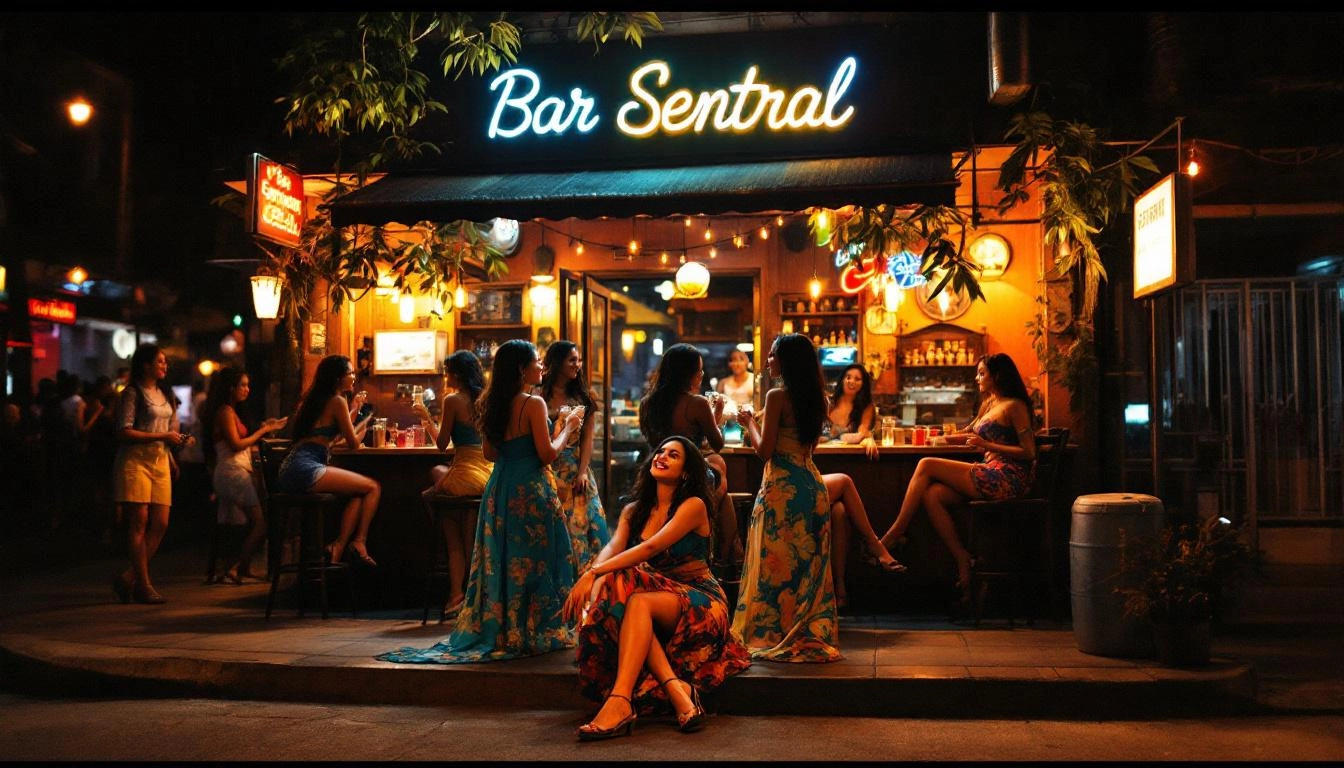
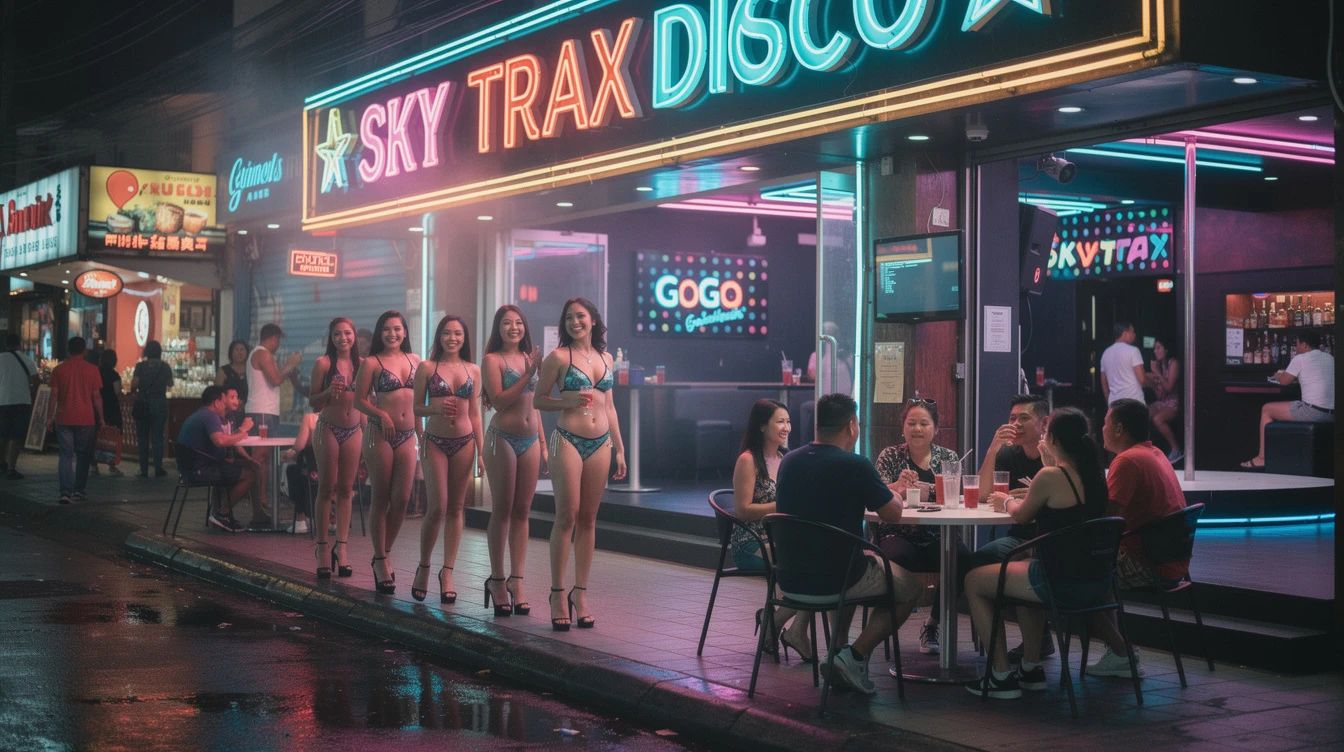
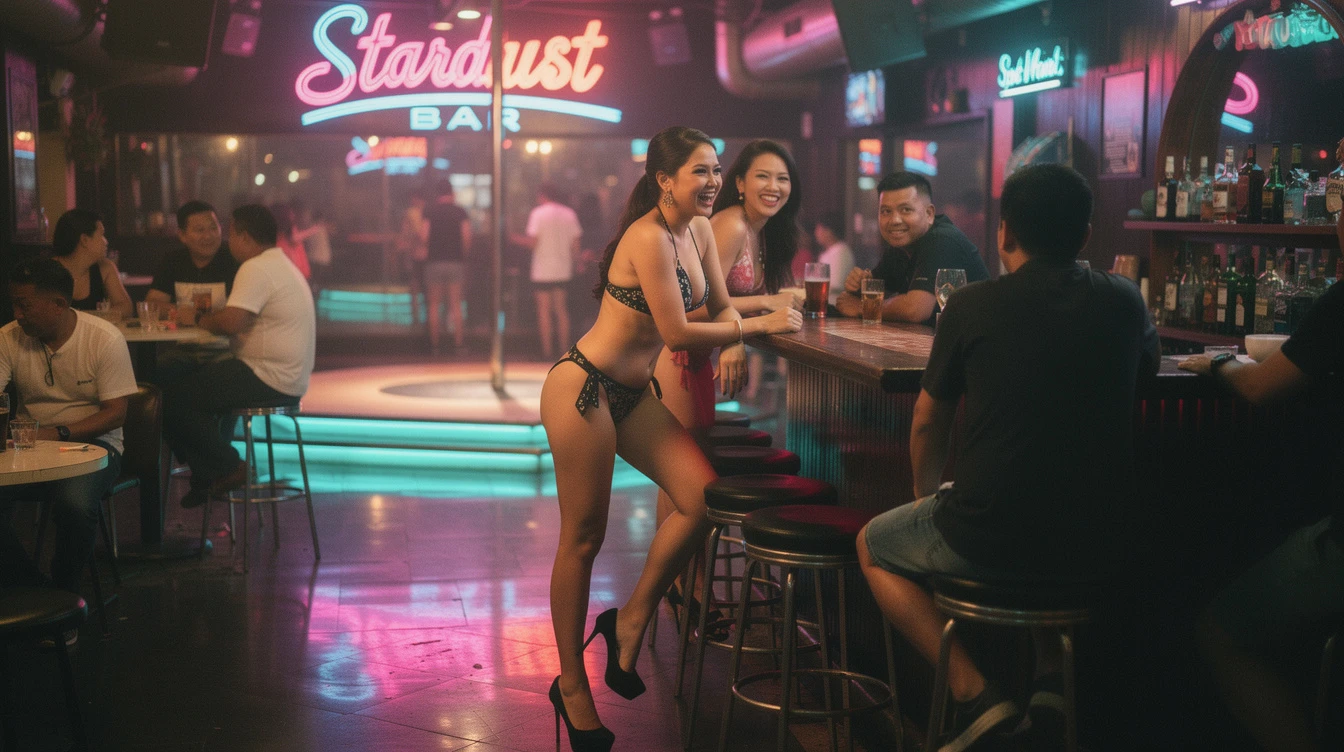
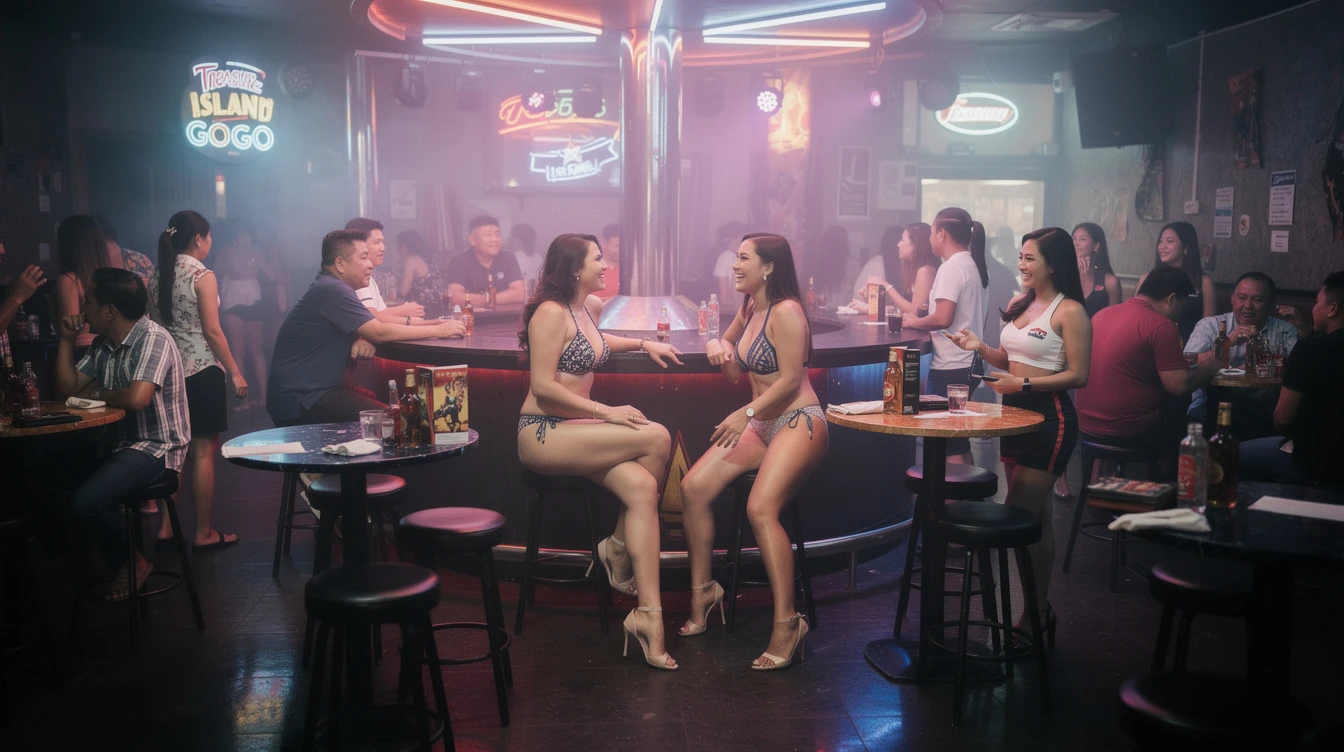
The Philippines runs on friendliness, not performance. Where Thailand has GoGo bars with stage shows and posted barfines, the Philippines has open-fronted bars where the women sit with you, talk, and leave with you if the chemistry is there — the transaction is present but wears a lighter disguise. English is everywhere, the interaction feels less scripted, and first-time visitors almost always comment on how natural it is compared to the rest of the region.
It's also the cheapest of the major Southeast Asian destinations. Angeles City in particular has prices that never caught up with the inflation seen in Bangkok or Pattaya. The trade-off is rougher infrastructure and more spread-out scenes — outside Angeles you work a little harder to find the action.
The women
Filipinas are the draw, and the warmth reads as genuine rather than performed. They speak English from school age, which removes the language barrier that shapes encounters everywhere else in the region — conversations are real conversations, not gestures and a calculator. Most women in the bar scene come in from the provinces, the Visayas and Mindanao especially, to Angeles, Manila and Cebu, sending money home to large families.
The Catholic backdrop matters. The Philippines is the most religious country in the region, and many women carry a complicated relationship with the work — it is common to meet bar girls who are devout and frame what they do as family duty. The flip side of the friendliness is that 'girlfriend experience' relationships blur fast, and long-distance entanglements are a well-known hazard for repeat visitors.
Legal landscape
Prostitution is illegal in the Philippines and, unlike Thailand, the tolerance is patchier. Bars operate as 'entertainment' venues and the women are 'guest relations officers' on paper. Angeles City runs openly because the local economy depends on it, but Manila has seen periodic crackdowns — Ermita was largely cleared decades ago and Makati raids still happen. Enforcement is inconsistent and usually about local politics rather than morality.
Drugs are the hard line. The Philippines has some of the harshest drug laws in Asia, and the Duterte-era 'war on drugs' left a culture of zero tolerance that has not fully softened. Possession of even small amounts carries severe penalties, and foreigners get no leniency. There is no cannabis exception here — treat the country as a hard no on anything illegal.
Where to go
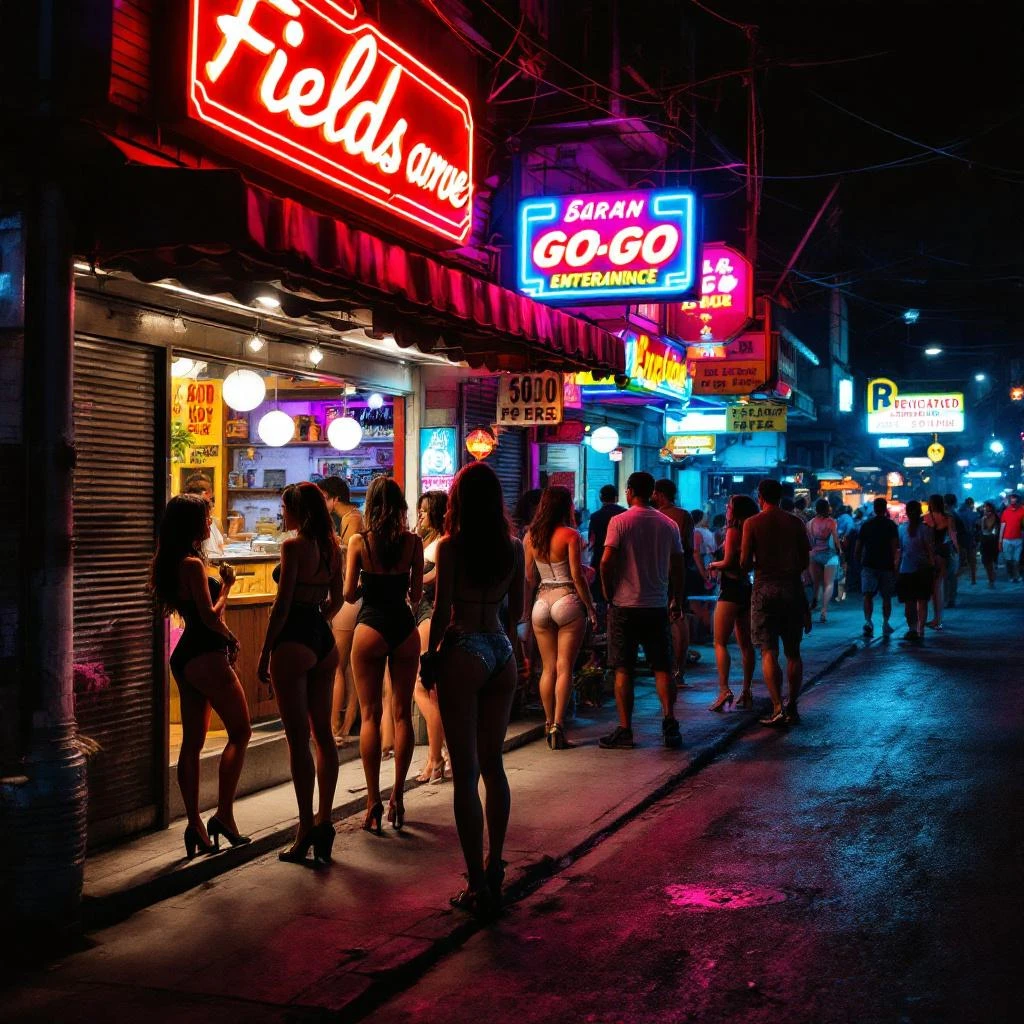
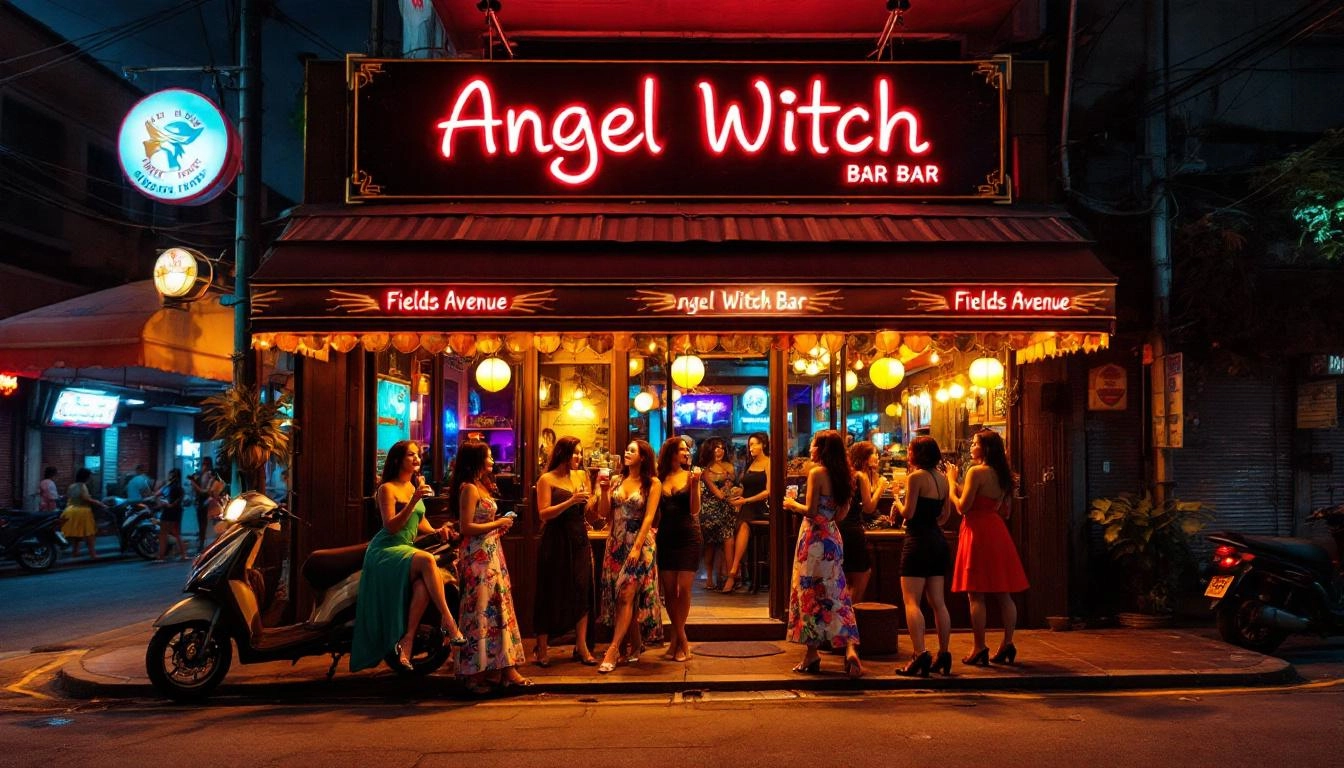
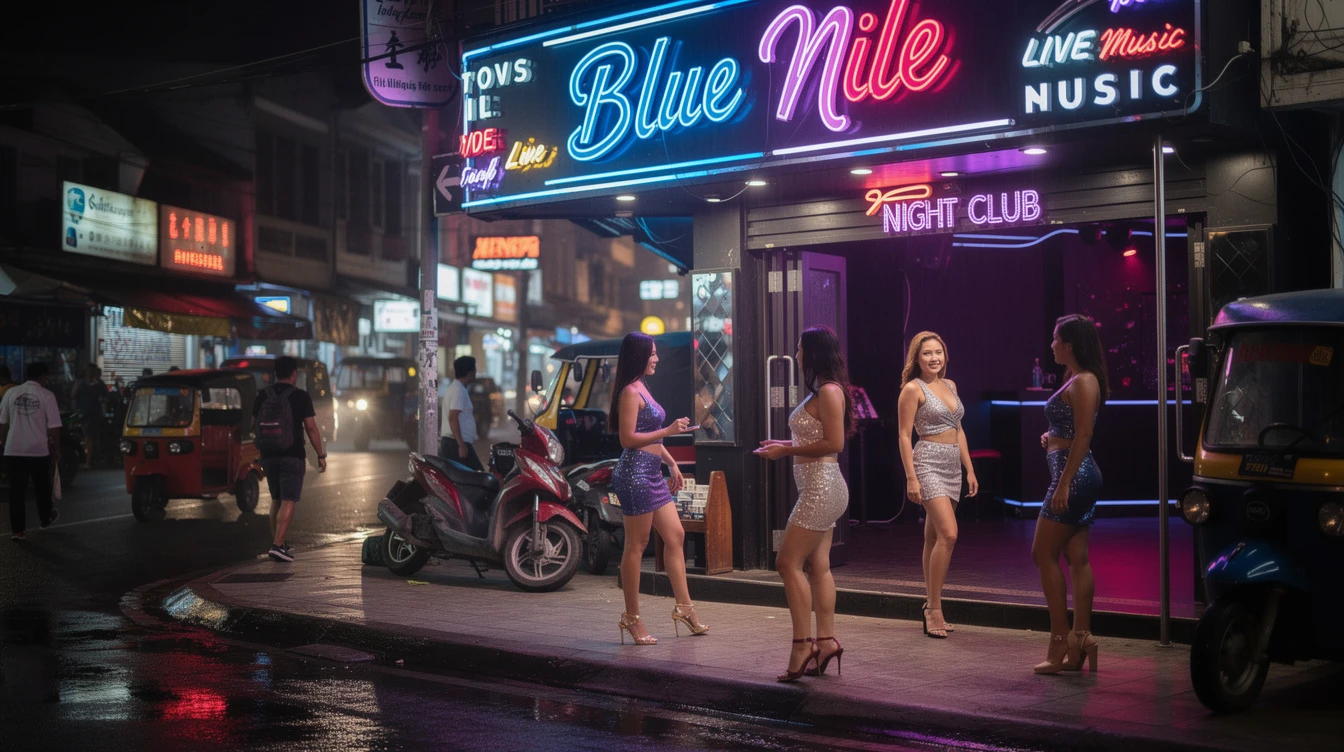
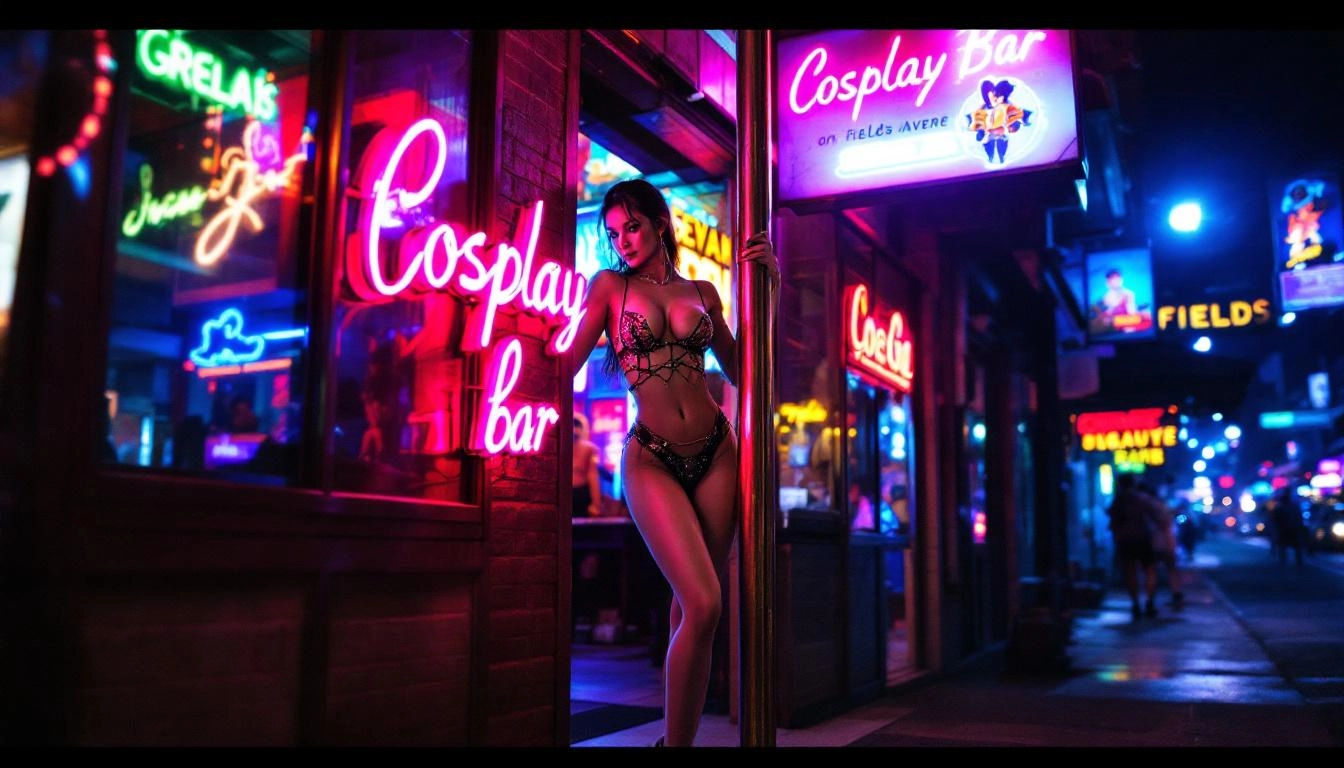
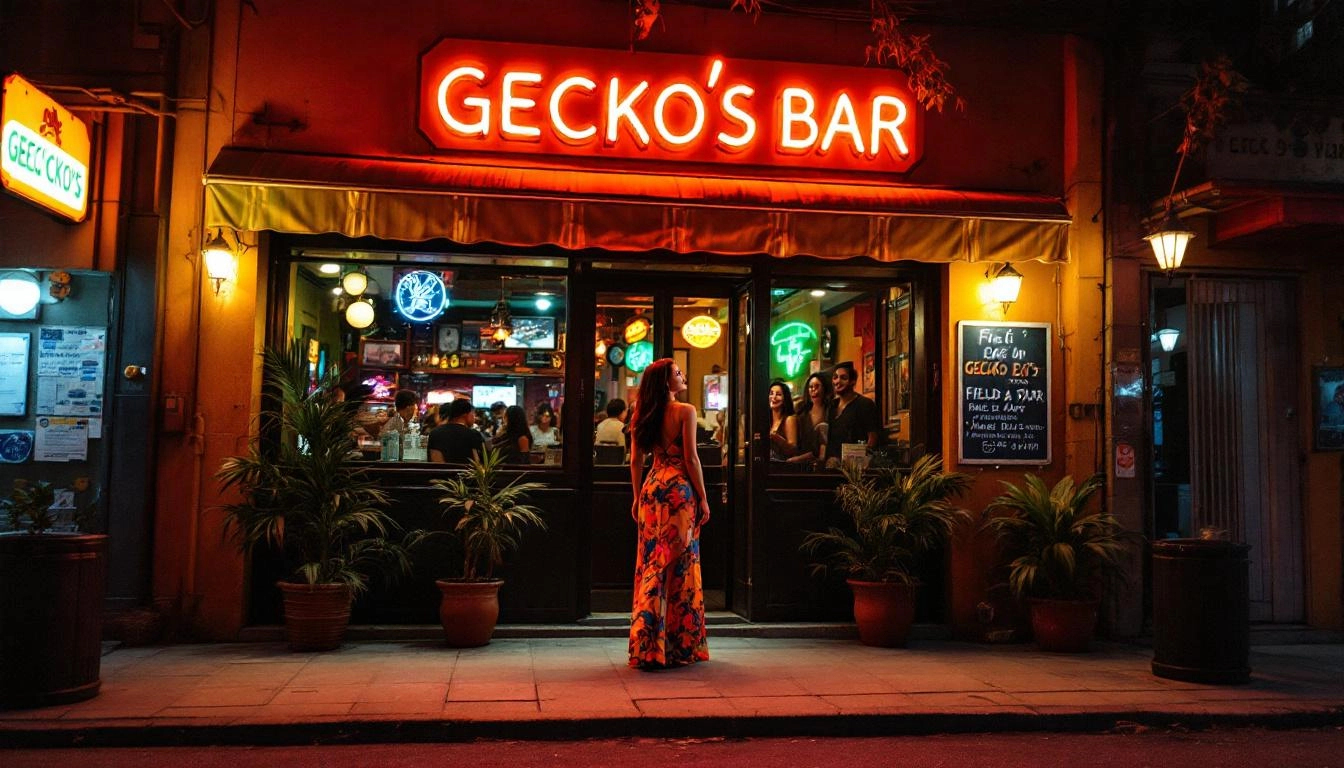
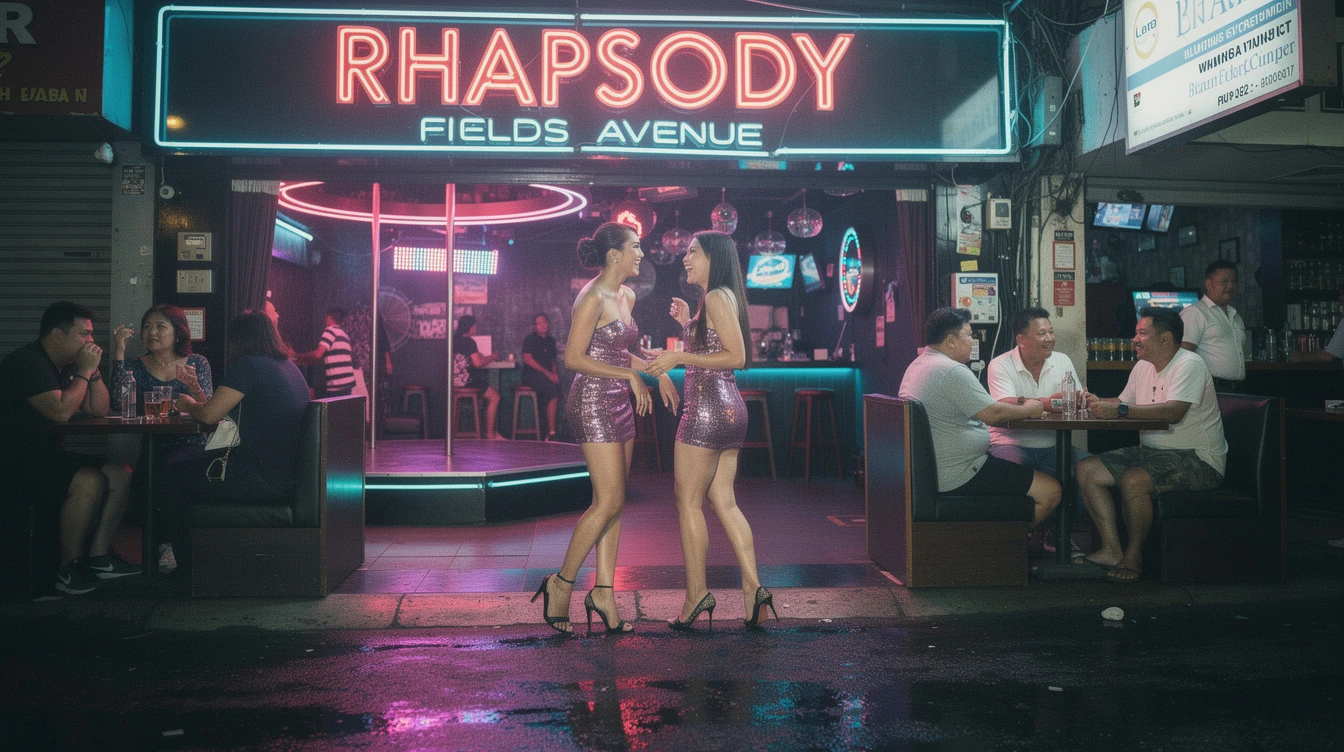
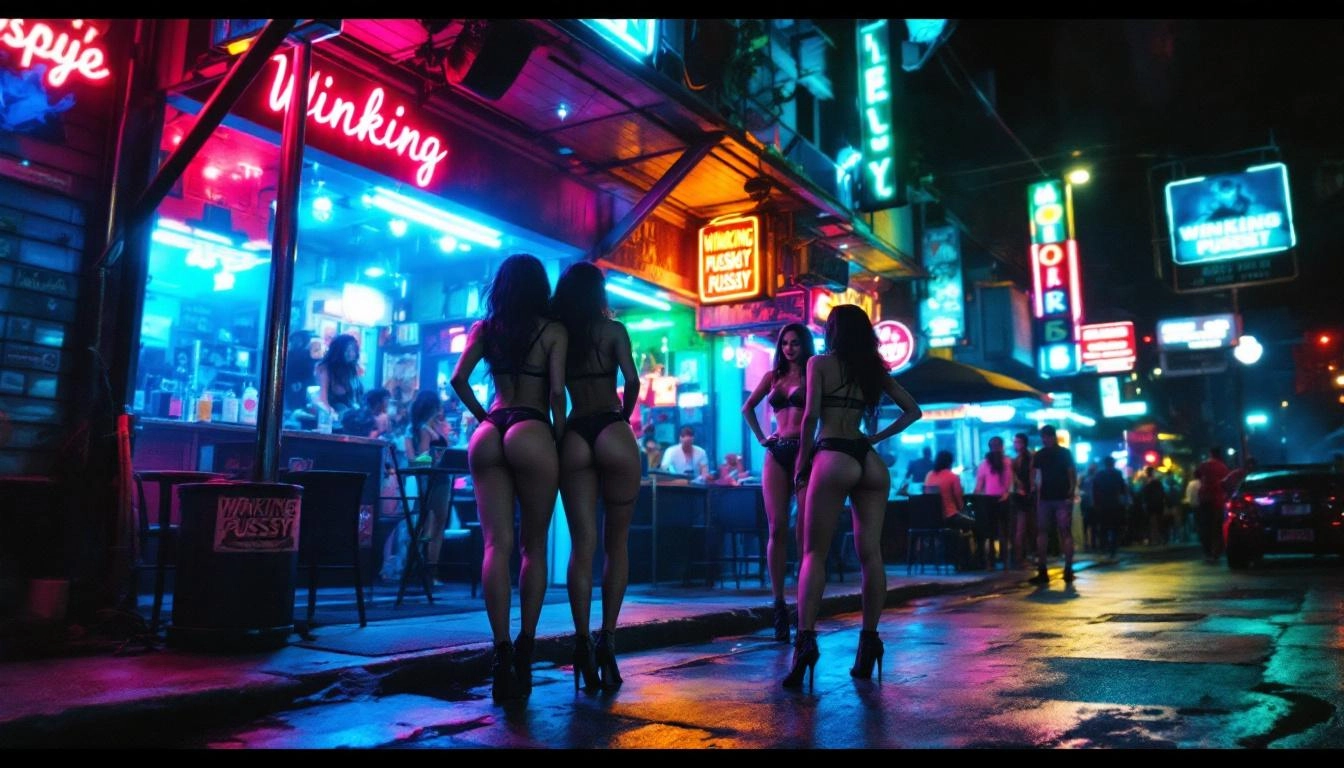
Angeles City is the centre of gravity — 90 minutes north of Manila near the old Clark air base. Fields Avenue is the main strip: hundreds of bars, cheap hotels, a settled expat community, and the best value per dollar in Southeast Asia. It is smaller and rawer than Bangkok but built entirely around the scene.
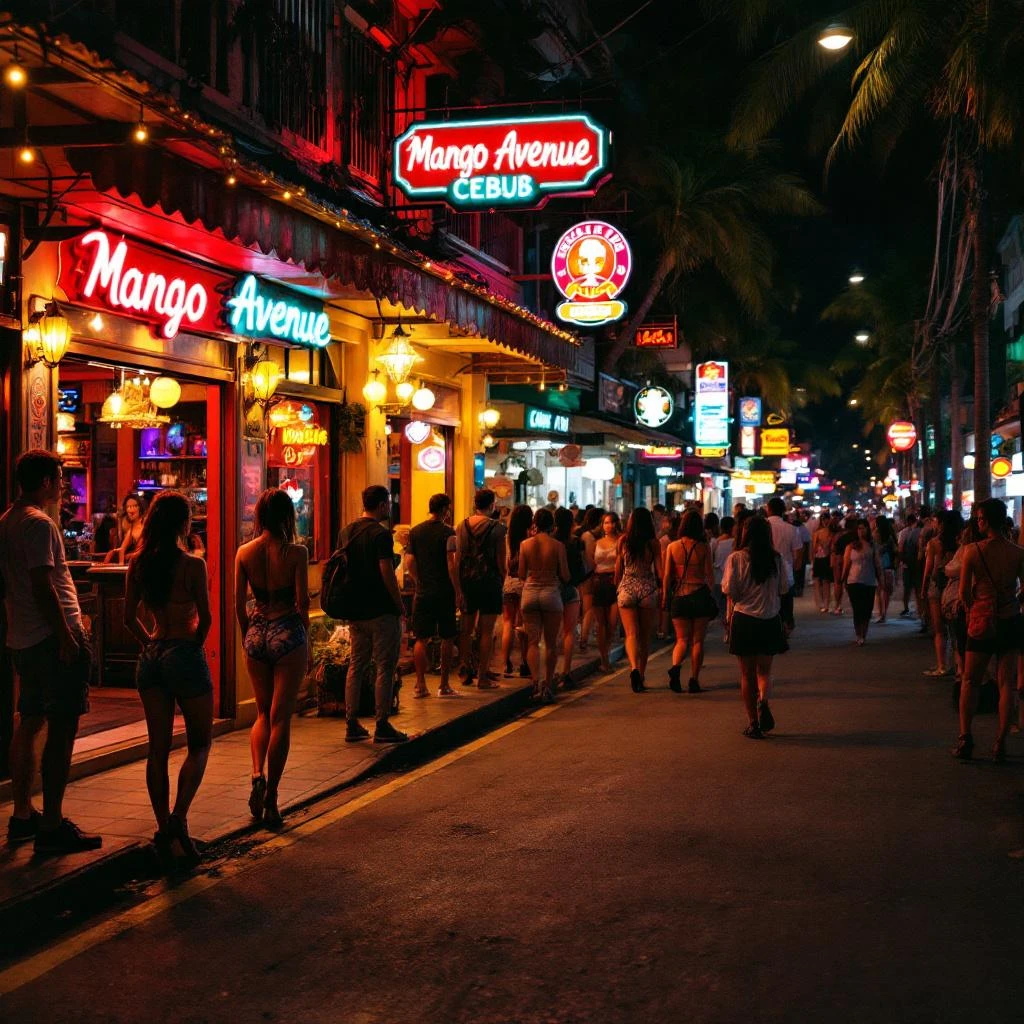
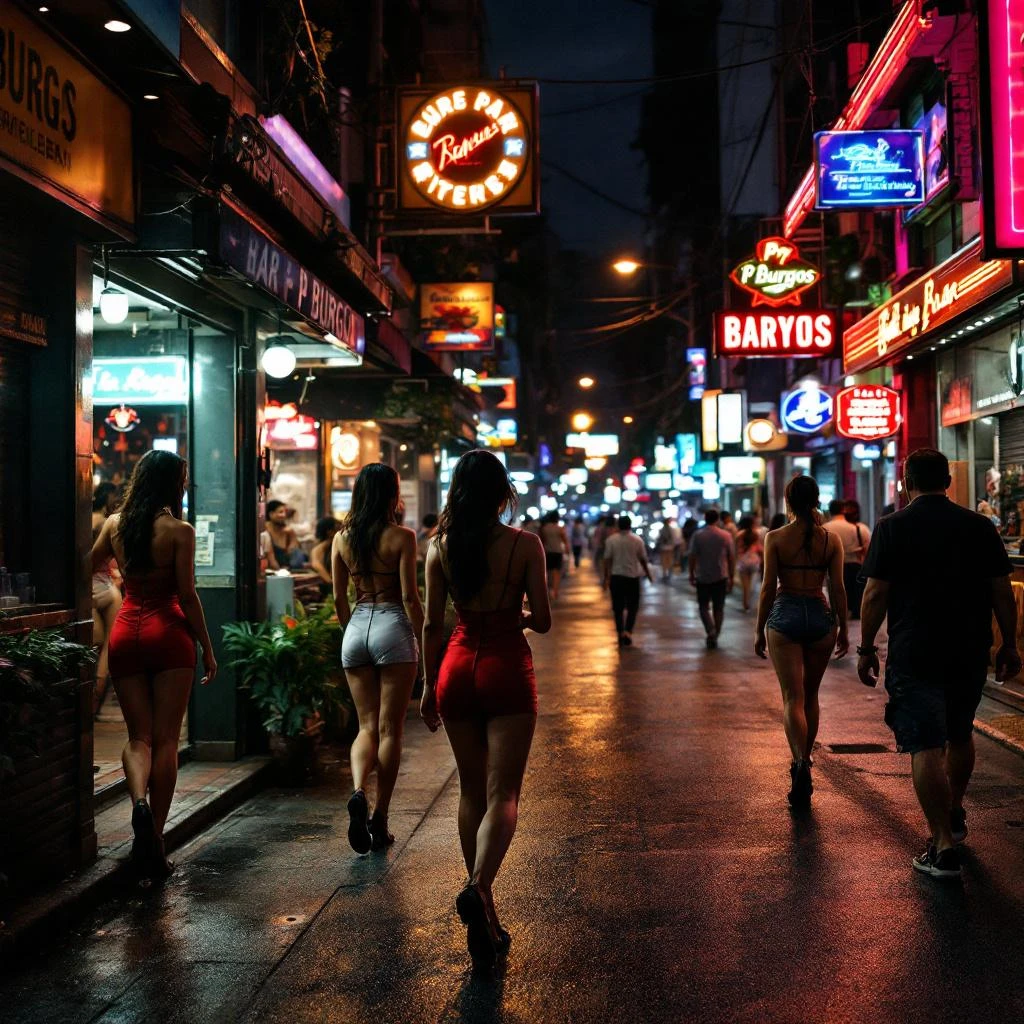
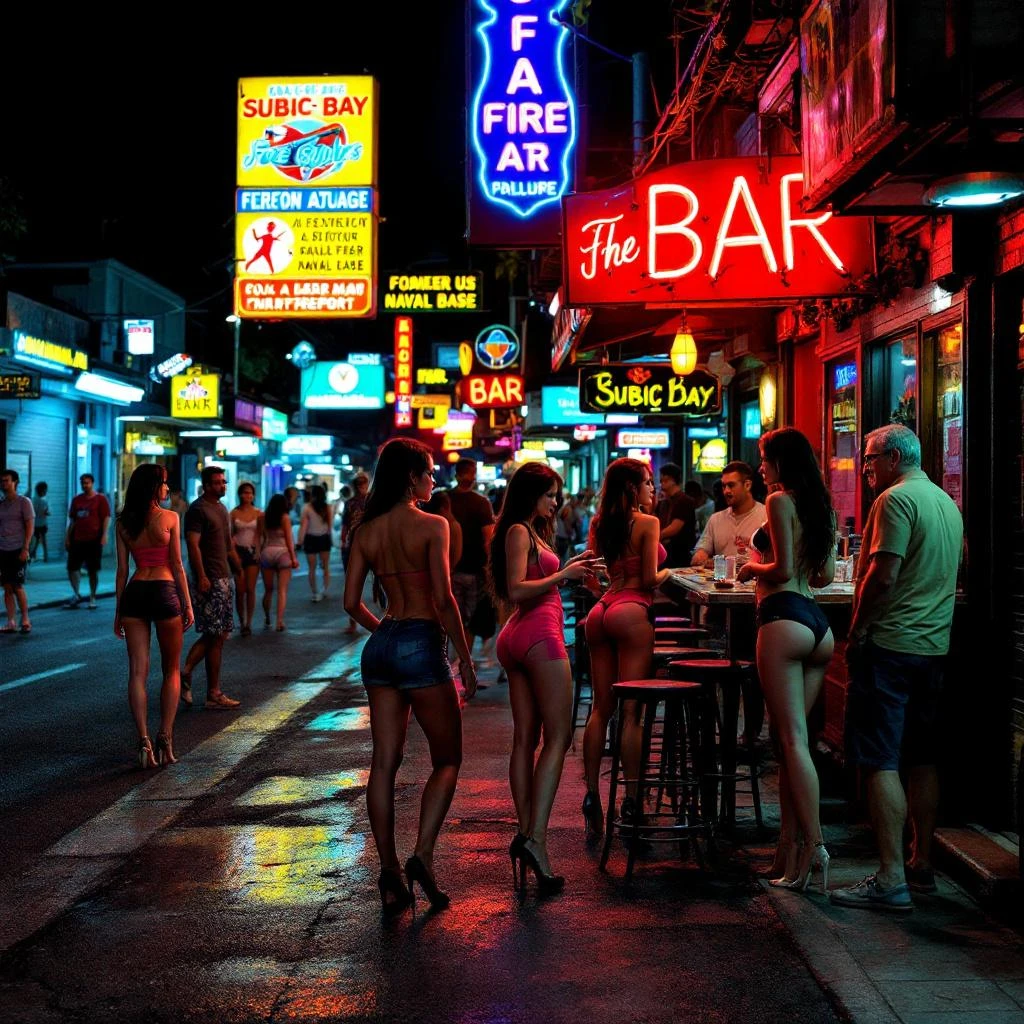
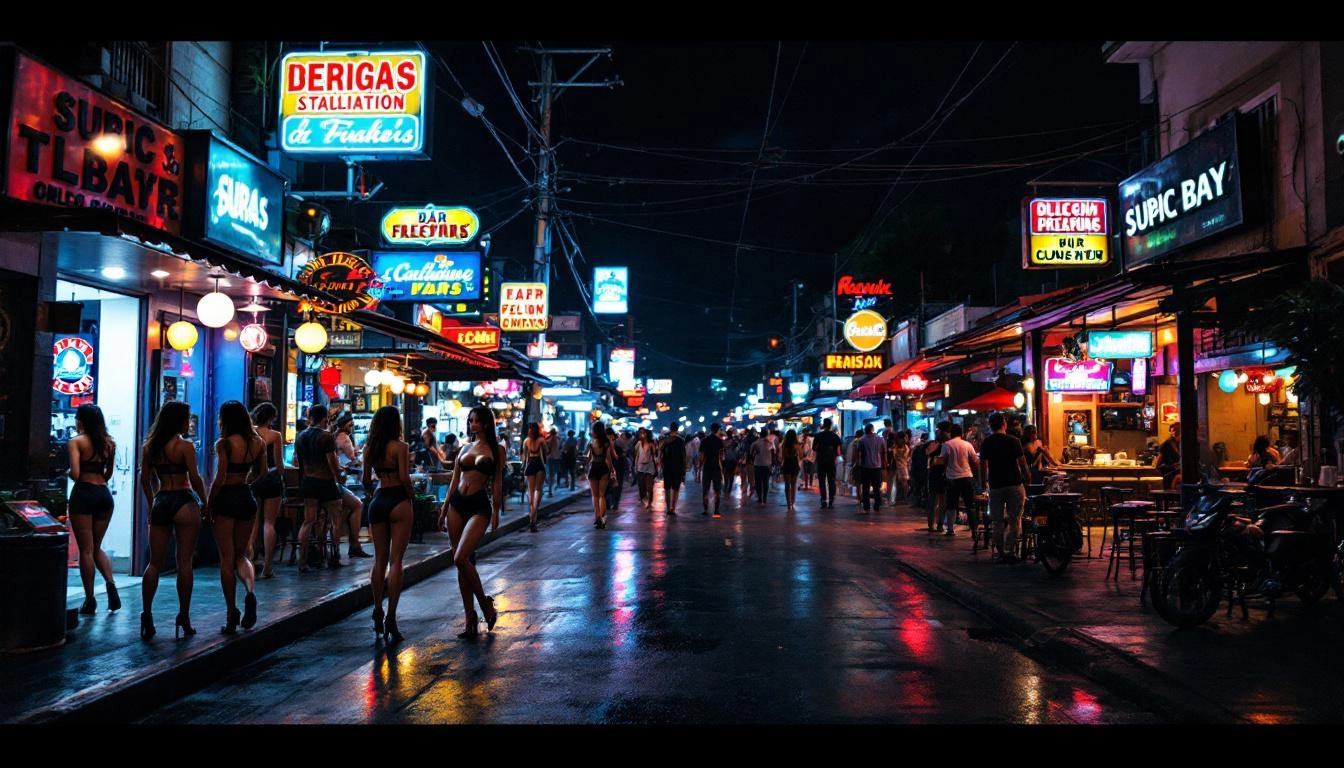
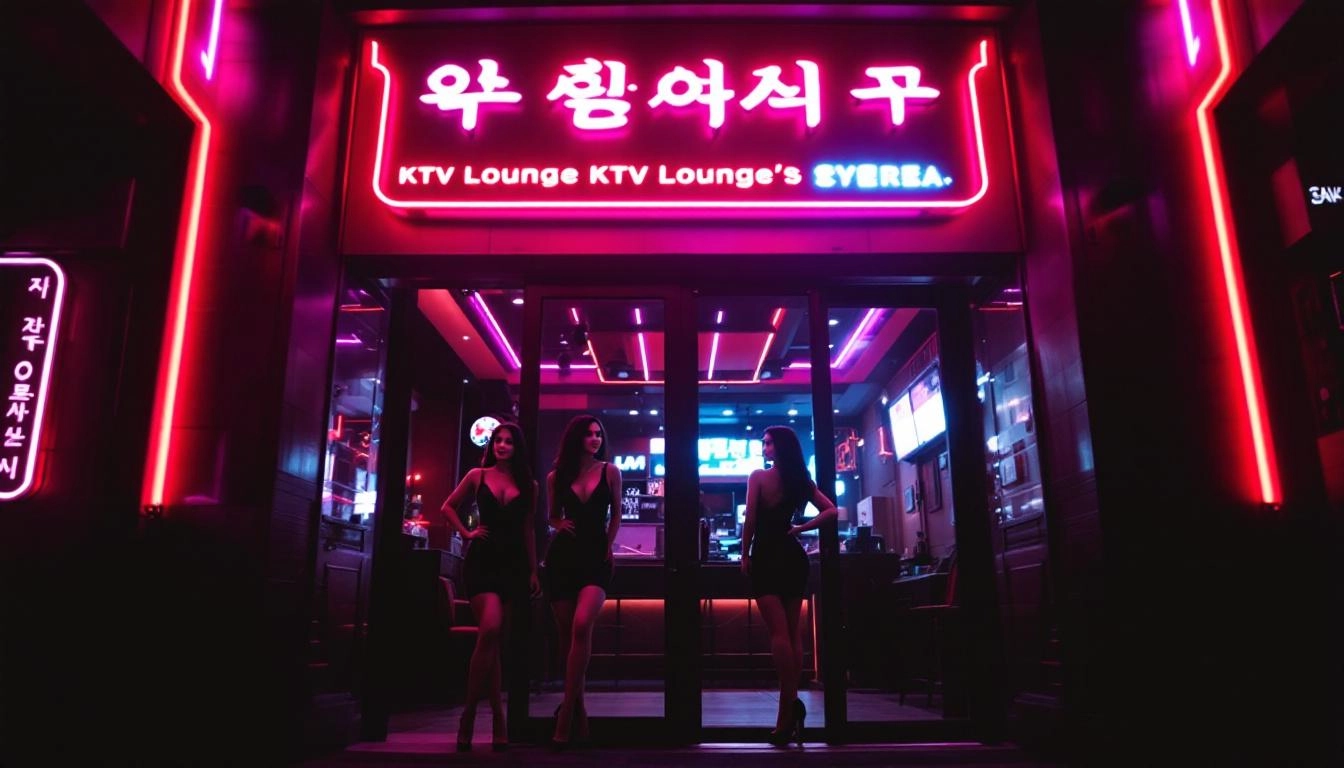
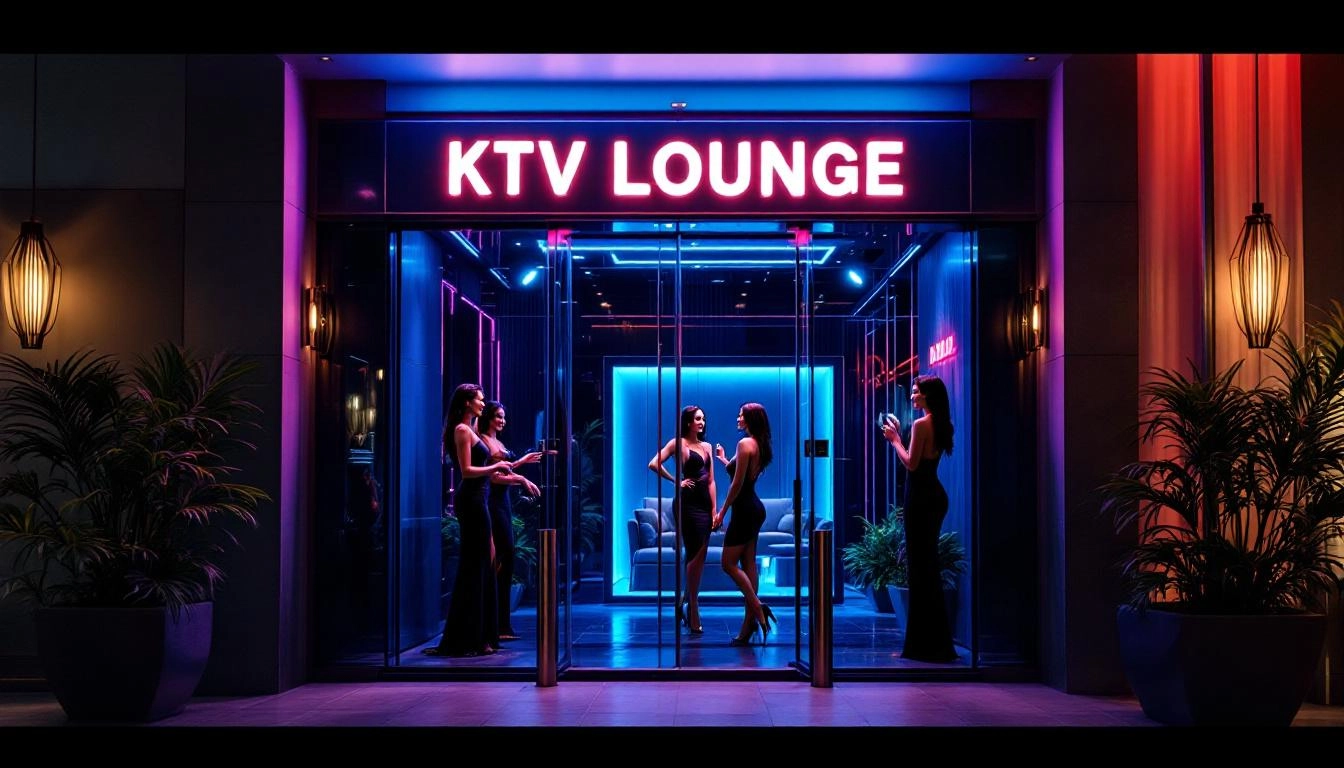
Manila's nightlife is spread thin. The old Ermita and Malate strips have faded; Makati, the business district, holds the upmarket bars and KTVs aimed at local and visiting Asian businessmen. Cebu City, south in the Visayas, has a real and growing scene worth the flight if you are heading that way. Subic Bay — another former US base, on the coast northwest of Manila — keeps a smaller, quieter strip that some prefer to Angeles for being less hectic.
Practical info
Most Western passports get 30 days visa-free on arrival, extendable in-country. The currency is the peso (PHP), around 56 to the US dollar; cash is king and ATMs cap withdrawals low — often 10,000 PHP — with fees, so plan for multiple pulls. Peak season is the dry stretch from November to April; the June–October wet season brings typhoons that can disrupt domestic flights to Cebu and the islands.
English is near-universal, which makes the Philippines the easiest country in the region to navigate. The real risks are petty: inflated bar tabs, 'ladydrink' bills that add up fast, and the occasional bar that pads the total — check it line by line. Manila traffic is brutal, so budget far more time than the distance suggests. Tourist police and the 911 emergency line both operate in English.