Korea
Contents
Cities 3
Map
Popular red light districts in Korea
See all →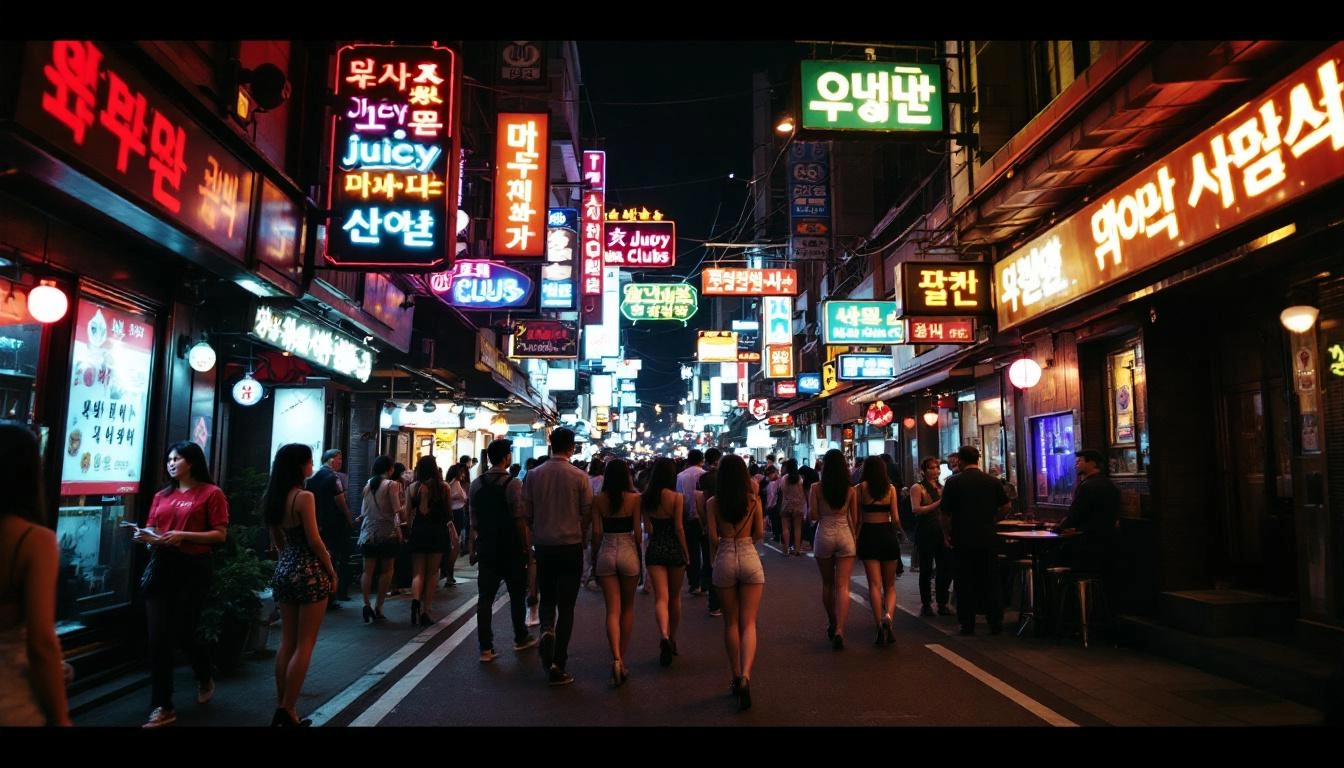
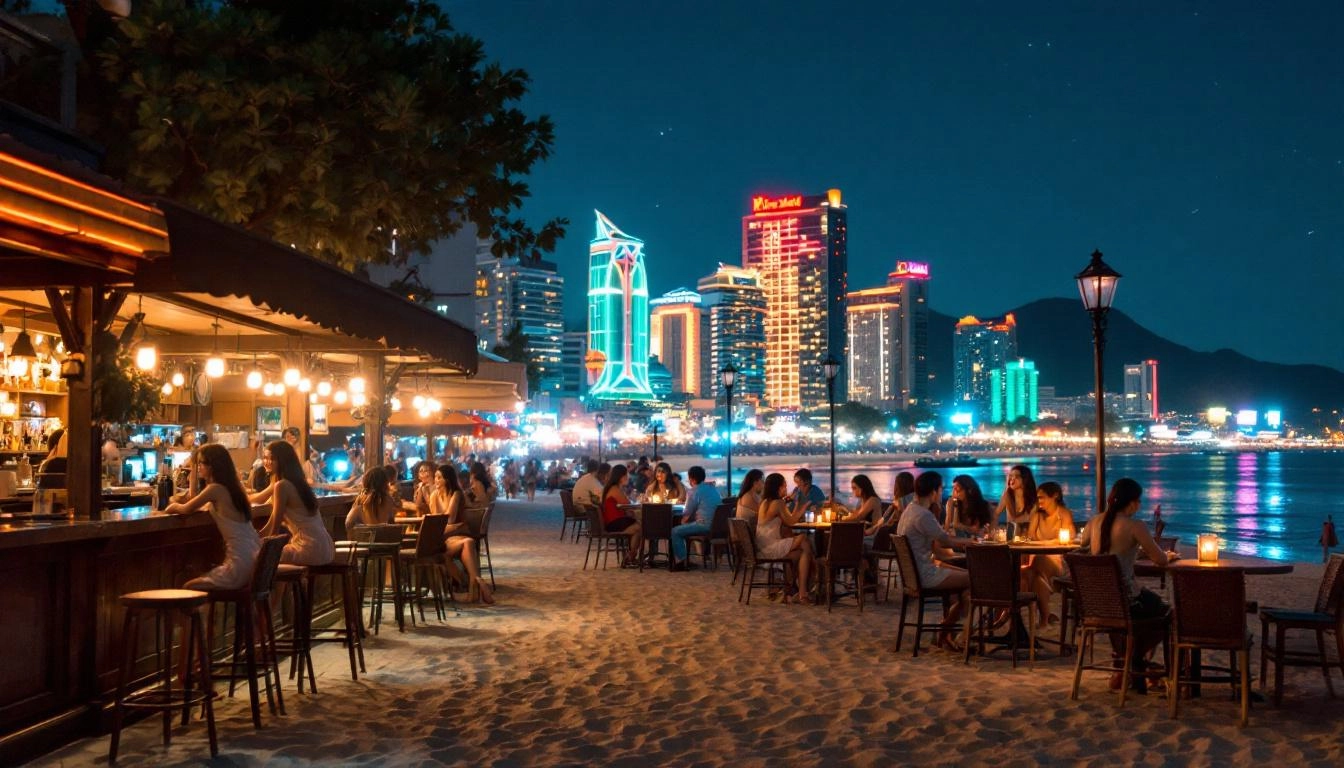
All Venues
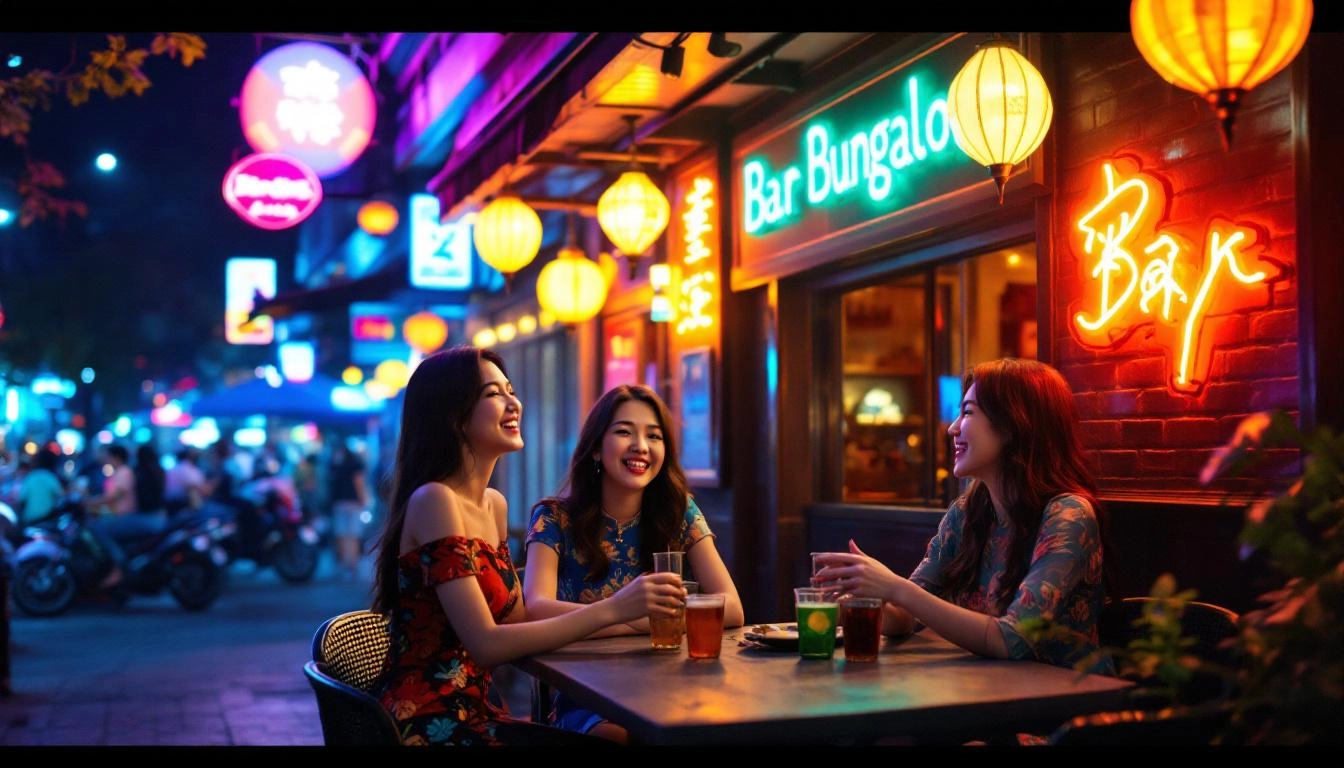
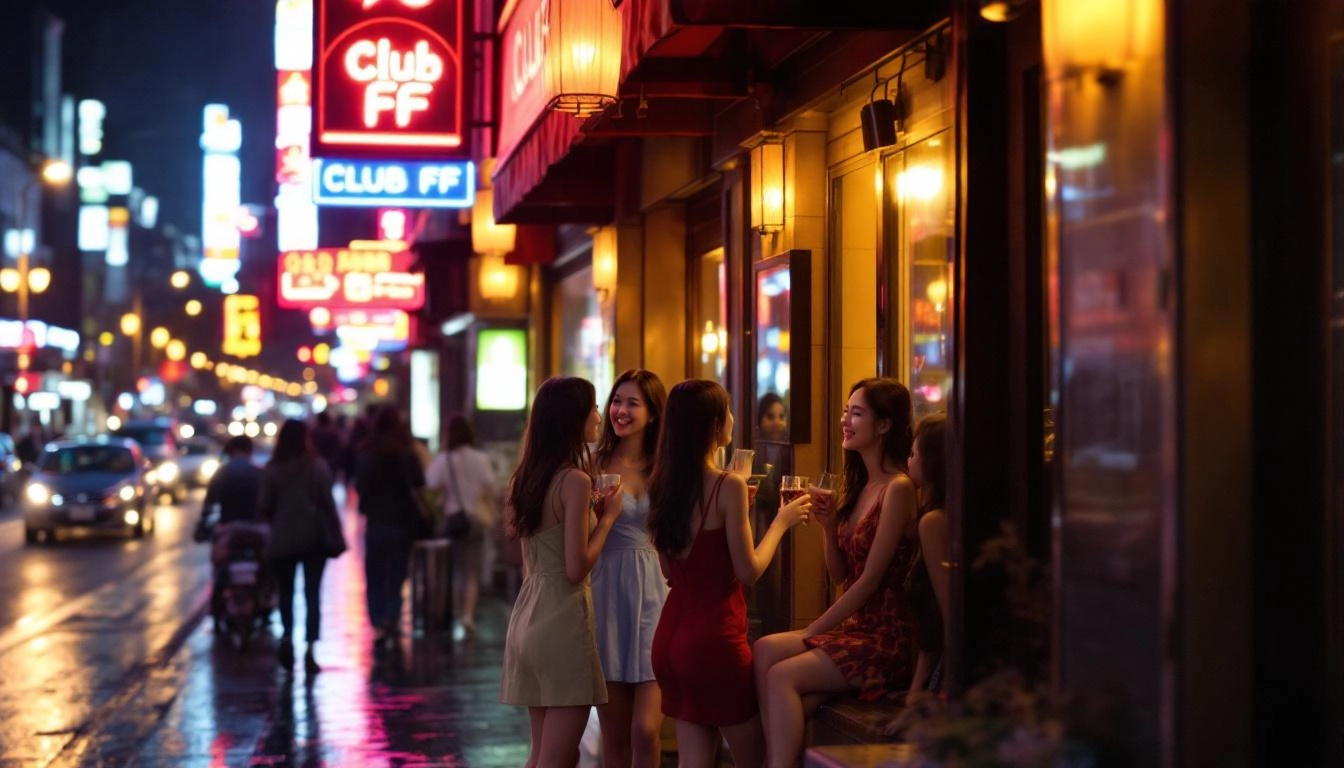
Overview
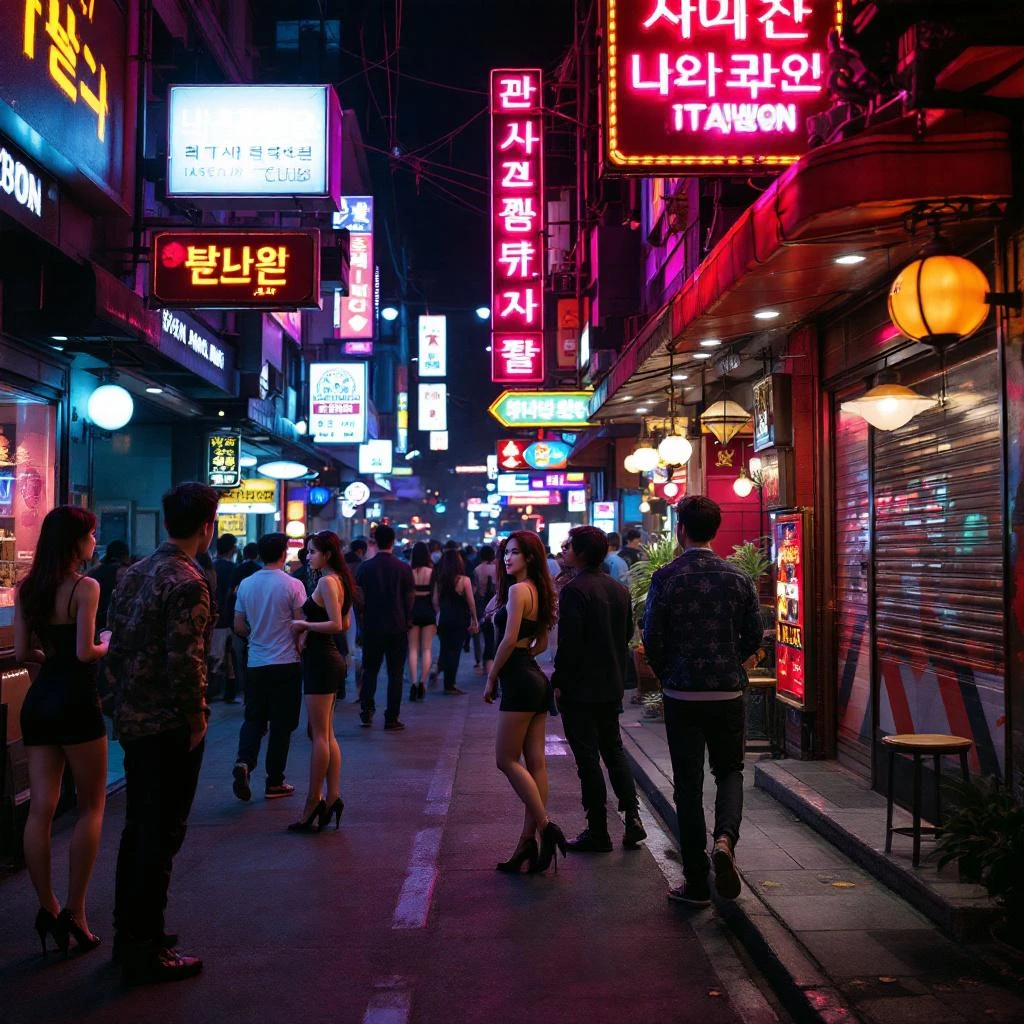
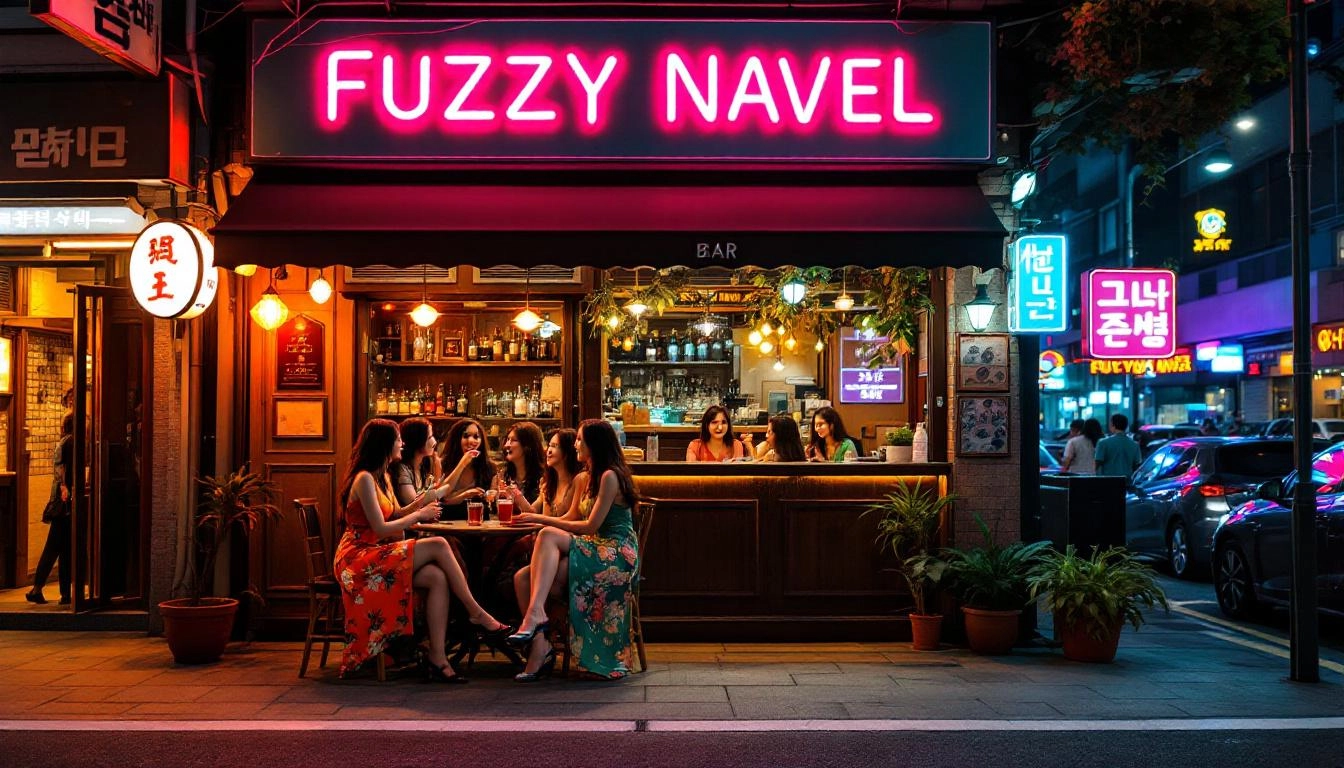
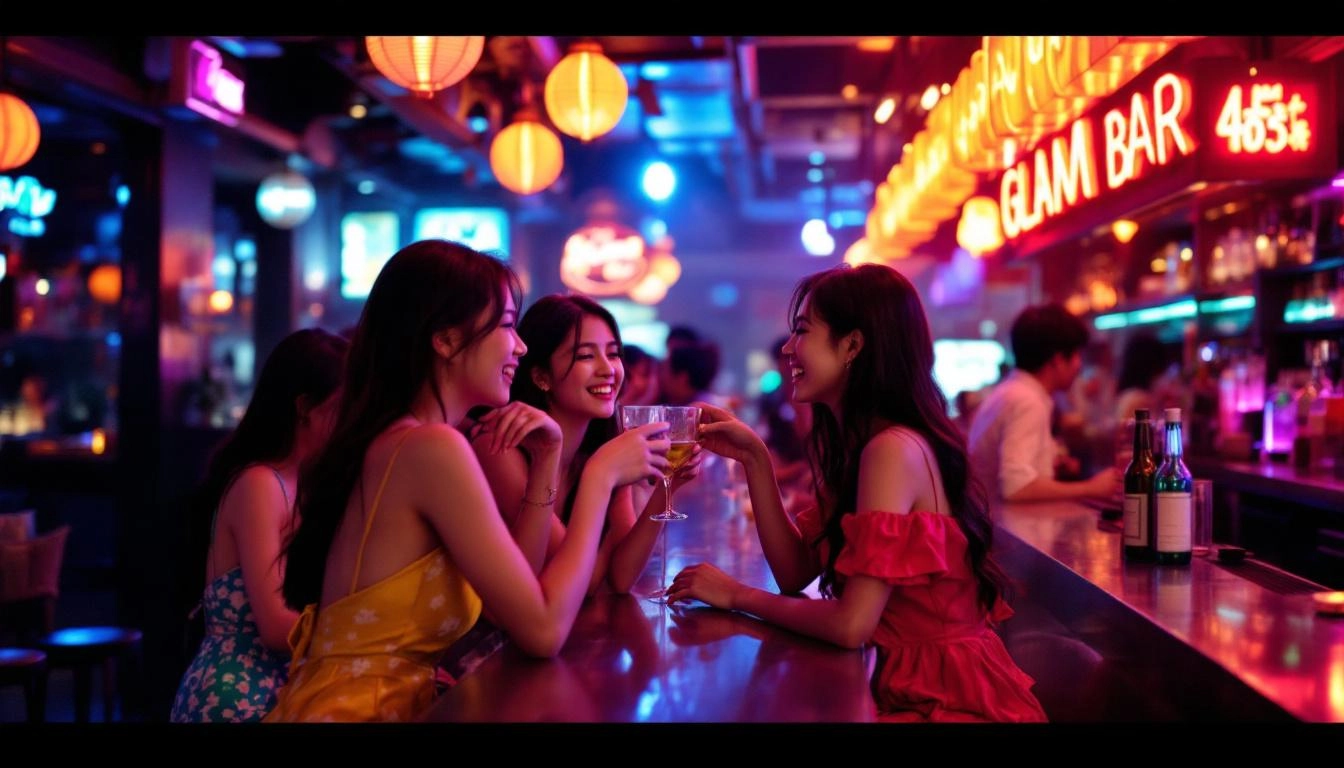
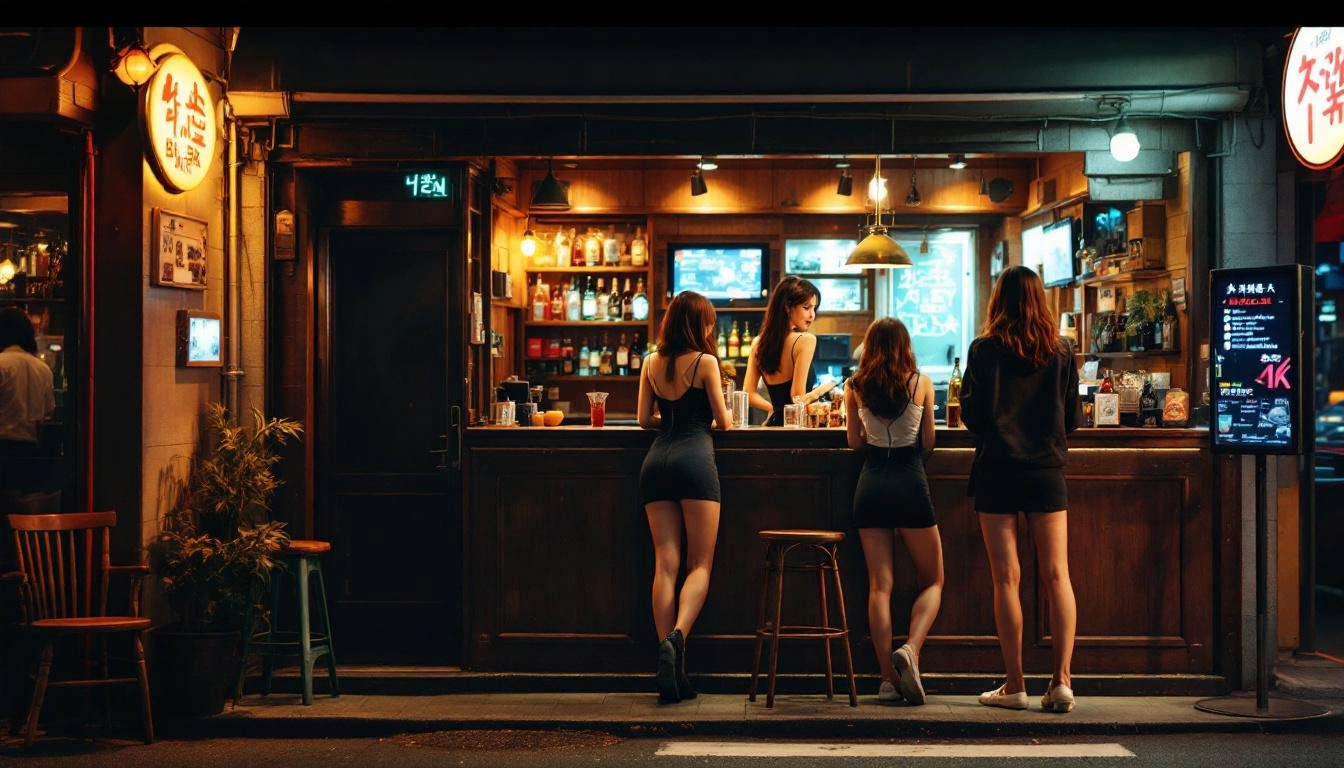
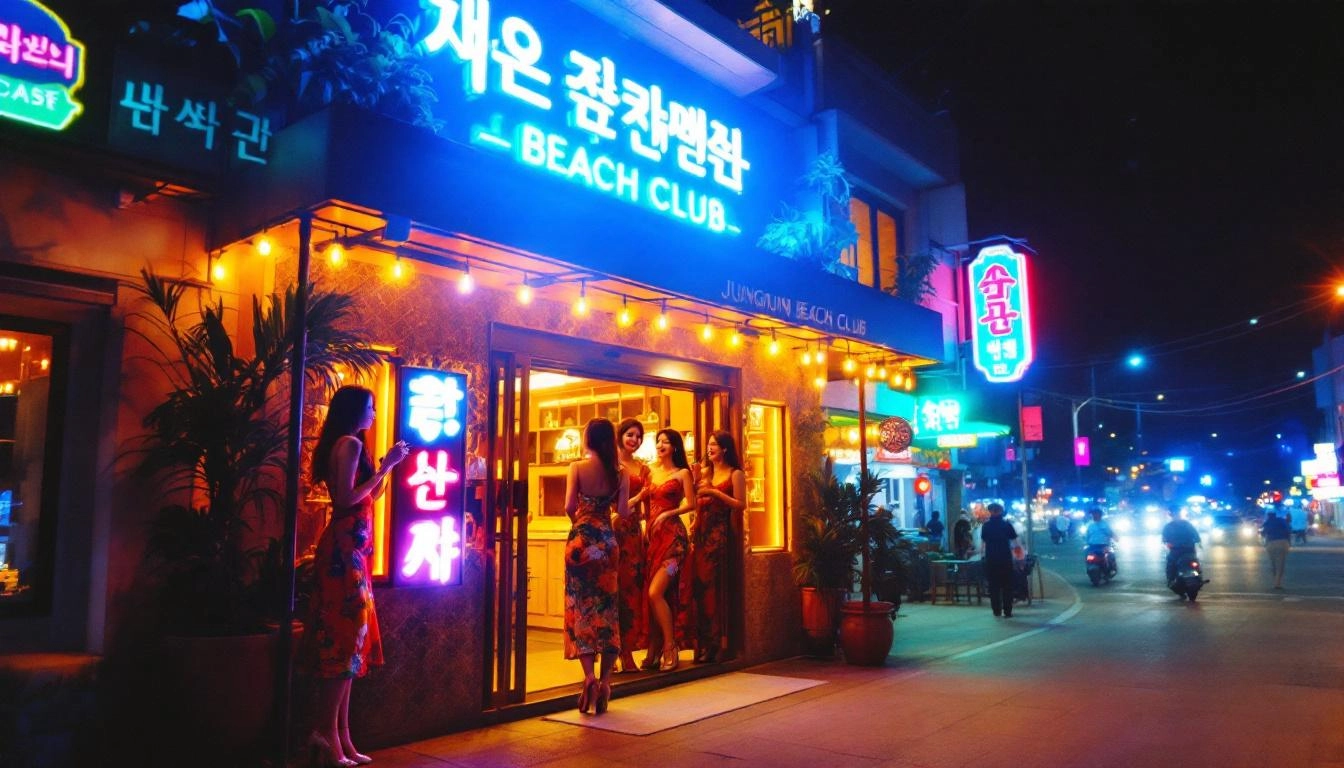
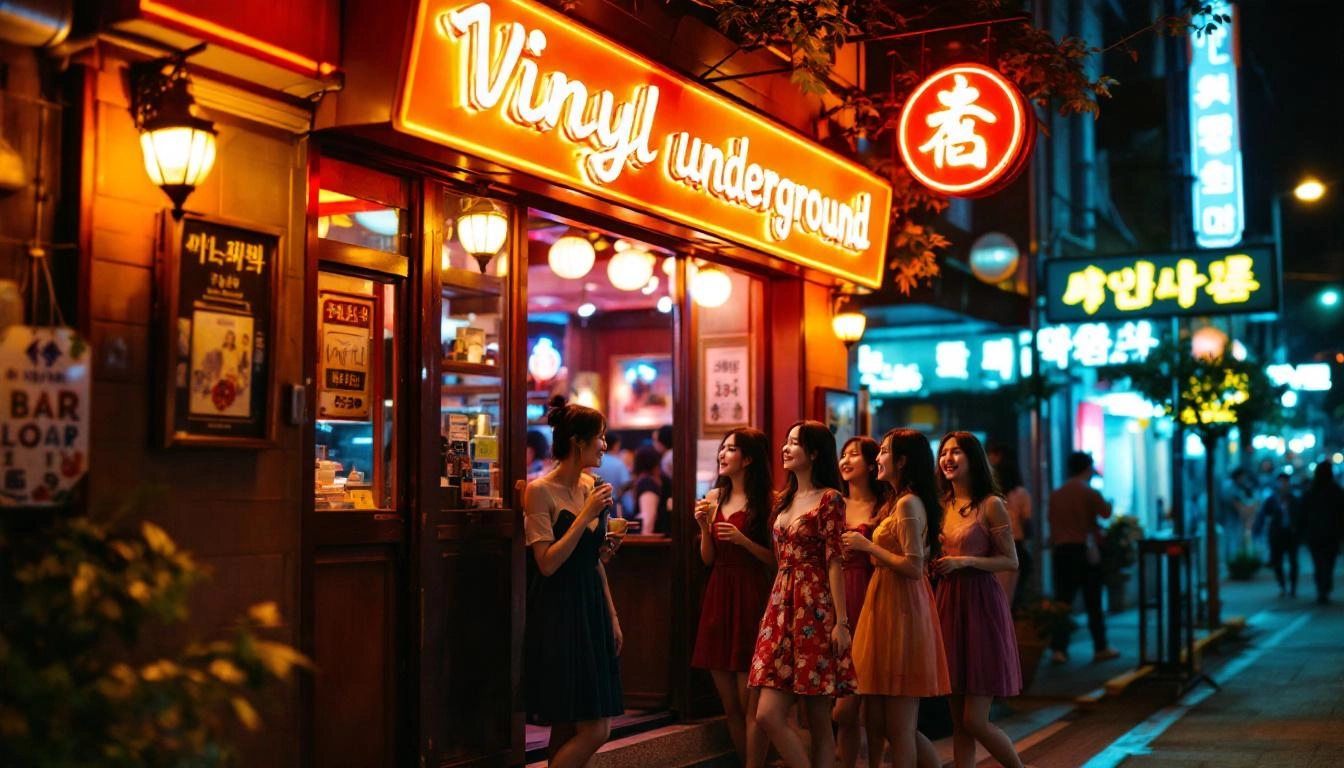
Korea has a huge adult industry that is almost entirely invisible to foreign visitors. The scale is enormous, but it runs on Korean-language introductions and membership rather than walk-in tourism — for an outsider, most of it sits behind a door you cannot open. The one format built for foreigners is the 'juicy bar': women sit with you, you buy them overpriced 'juice', and you negotiate for time after. These cluster in Itaewon and around the US military bases, a direct legacy of the American presence.
Everything above that tier is closed. Korea is the hardest of the major countries in this guide to access cold — less a destination you explore than one you need a local to unlock.
The women
The visible end — juicy bars near the bases — is often staffed by foreign women, historically many Filipinas brought in on entertainer visas, rather than by Koreans. The interaction is transactional and built around the drink-buying ritual. The Korean women in the industry work almost entirely in the closed local tier: room salons and 'booking clubs', serving Korean men and visiting Chinese and Japanese businessmen in private rooms.
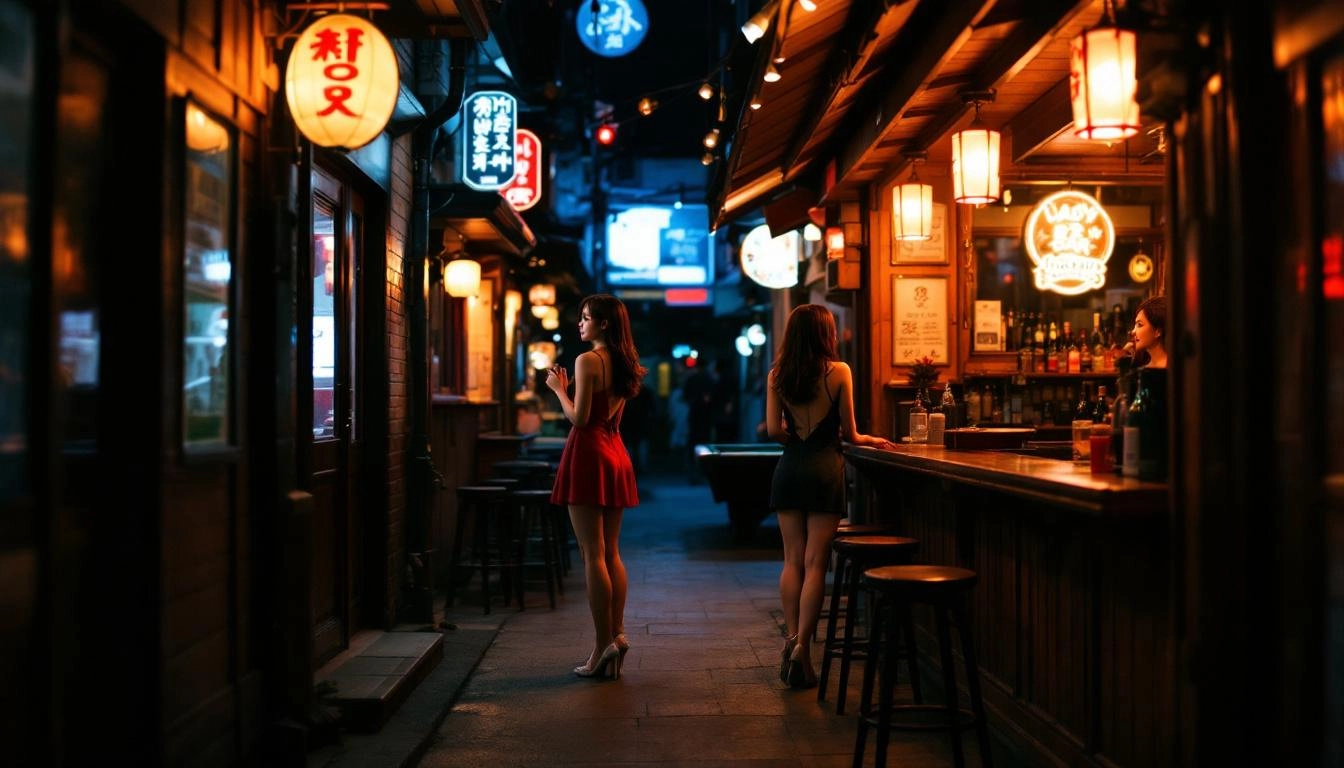
For a foreigner the wall is cultural as much as linguistic. Mainstream Korean dating and hookup culture is very active — apps work, and the conventional bar scene in Hongdae and Gangnam runs on chemistry, not cash — but the paid industry keeps locals and tourists in separate lanes that rarely cross.
Legal landscape
Korea takes a harder legal line than most of Asia. The 2004 Act on the Punishment of Acts of Arranging Sexual Traffic criminalises both the buyer and the seller, and crackdowns are real and periodic — long-standing red-light areas such as Seoul's Cheongnyangni have been cleared in recent years. The industry persists because it hides well: room salons, 'kiss rooms' and similar venues sell a grey-area experience that is hard to police. Enforcement falls hardest on the visible and the foreign.
Drugs are an absolute no. Korea is one of the strictest countries on earth — possession means arrest and deportation, there is no cannabis tolerance, and even use abroad has been prosecuted. A conservative society and aggressive policing make Korea a place to keep firmly inside the lines.
Where to go
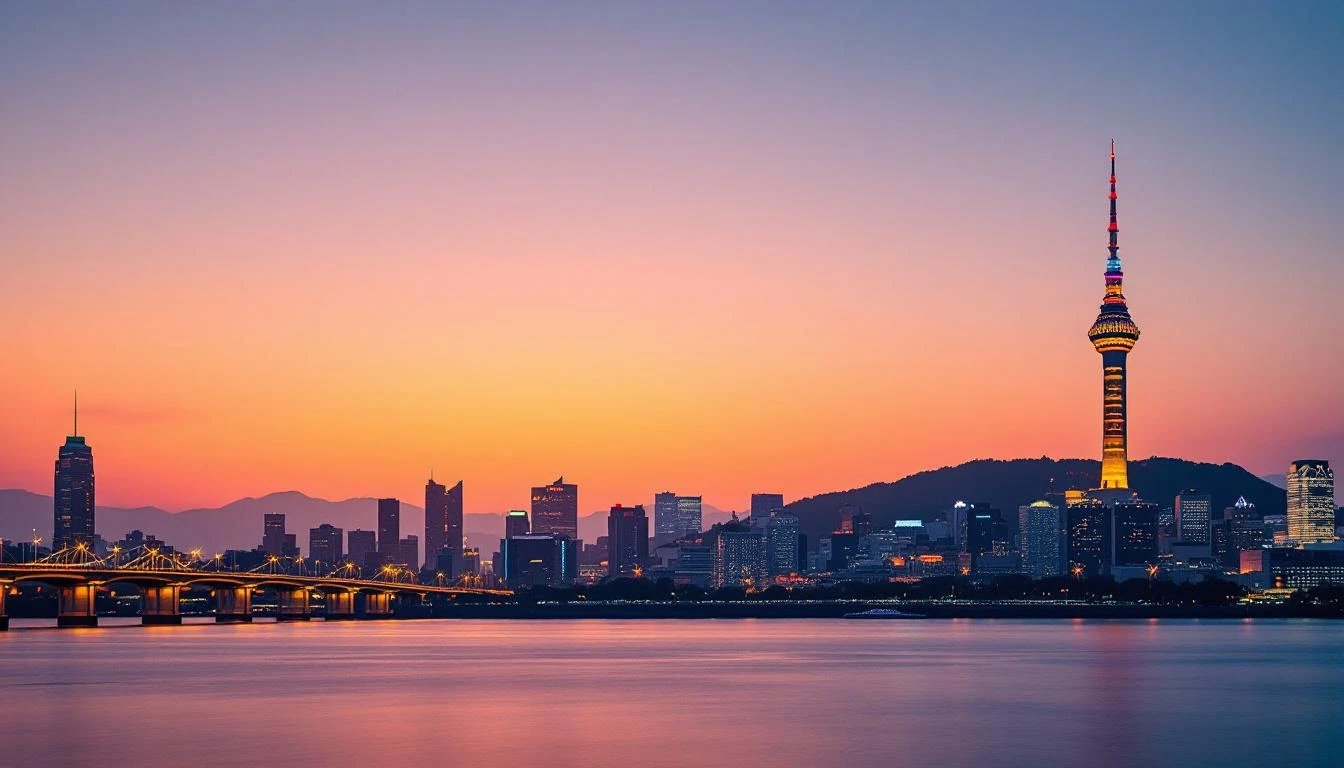
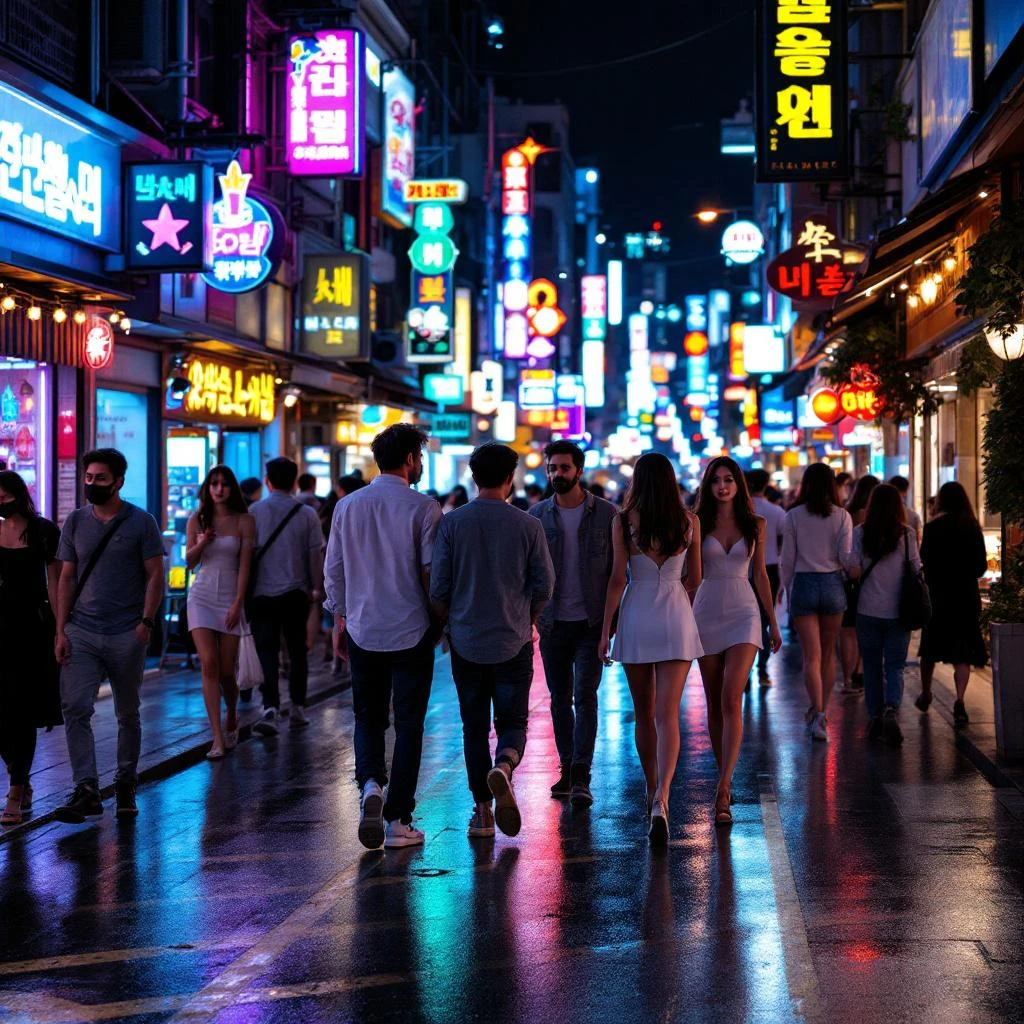
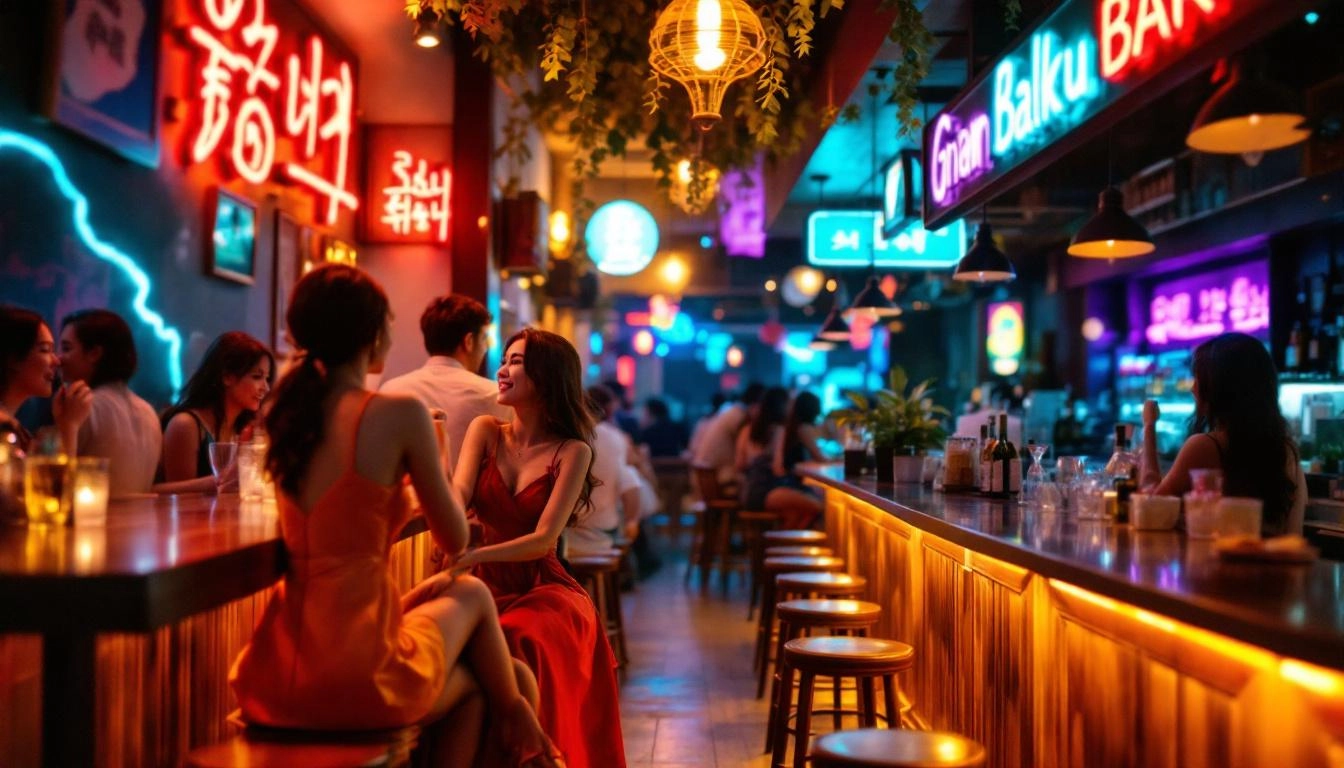
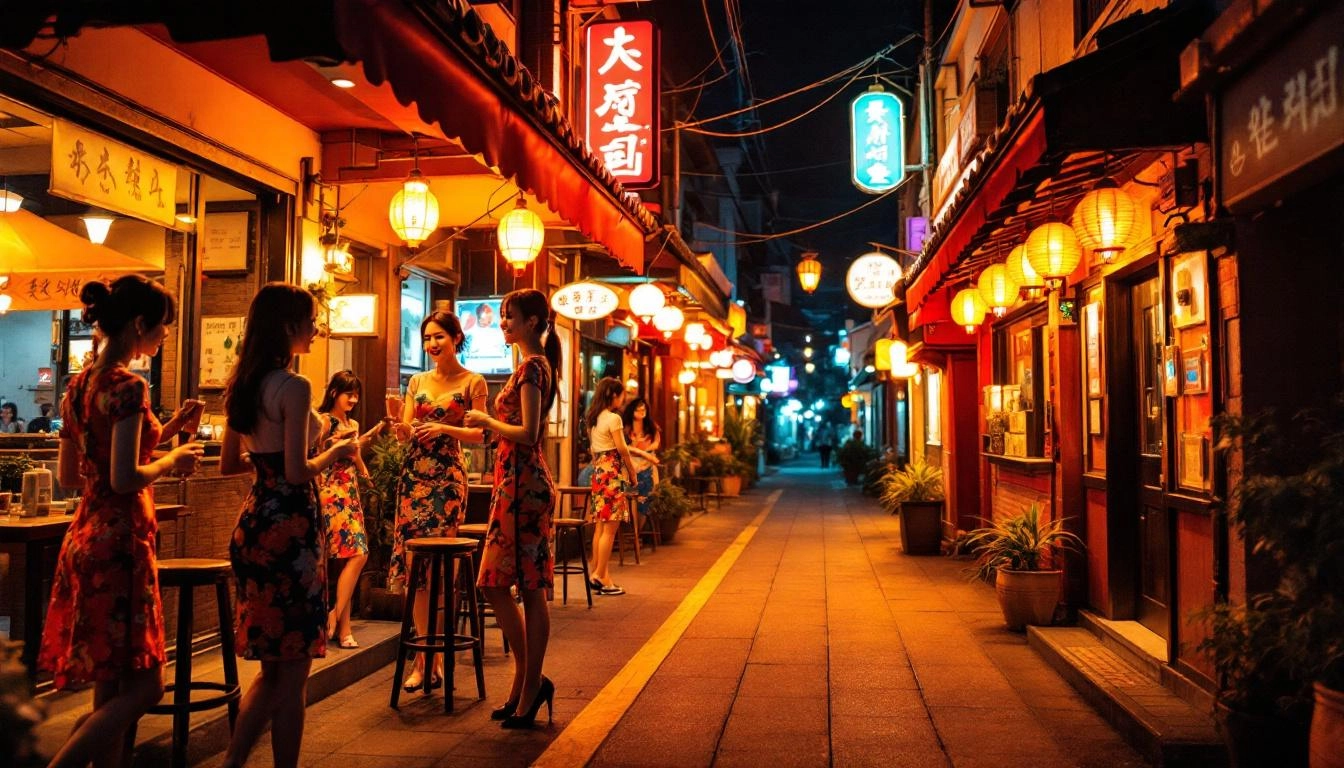
Seoul is the centre of everything. Itaewon, by the old US garrison, holds the juicy bars and the most foreigner-friendly nightlife; Gangnam is upscale and expensive; Hongdae is the young, student-driven party district where the conventional scene is liveliest. The paid industry is everywhere in the city but mostly behind unmarked doors.
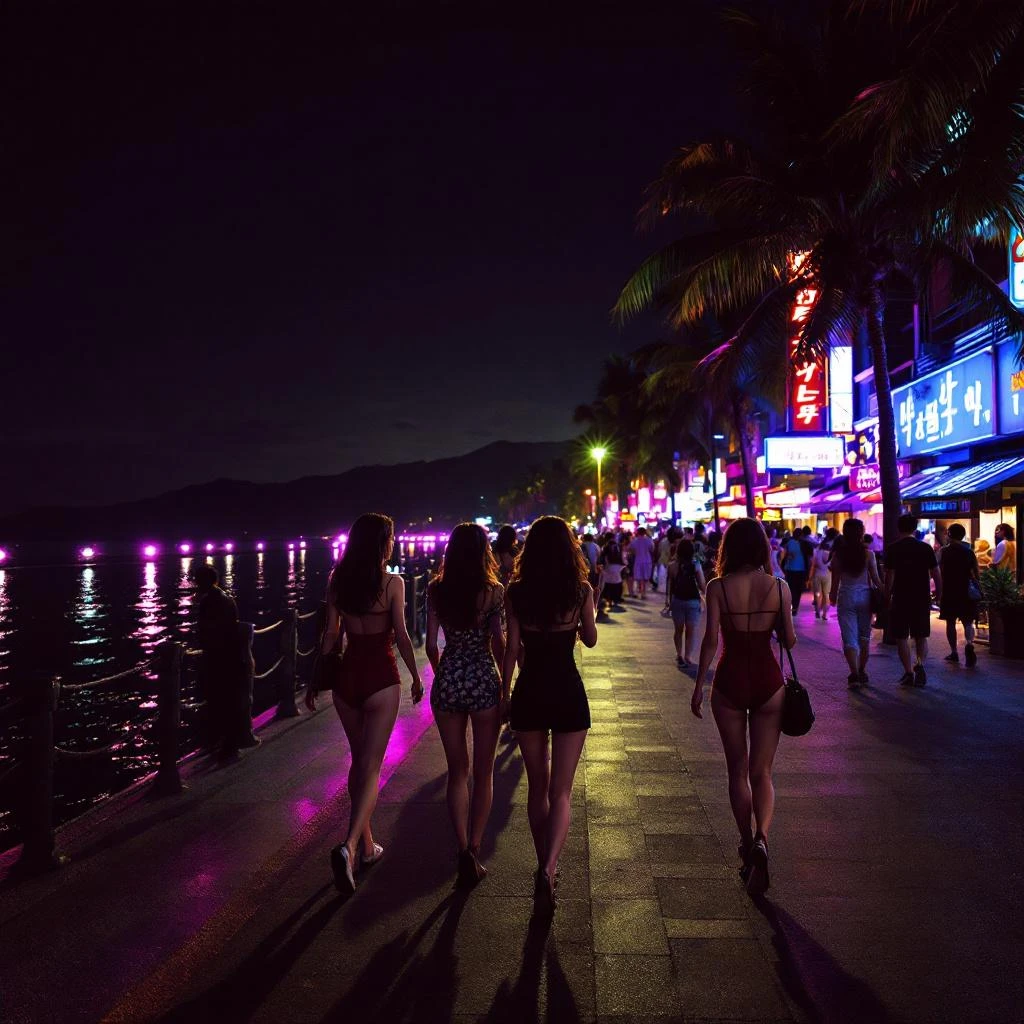
Busan, the southern port, has its own long-standing foreigner zone — 'Texas Street' near the main station — alongside normal big-city nightlife around Seomyeon and Haeundae beach. Jeju, the resort island off the south coast, runs a smaller, more tourist-flavoured scene tied to its holiday and convention traffic. Outside these, expect the same rule as the rest of Korea: little is accessible without the language or a local.
Practical info
Most Western passports enter visa-free for up to 90 days, though you should check the K-ETA travel authorisation requirement before flying, as the rules shift. The currency is the won (KRW), around 1,350 to the US dollar; cards work almost everywhere and a T-money card covers transport in any city. Costs sit closer to Japan than Southeast Asia — a beer in a bar runs 6,000–10,000 KRW and everything scales from there.
Seoul is one of the safest big cities in the world and transport is fast and flawless. The real obstacles are the language barrier — far steeper than Japan for nightlife — and bill shock in room-salon-style venues, where 'service' charges and bottle minimums can turn an evening into a four-figure mistake. Stick to transparent venues and confirm prices before you sit down.