Cambodia
Contents
Cities 3
Map
Popular red light districts in Cambodia
See all →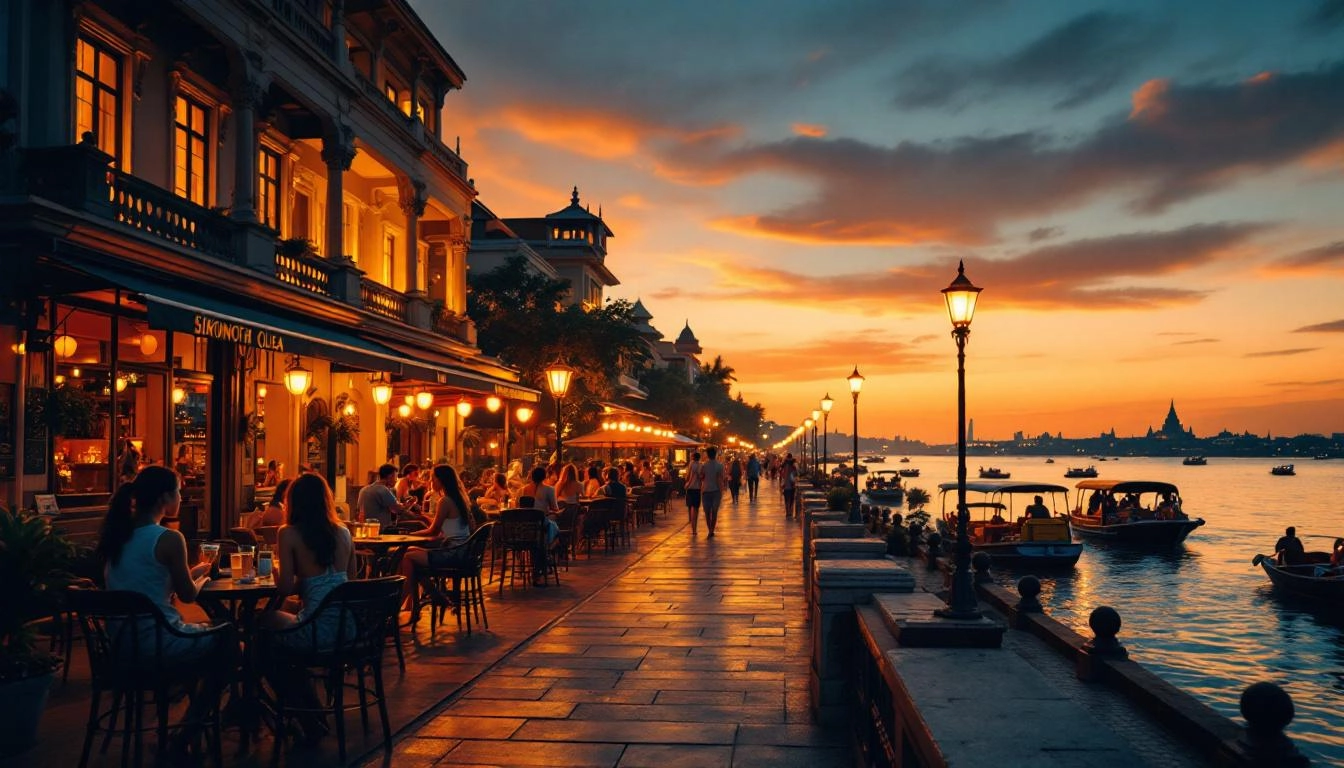
All Venues
Overview
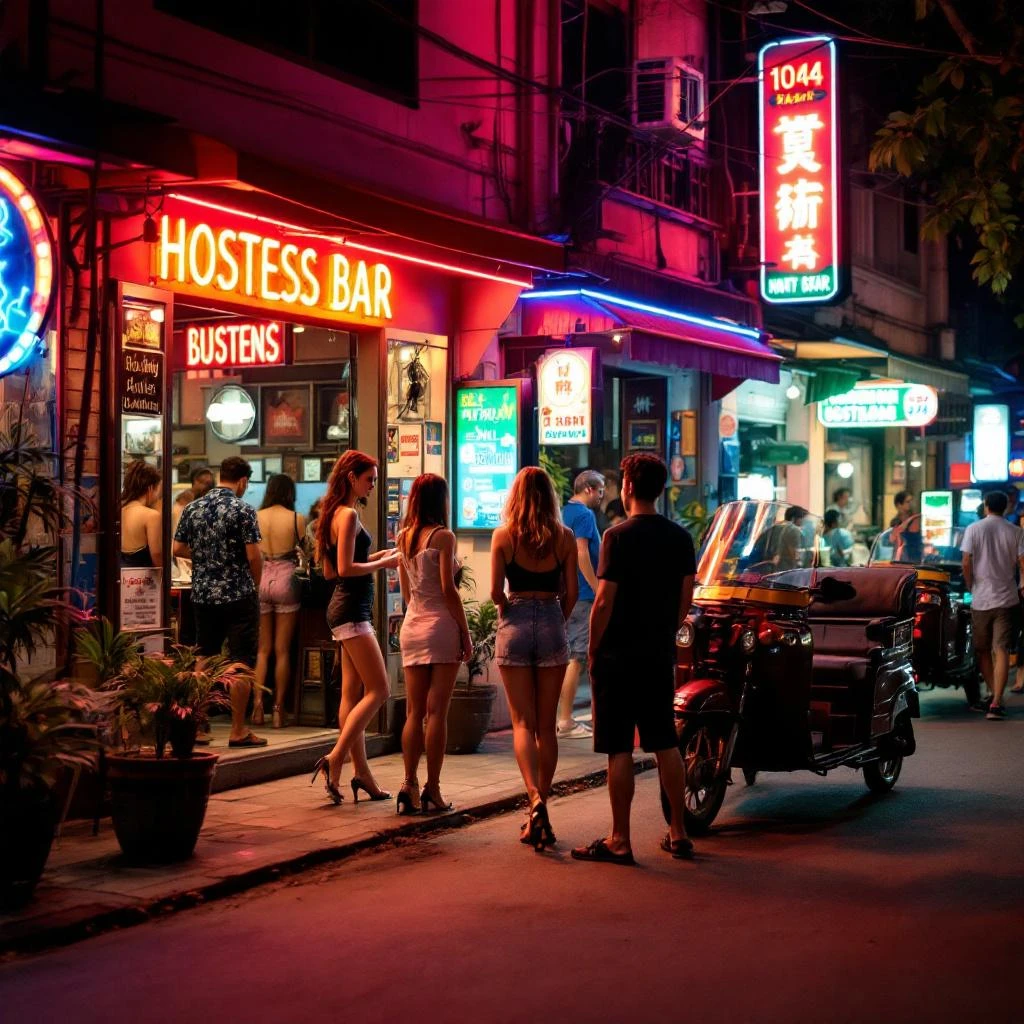
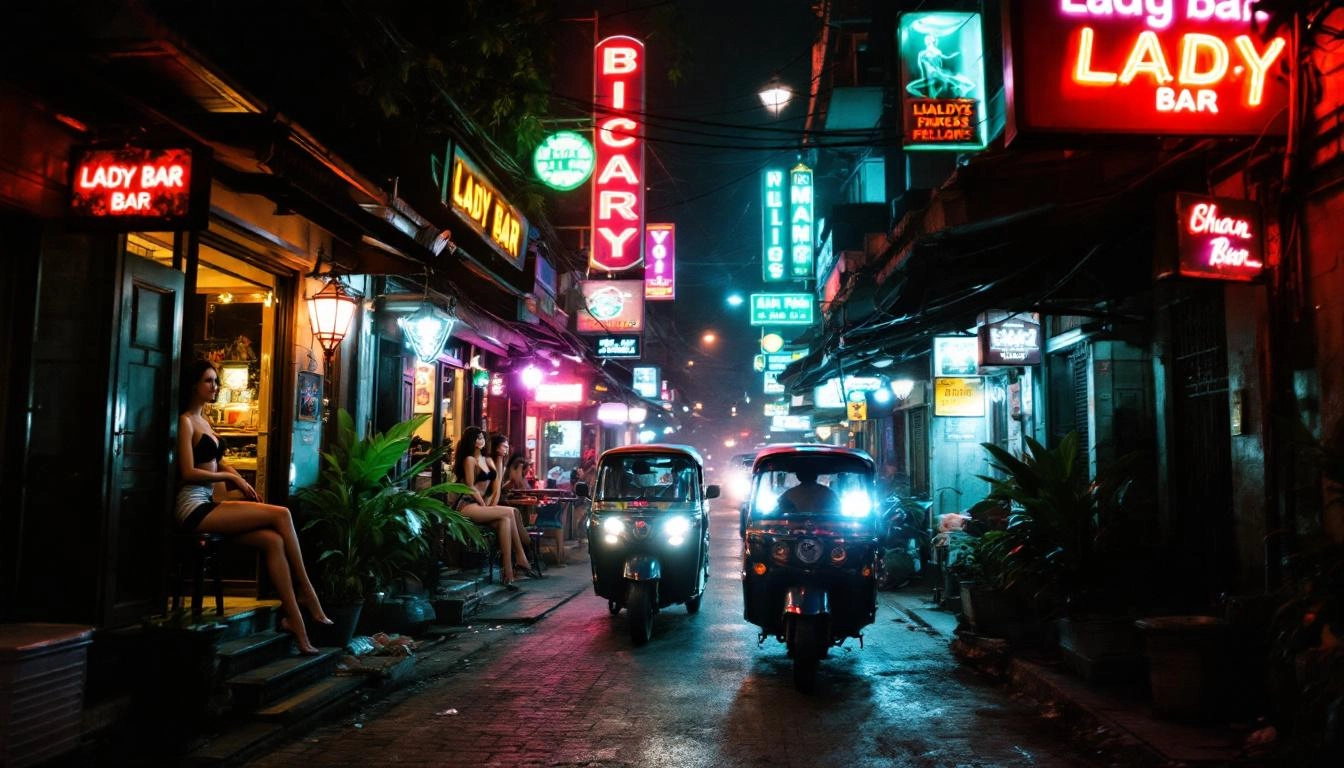
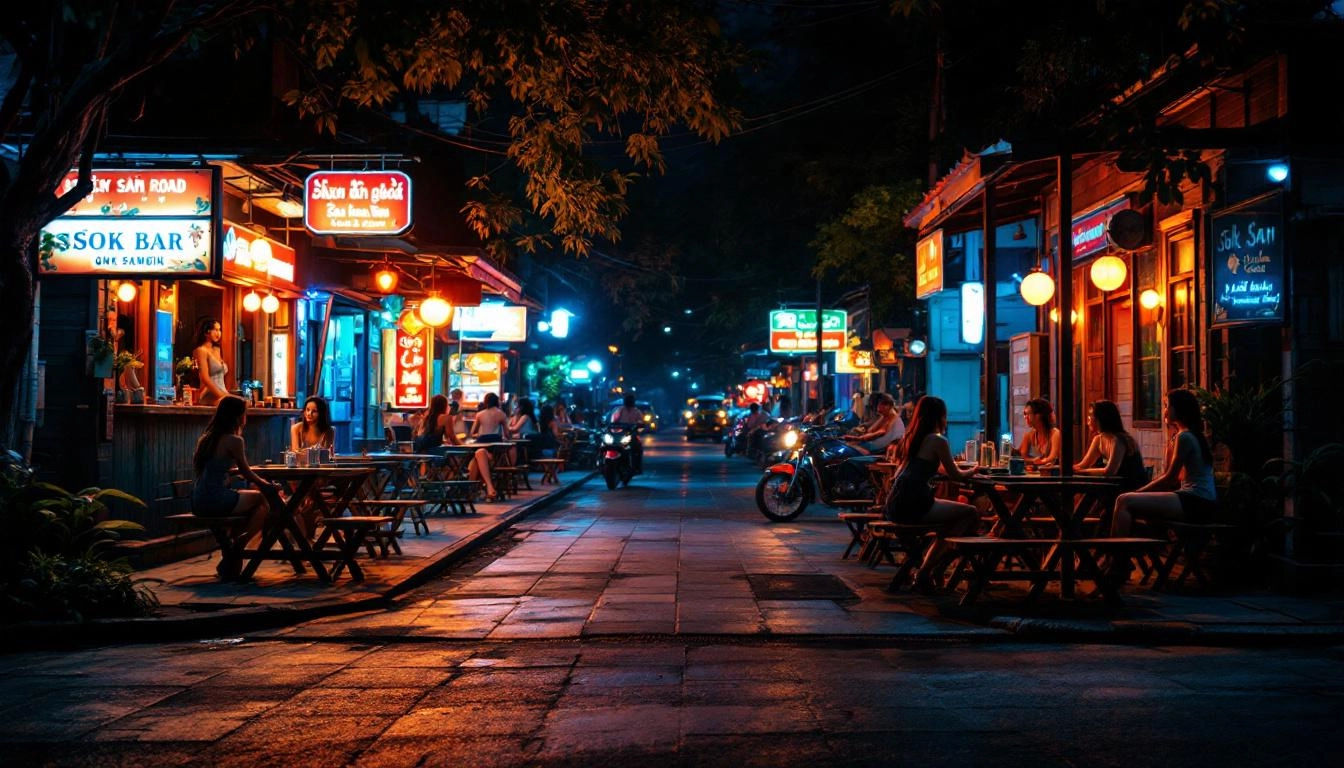
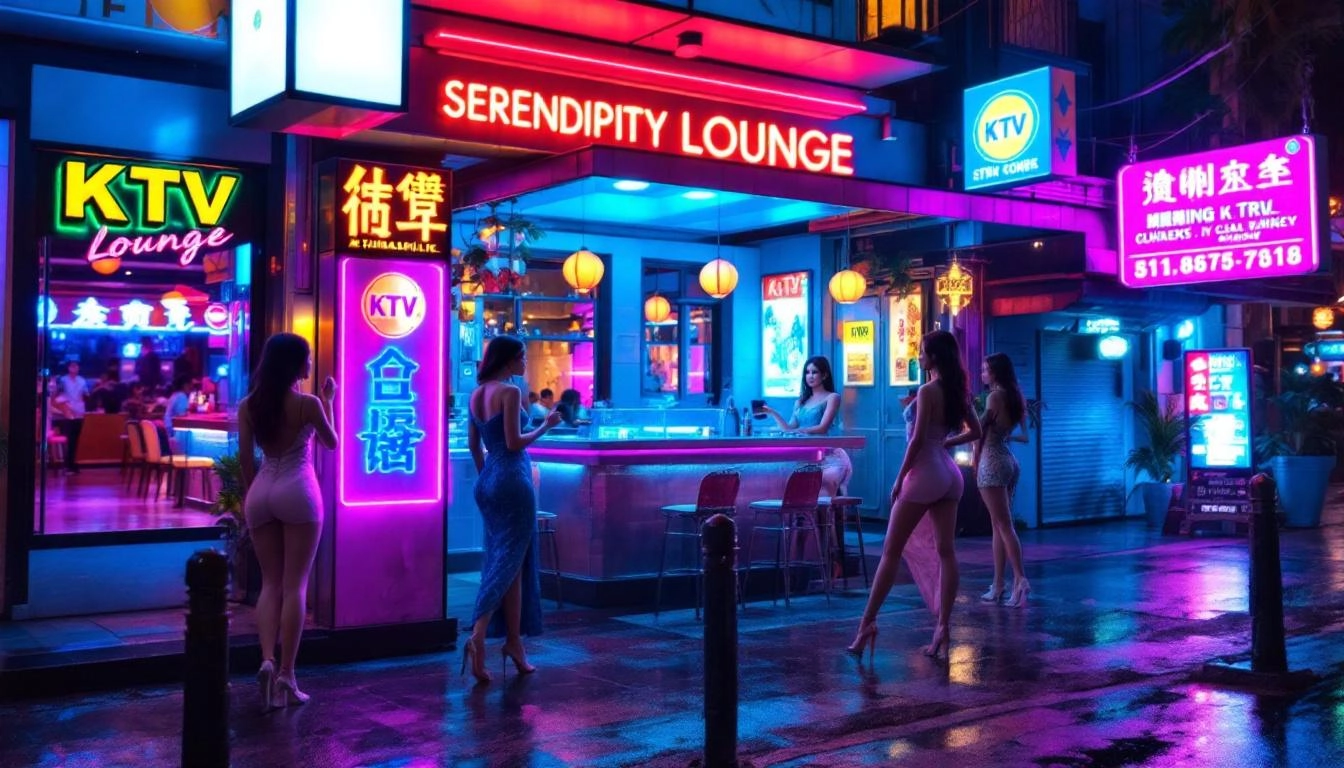
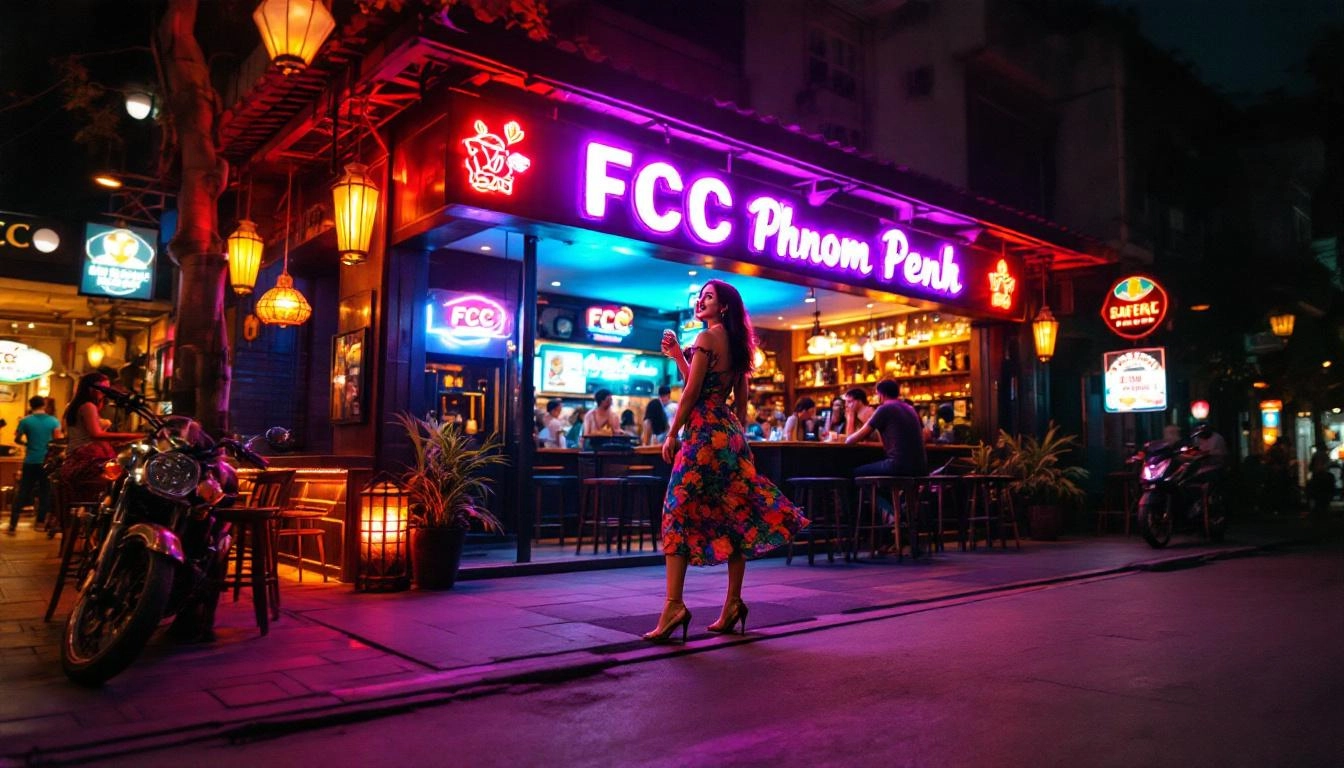
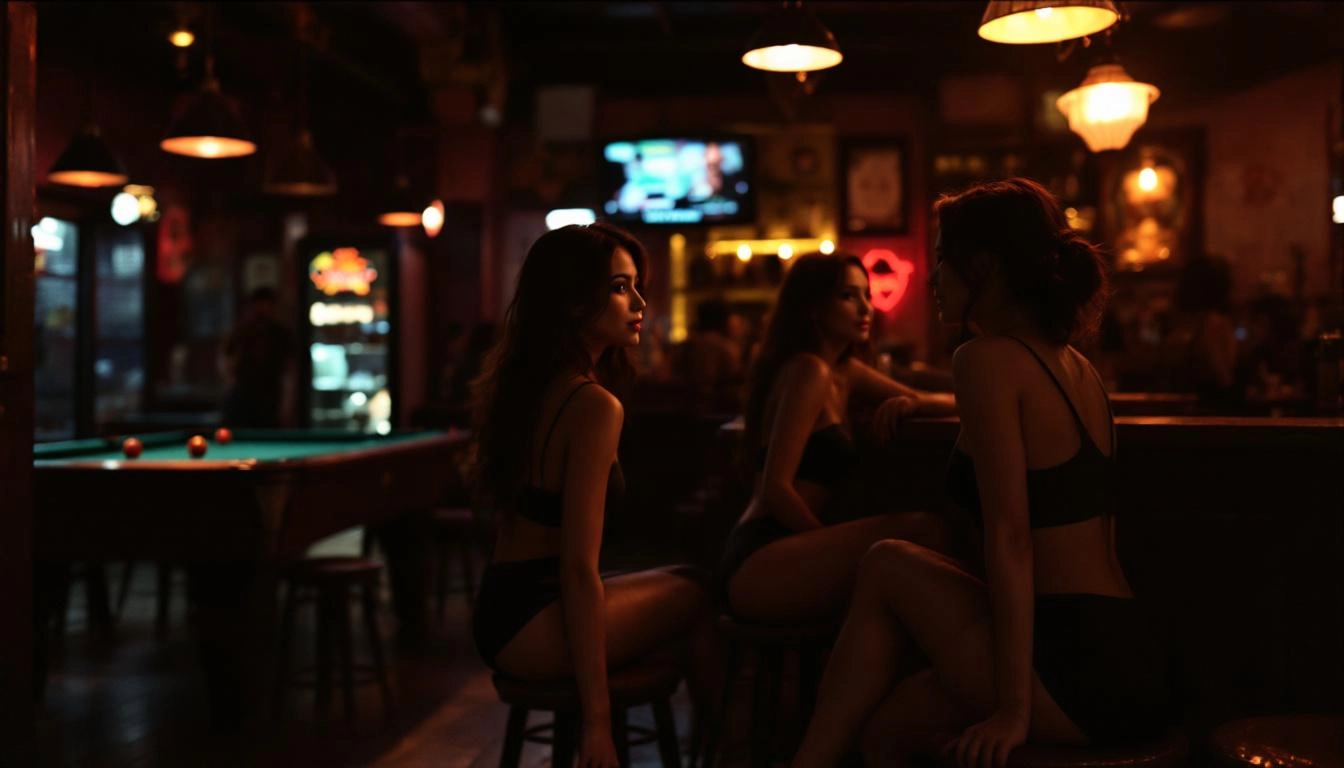
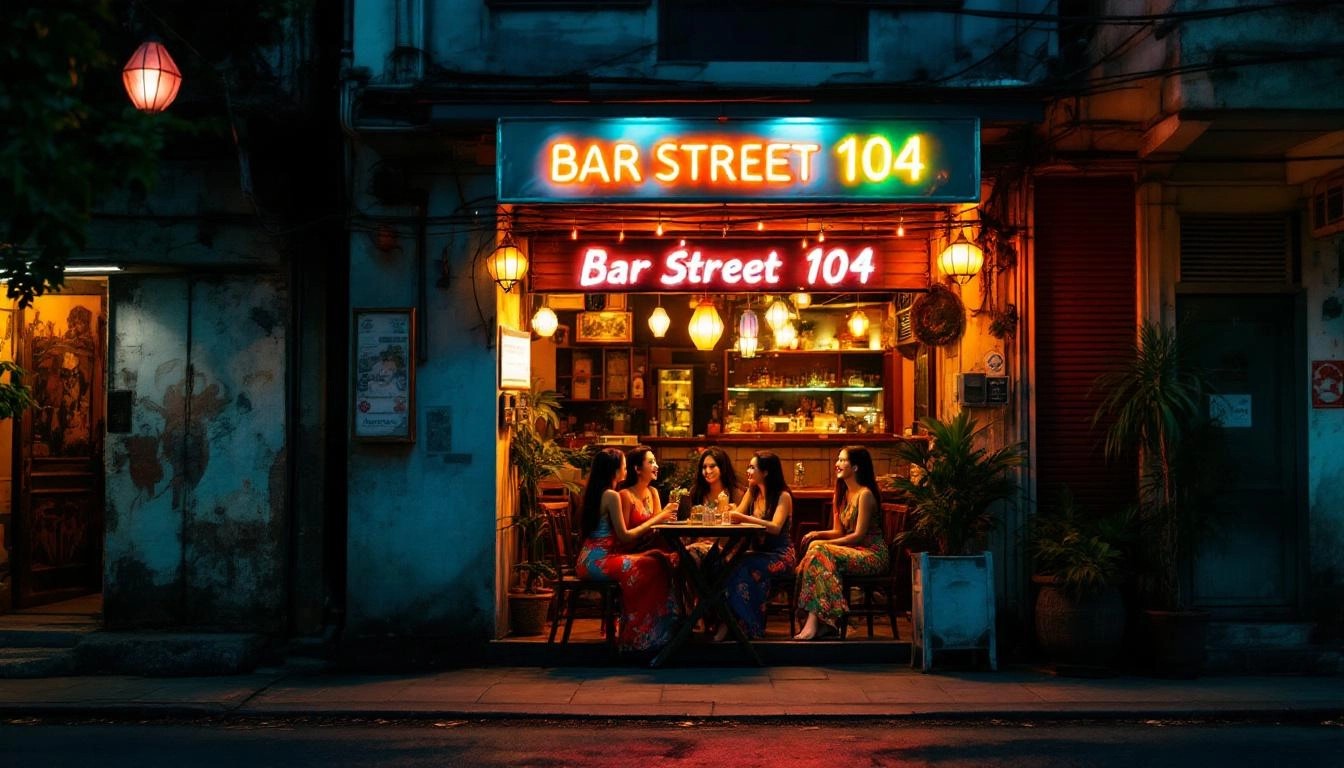
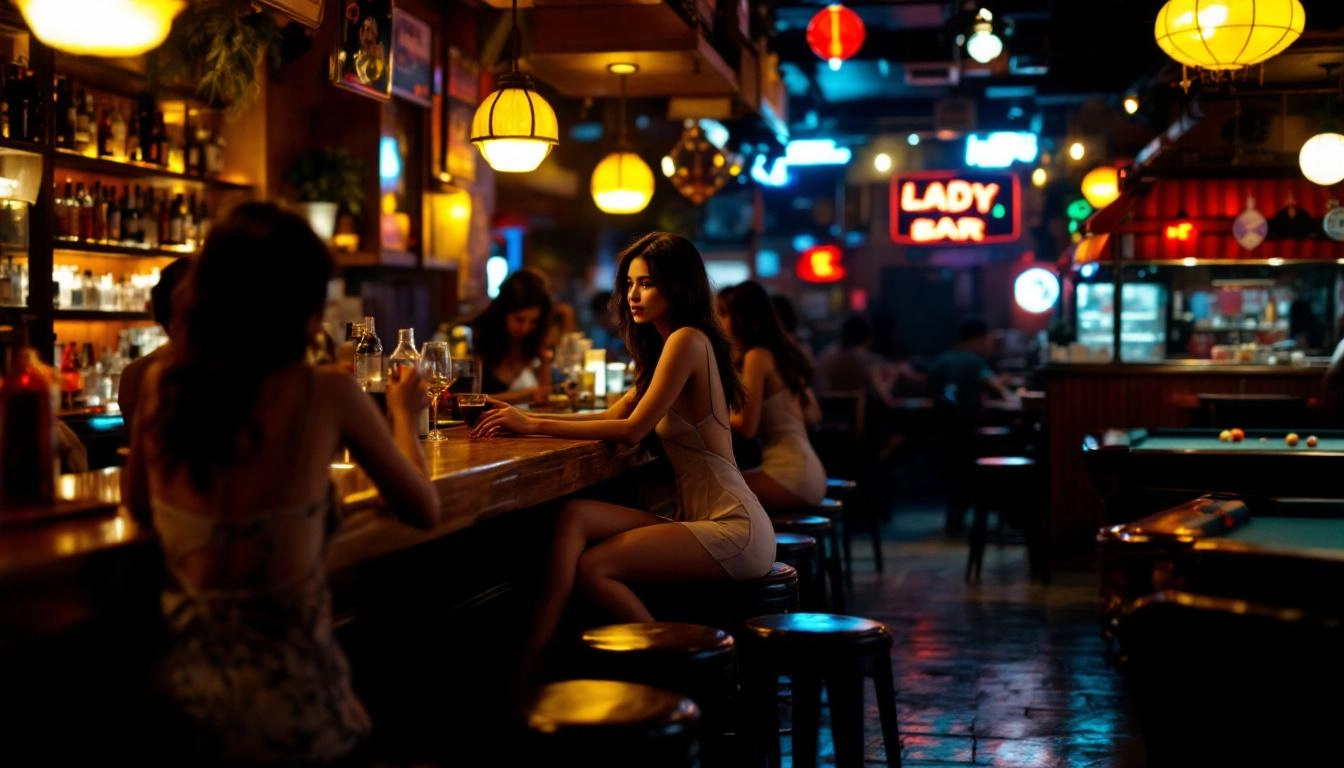
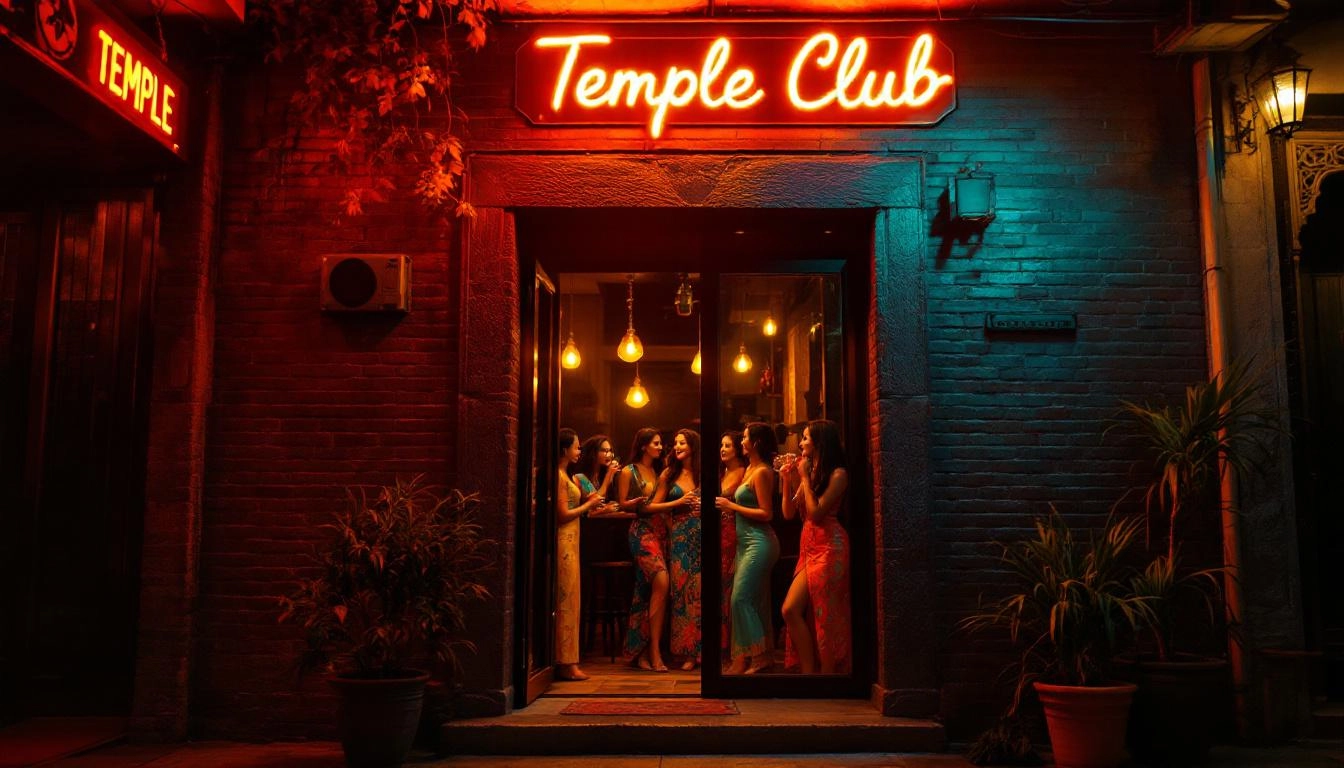
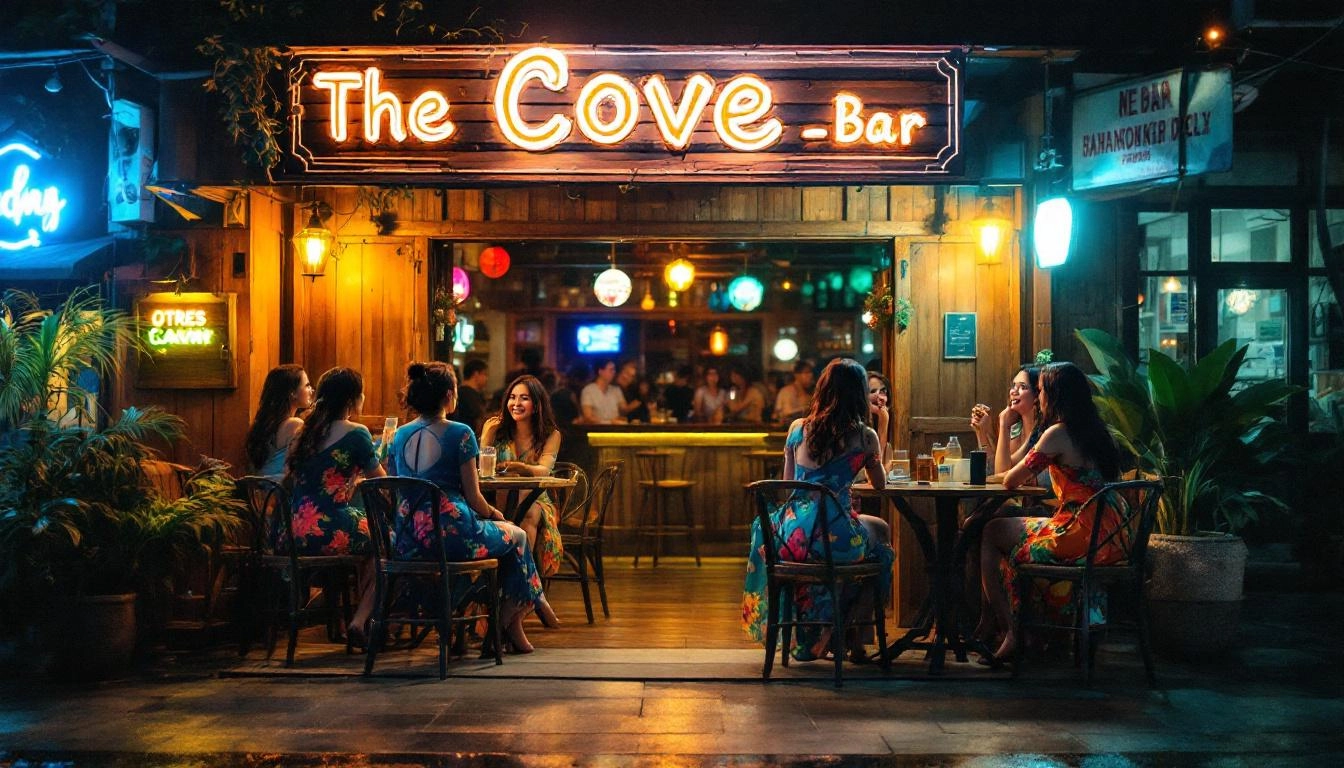
Cambodia is the most open and least regulated scene in Southeast Asia. What sits in a legal grey area in Thailand is even less policed here — the pretence of oversight is thinner. Phnom Penh's Street 136 and the blocks around it are the hub: open-fronted bars, direct approaches, and prices that make Thailand look expensive.
The scene is smaller than its peak. Government crackdowns in 2018–2019 shuttered a wave of bars and tightened restrictions, and what remains is more concentrated and more aware that the political climate can shift overnight. It still functions, but it takes more navigation than it did five years ago. The flip side of the light regulation is value — Cambodia is cheap in absolute terms, and the whole country runs on US dollars, which takes currency maths out of the equation.
The women
The women are mostly Khmer, alongside a long-standing population of Vietnamese women working in Phnom Penh. The manner is easygoing and low-pressure — closer to Filipina warmth than to Vietnamese reserve — though English is more limited than in the Philippines. This is one of the poorest countries in the region, and the economics behind the scene are starker here than almost anywhere else.
That poverty is also why due diligence matters more in Cambodia than anywhere else in this guide. The country has a documented history of trafficking and underage exploitation, and while enforcement has improved, the risk has not vanished. Stick to established, visible venues, and treat any situation that feels wrong as exactly that.
Legal landscape
Cambodia's 2008 Law on the Suppression of Human Trafficking and Sexual Exploitation is the statute that matters. Prostitution sits in an ambiguous, technically-illegal space, but day-to-day enforcement against adult sex work is minimal — the police focus, under heavy international pressure, is on trafficking and minors. That is where Cambodia is deadly serious: anything involving a minor carries long prison terms, and foreign offenders are actively pursued, prosecuted locally, and extradited. It is the one absolute, non-negotiable line in the country.
Drugs are a real risk despite the relaxed street appearance — possession brings serious penalties and foreigners get caught in periodic crackdowns. The overall picture is a tolerant adult scene wrapped around two hard limits, minors and drugs, that carry life-altering consequences.
Where to go
Phnom Penh is the centre. Street 136 and the riverside blocks around it hold the highest concentration of bars, with Street 51 (Pontoon) another long-running node of the nightlife. It is compact, walkable, and the clear primary destination.
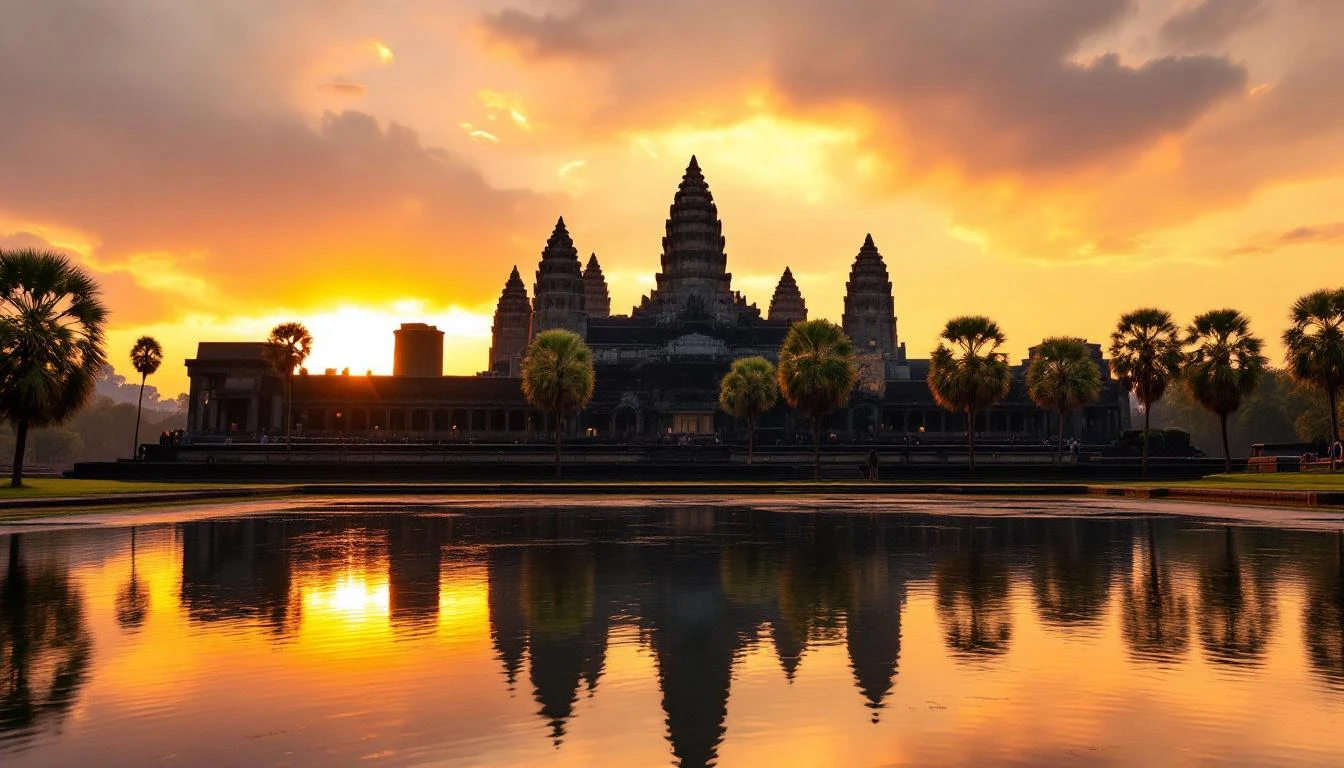
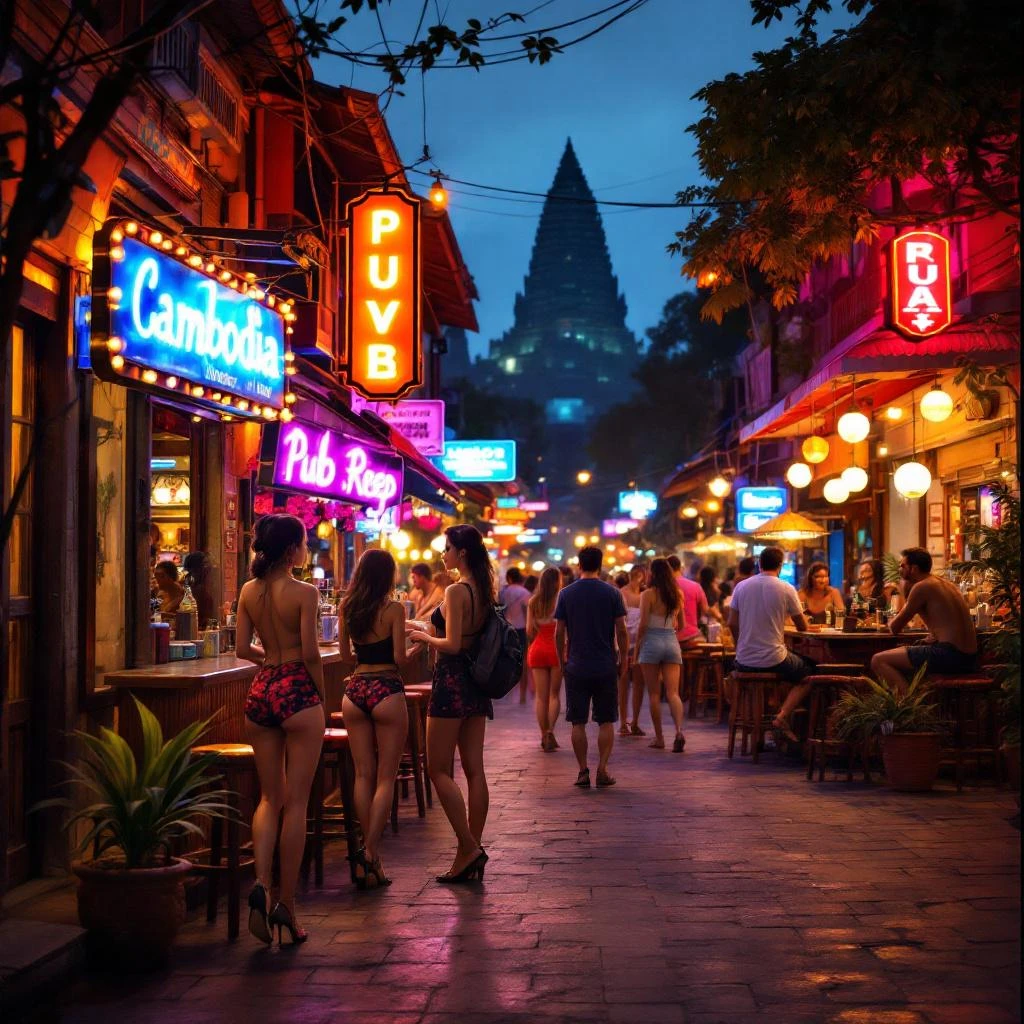
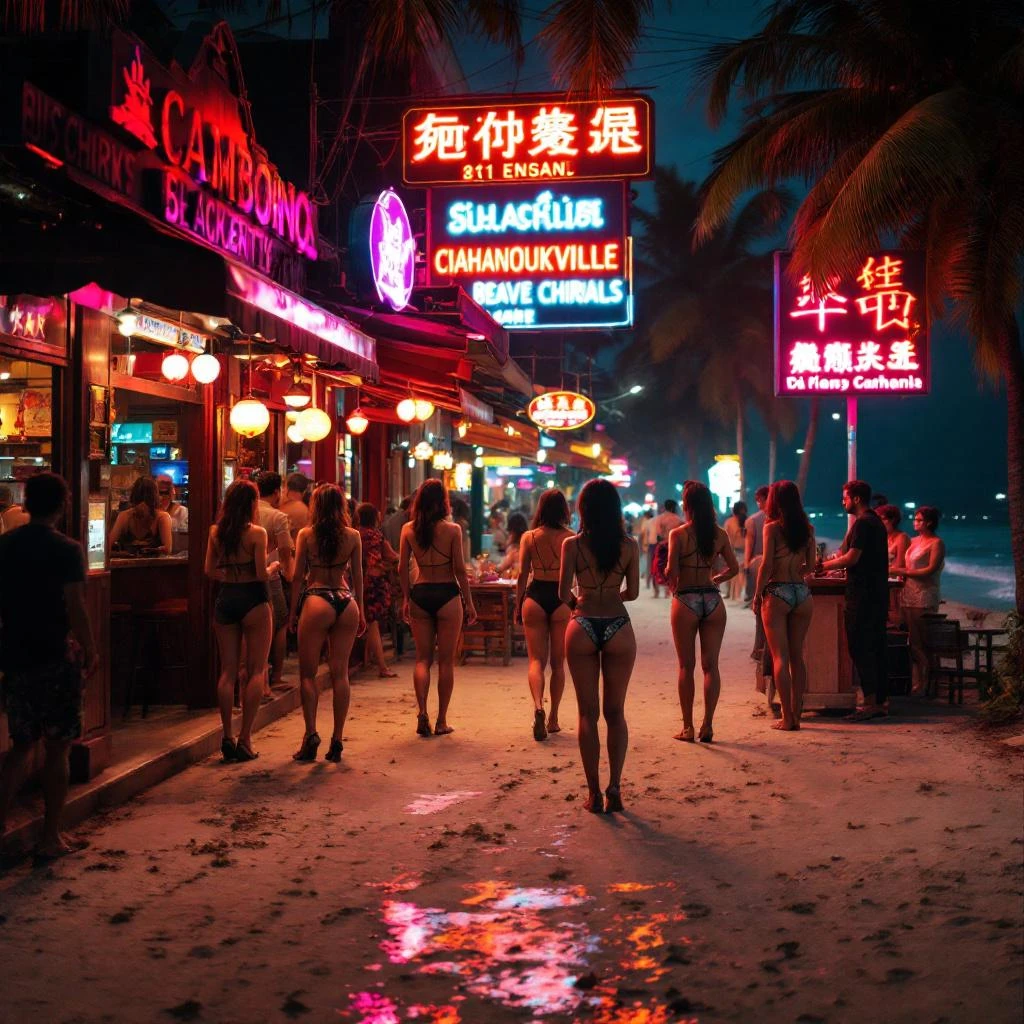
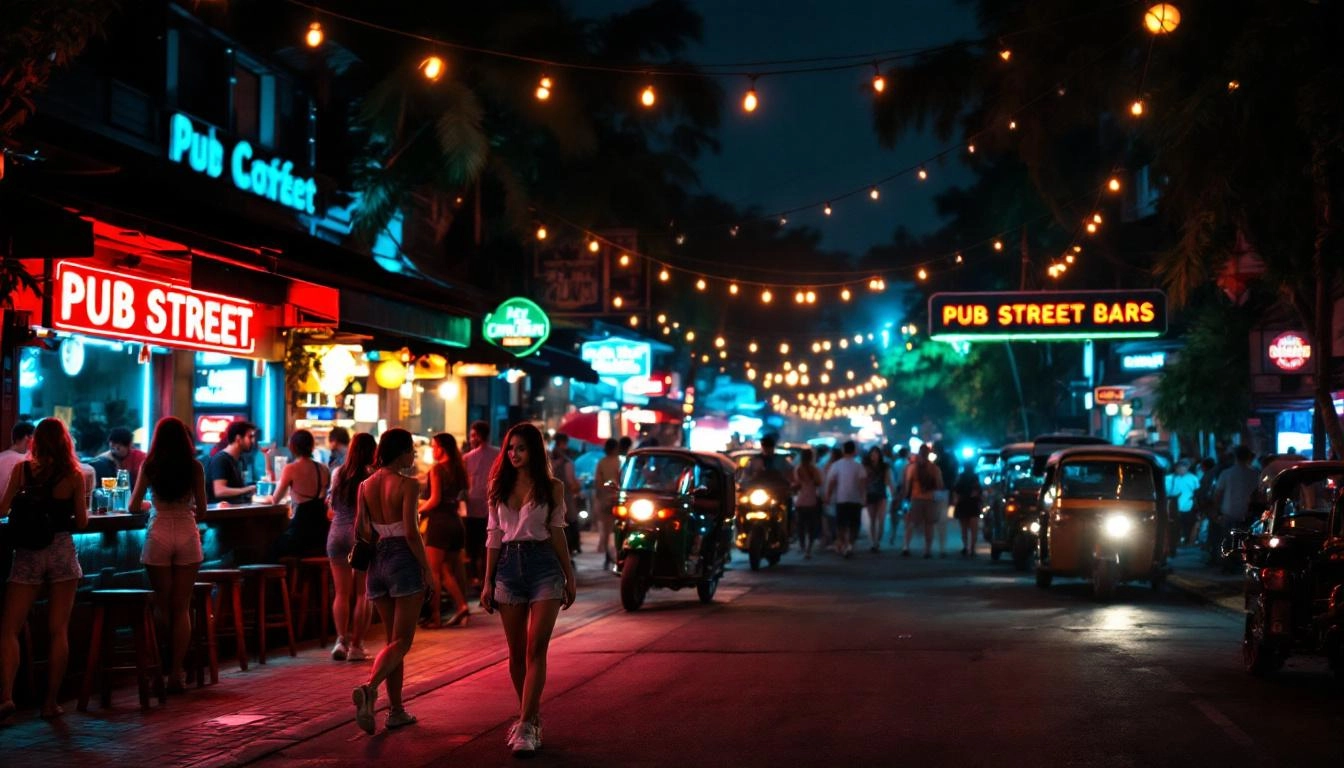
Siem Reap, the base for visiting Angkor Wat, runs a separate and more tourist-flavoured scene around Pub Street — mixed, backpacker-heavy, and less specifically aimed at what this guide covers, but worth knowing if you are there for the temples. Sihanoukville, the coastal city, was transformed by a Chinese-driven casino boom and the bust that followed; its scene is volatile and tied to that churn rather than to steady tourism. Of the three, Phnom Penh is the only dependable base.
Practical info
Most nationalities get a 30-day visa on arrival or e-visa for around $35. The economy runs on US dollars — ATMs dispense them and prices are quoted in dollars, with Cambodian riel used only for small change — so there is no currency conversion to think about. It is cheap, cheaper than Thailand across the board.
Grab and the local PassApp cover ride-hailing in Phnom Penh, and tuk-tuks are everywhere. The main safety issue is bag and phone snatching from motorbikes in Phnom Penh, which is common — keep valuables off the street side. Medical care is basic; for anything serious, expats fly to Bangkok. Standard nightlife caution applies on bar tabs and 'ladydrinks', and because regulation is light, choosing reputable, established venues matters more here than in better-policed countries.