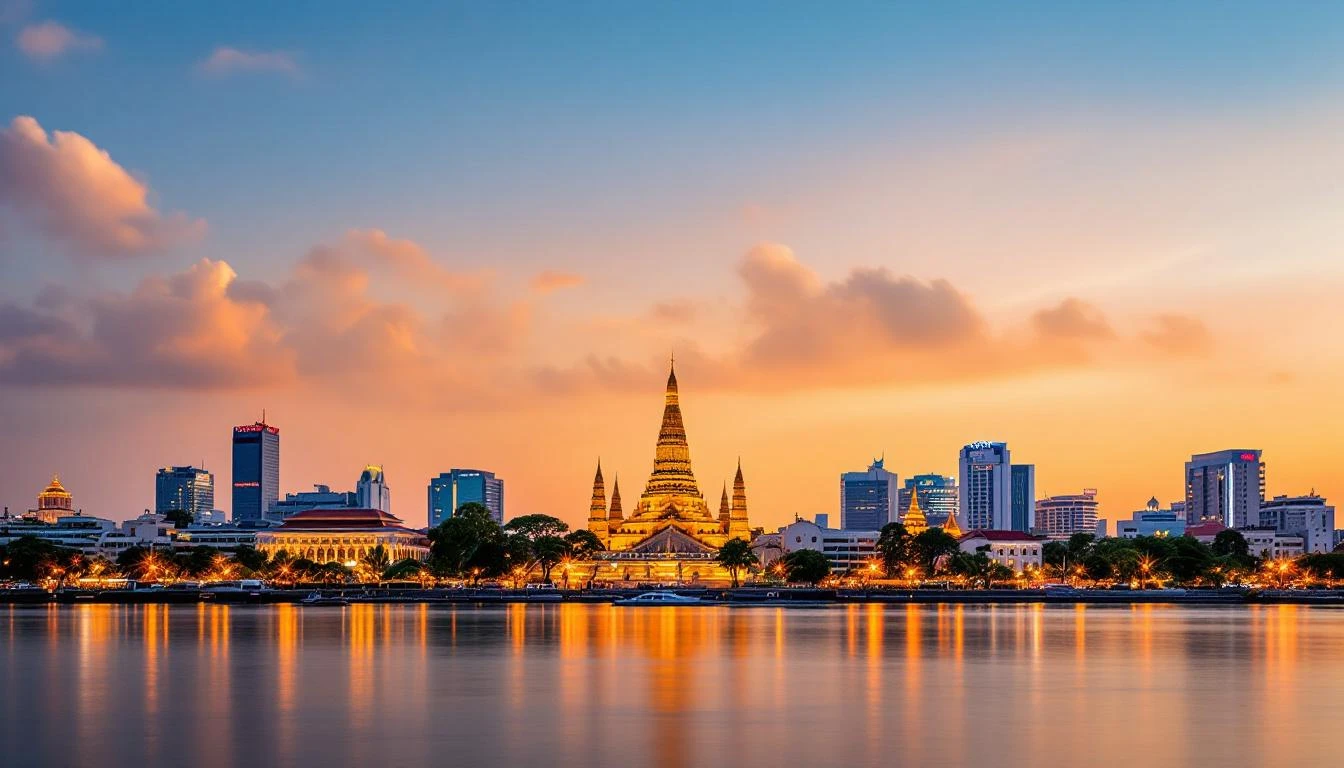
Thailand
Contents
Cities 8
Map
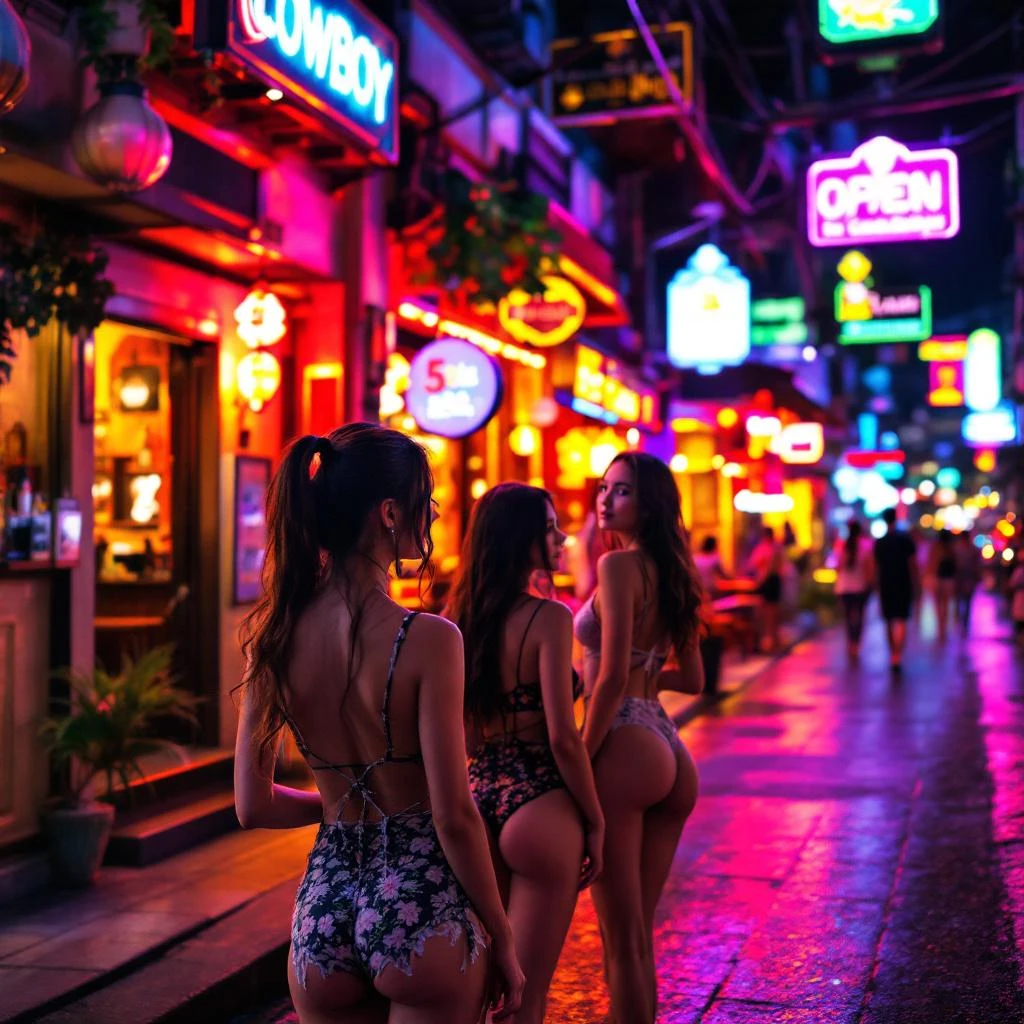
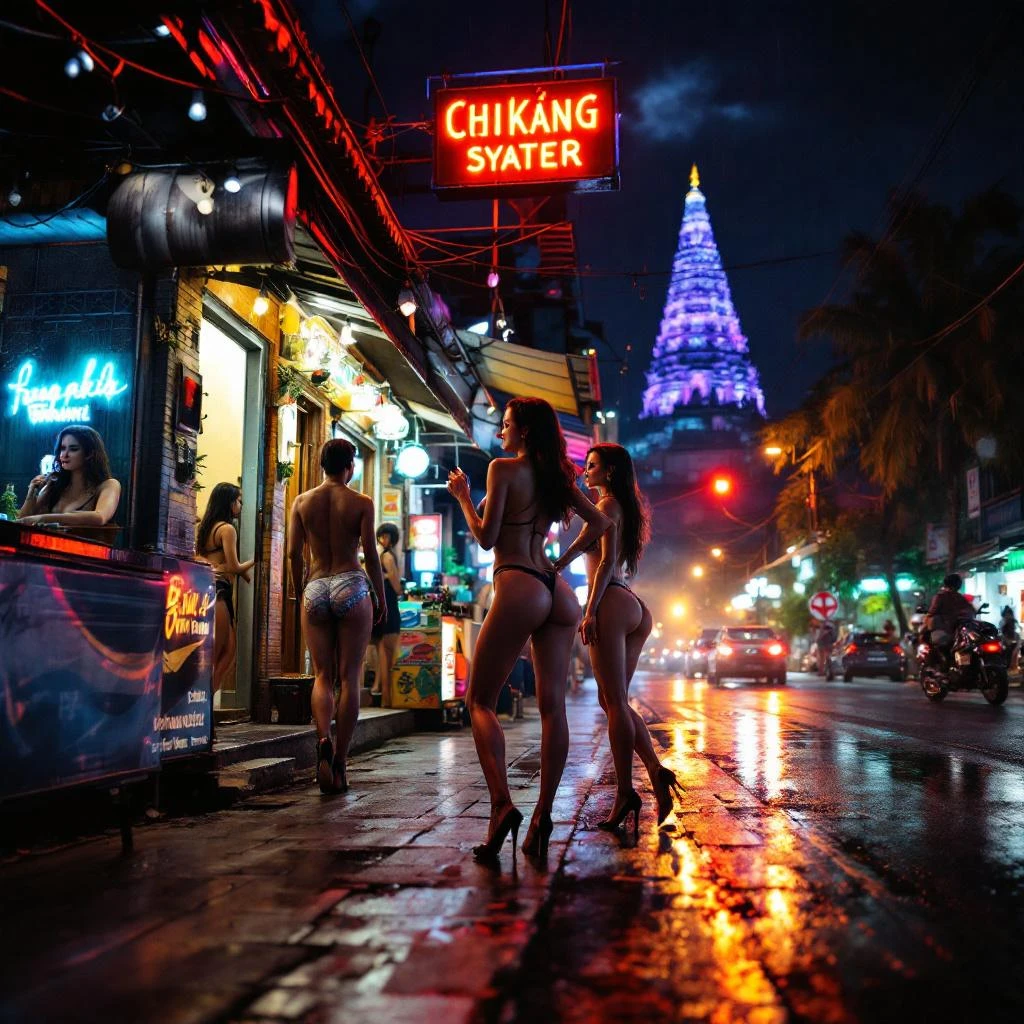
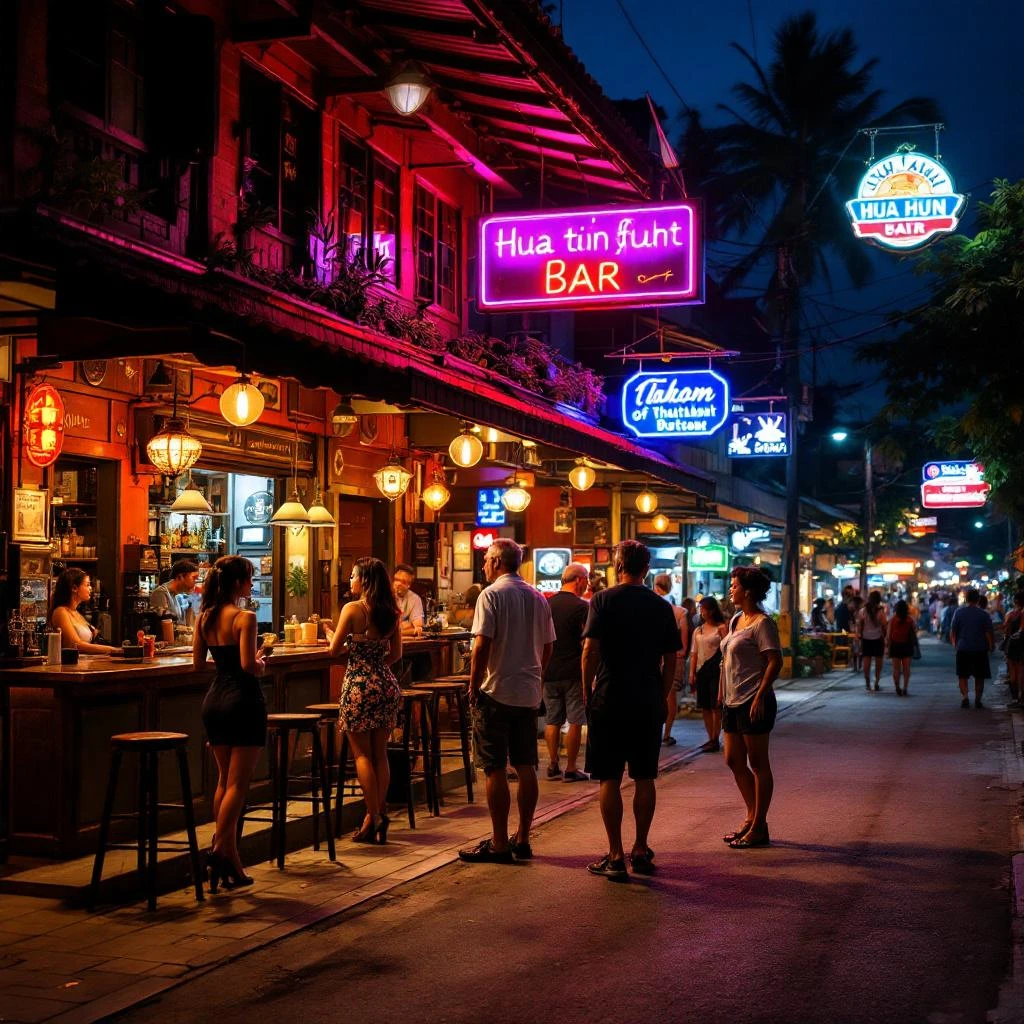
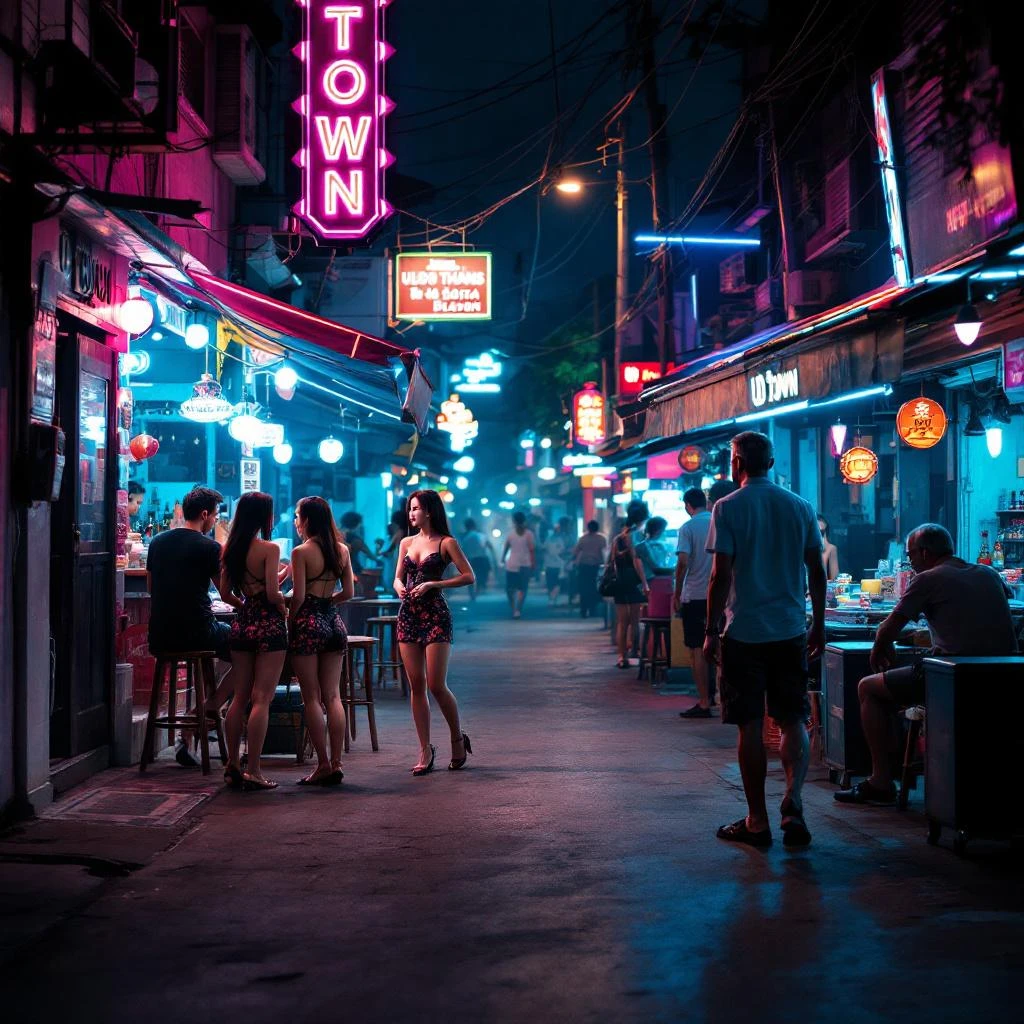
Popular red light districts in Thailand
See all →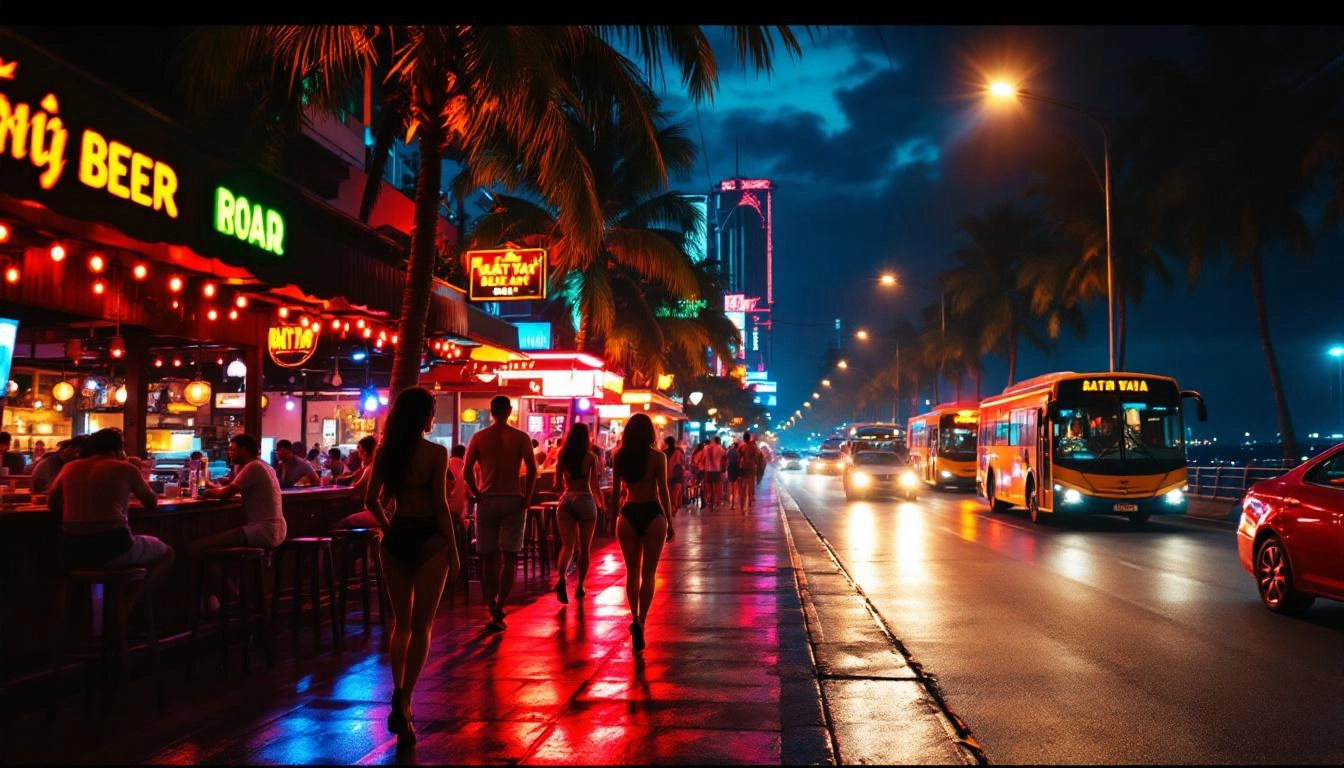
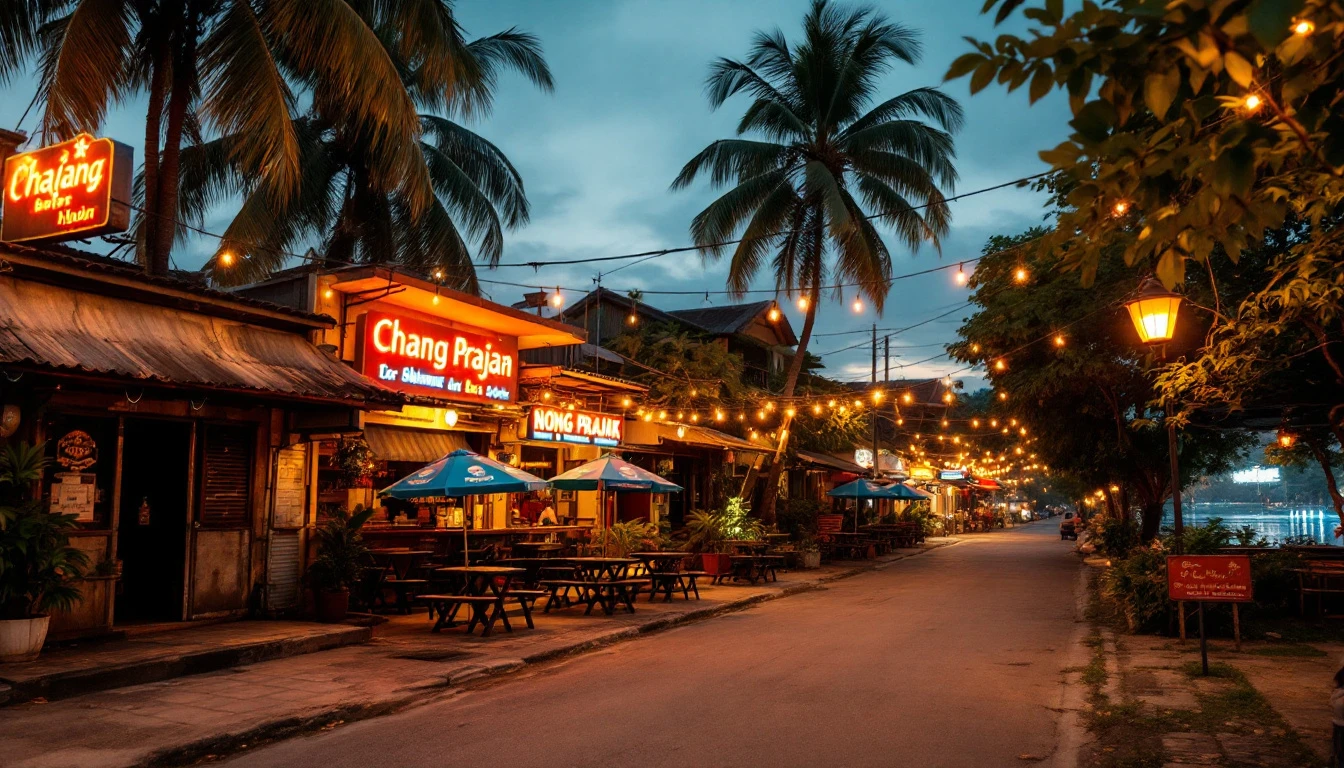
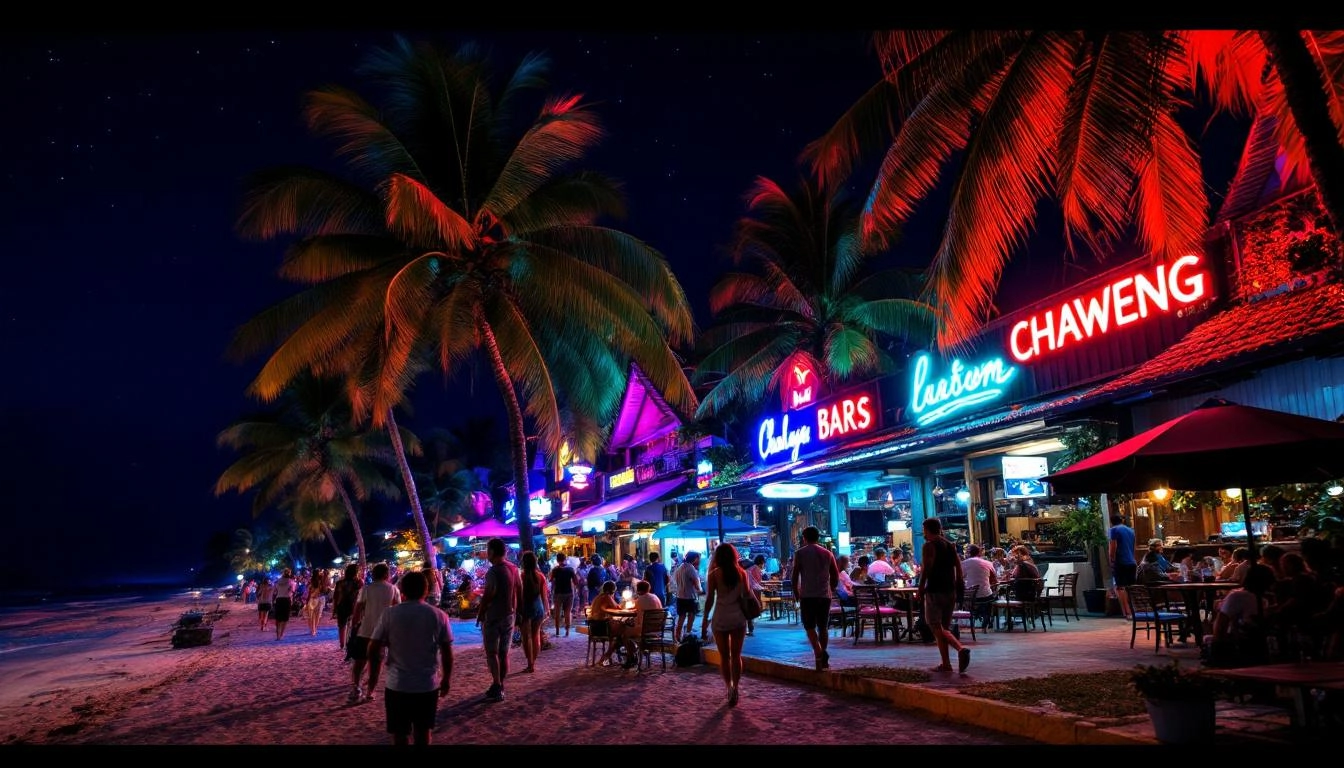
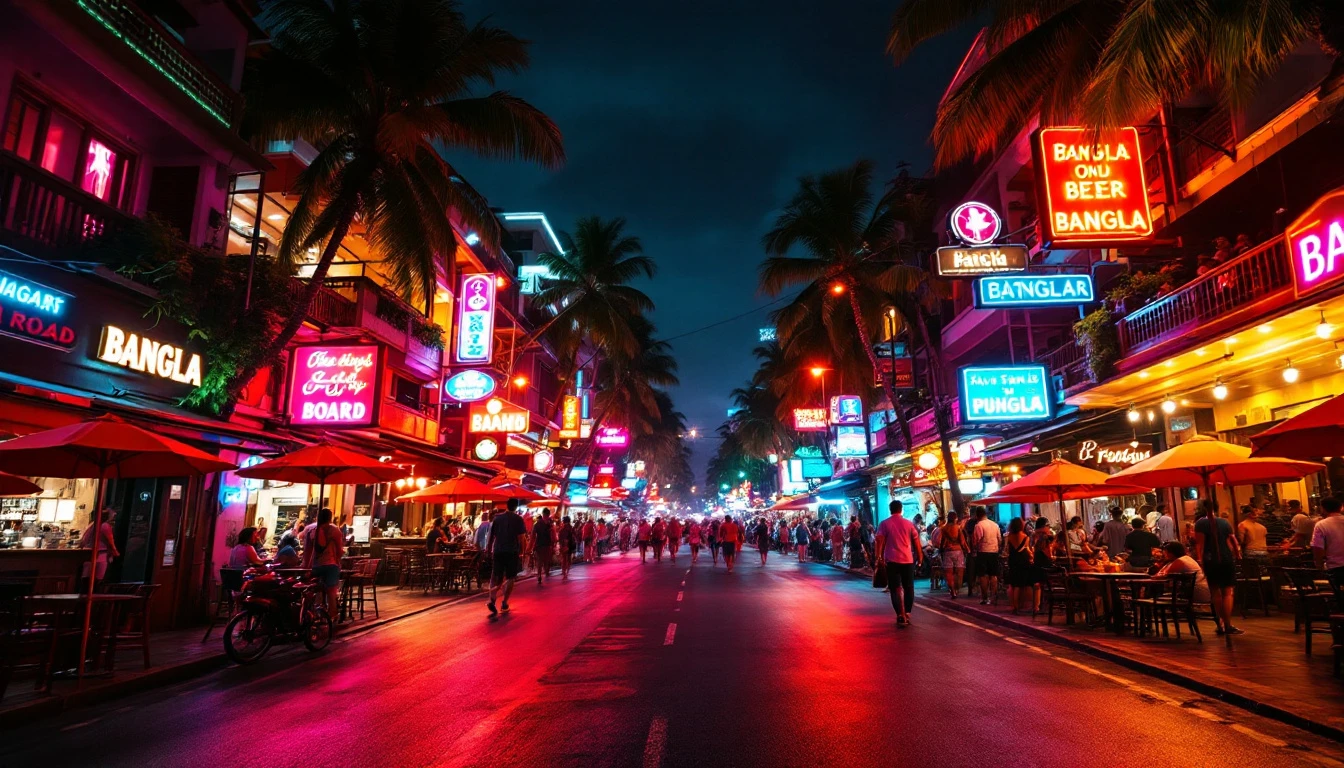
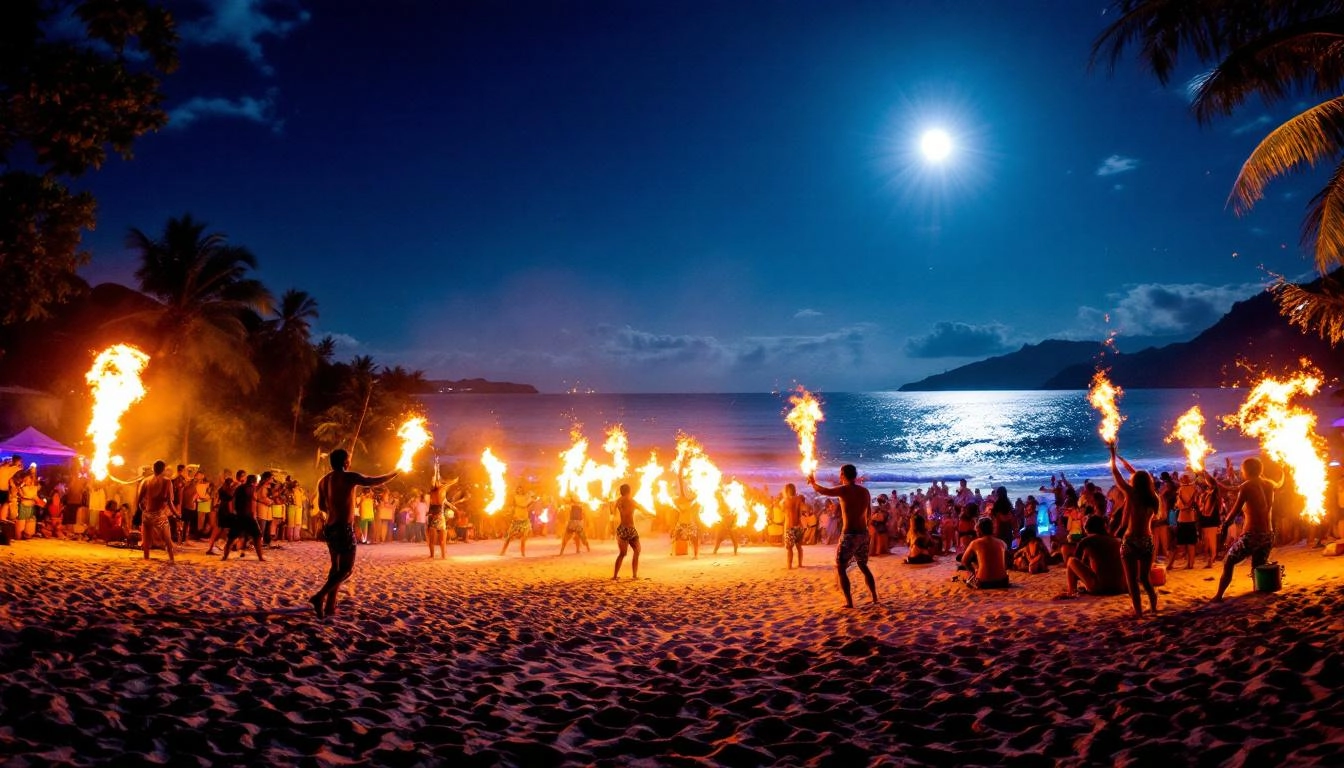
All Venues
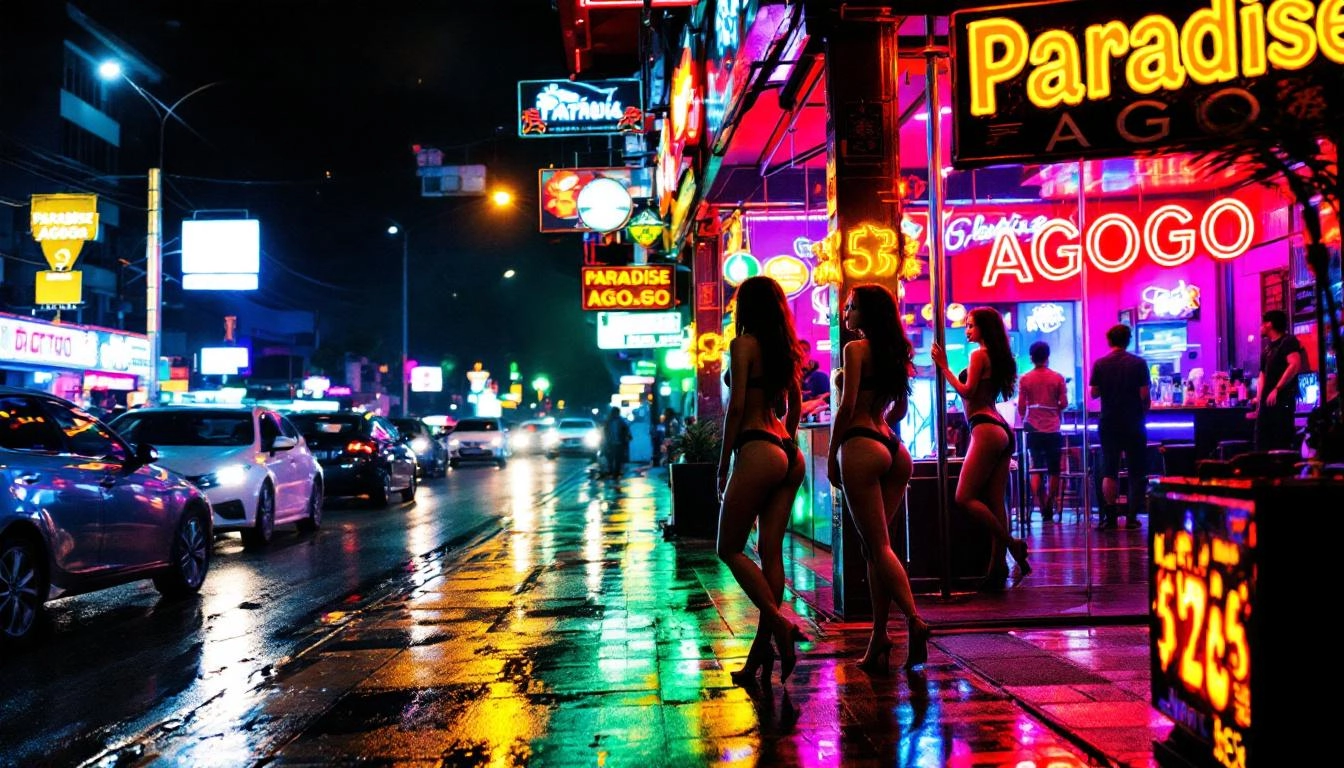

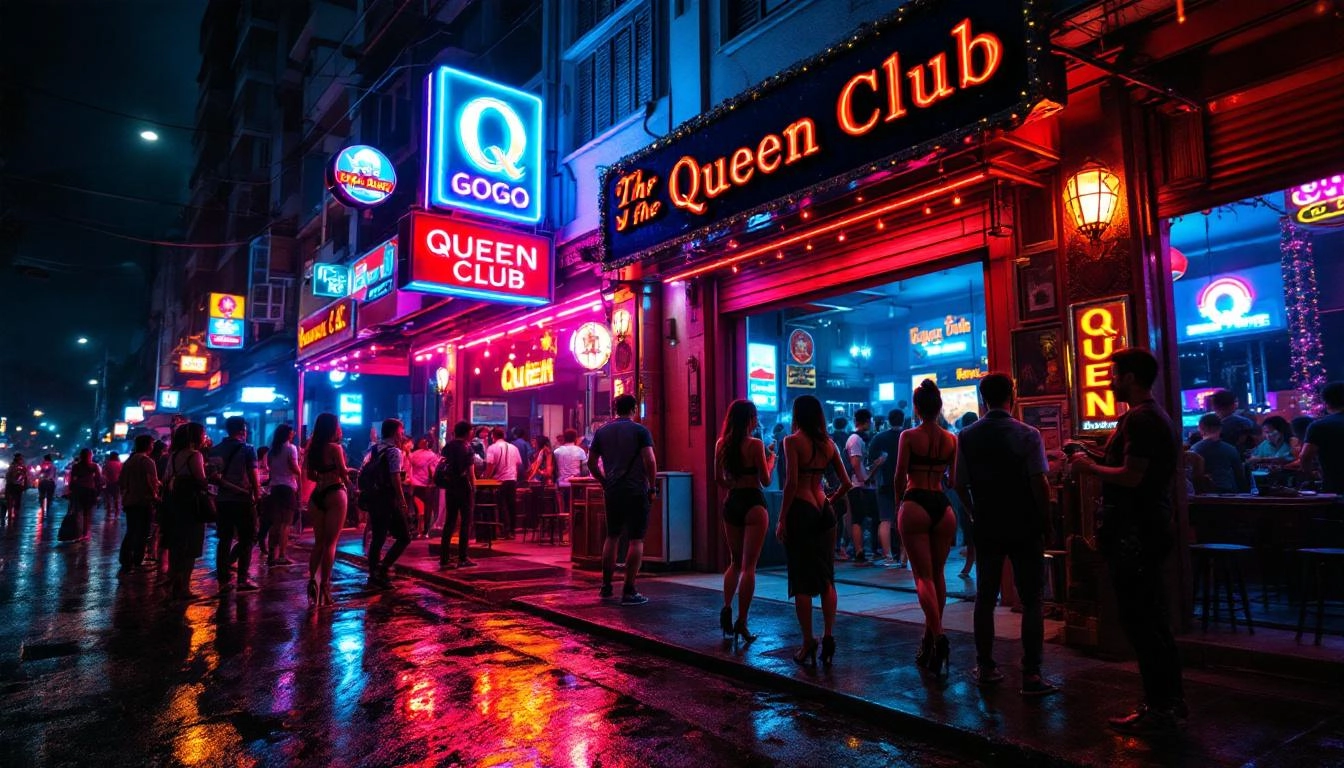
Overview
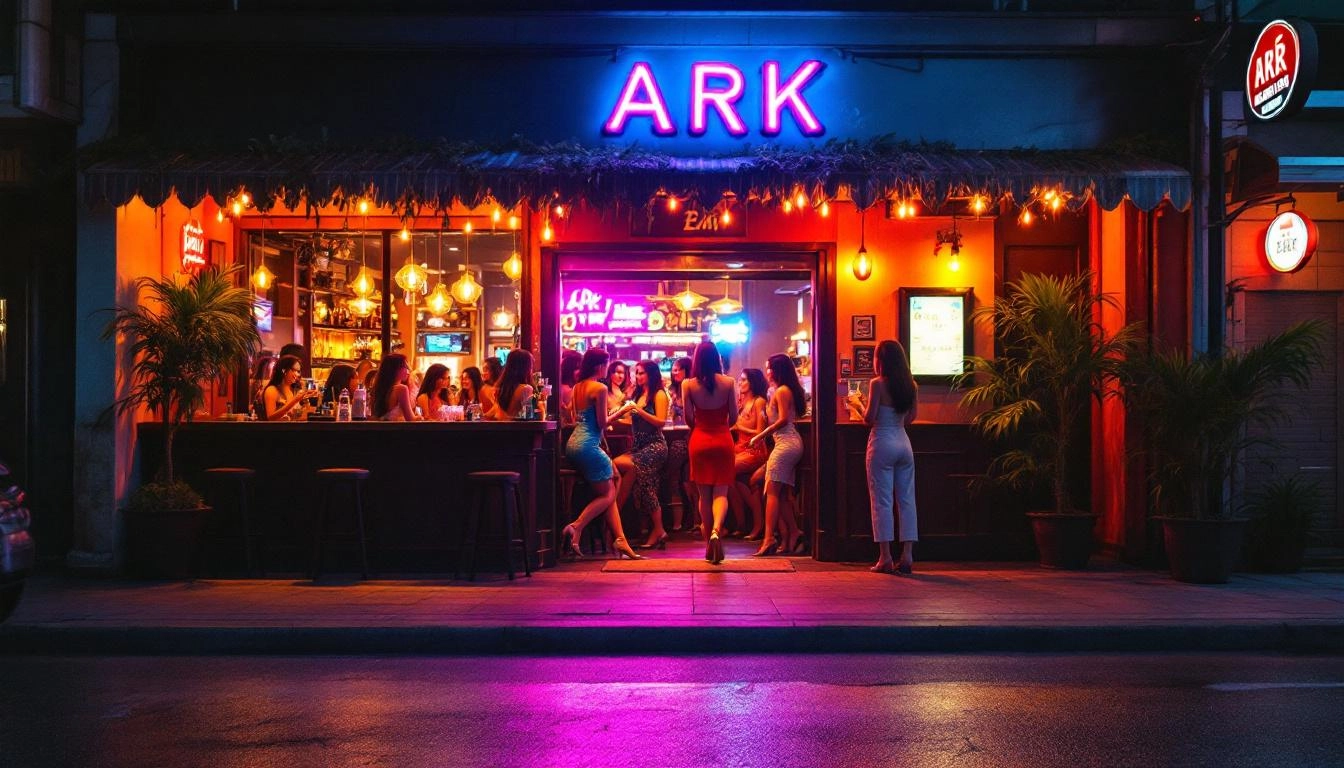
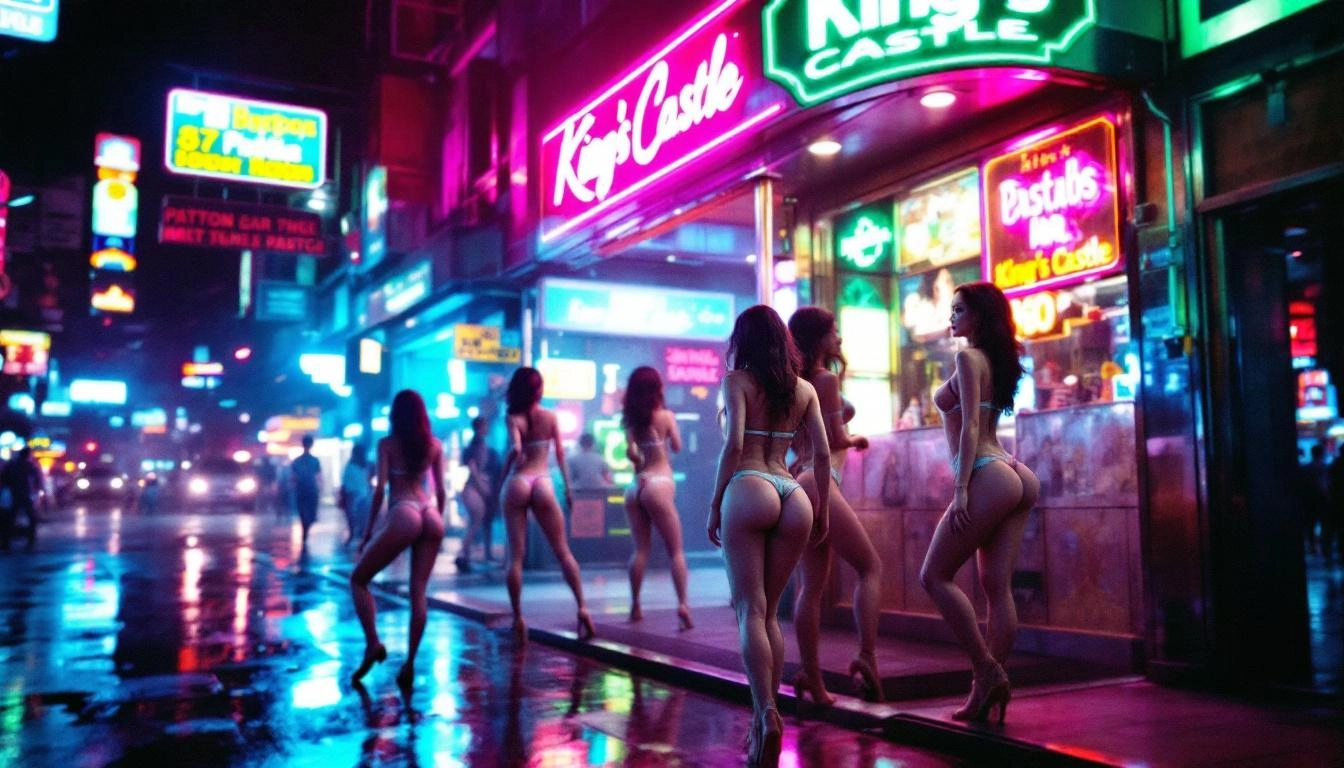
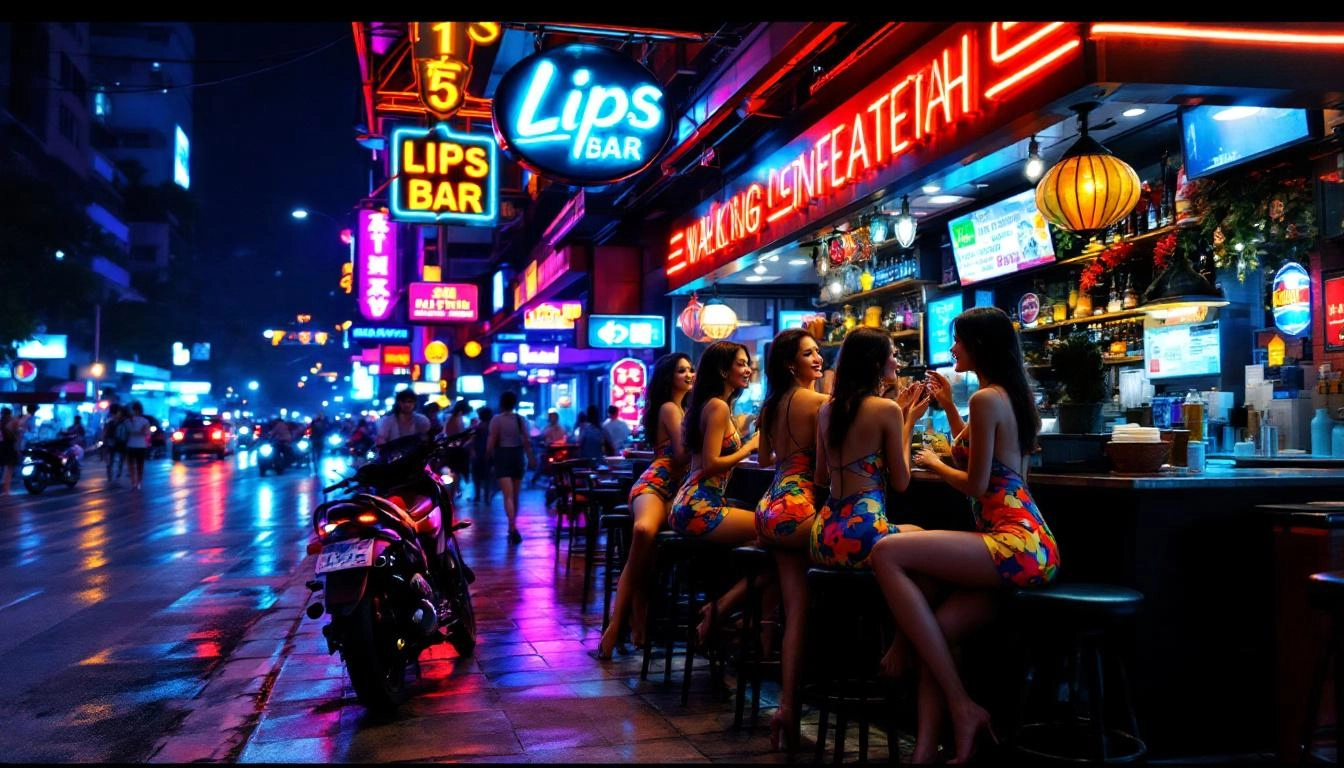
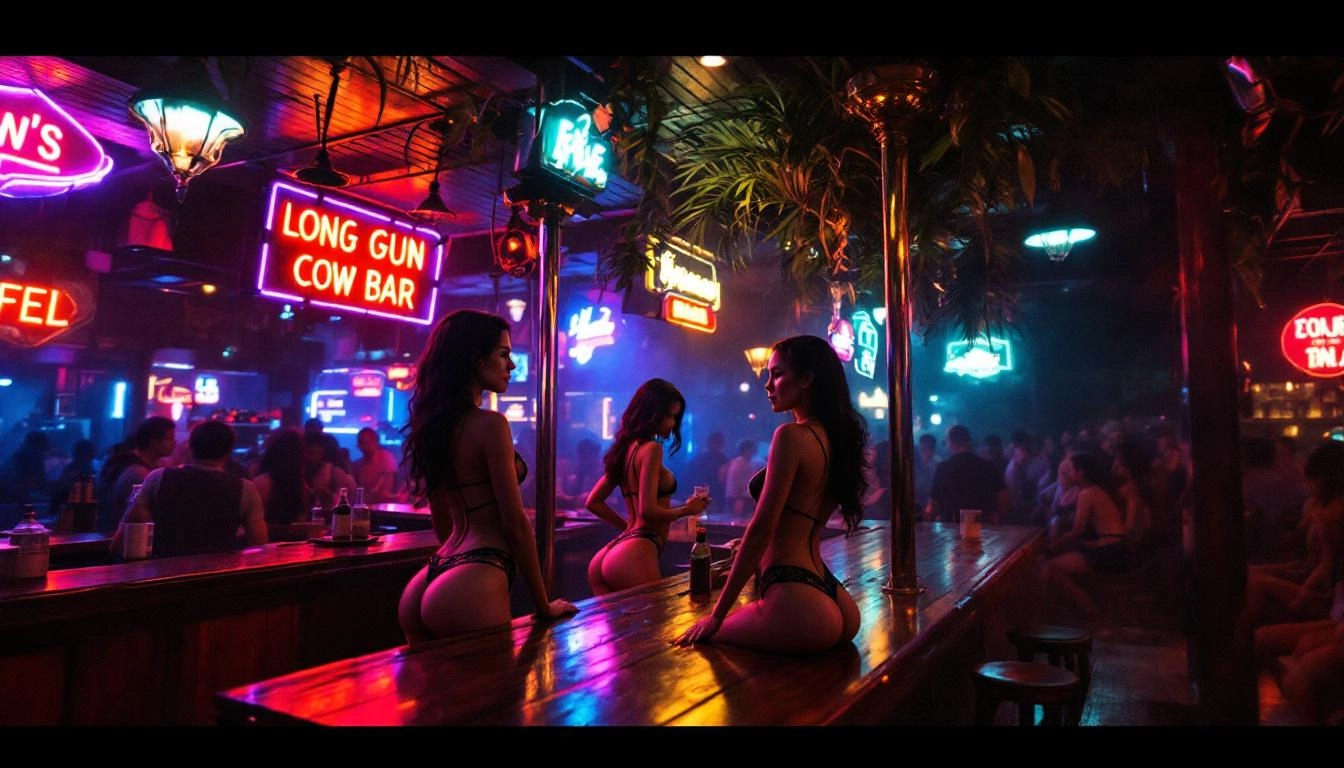
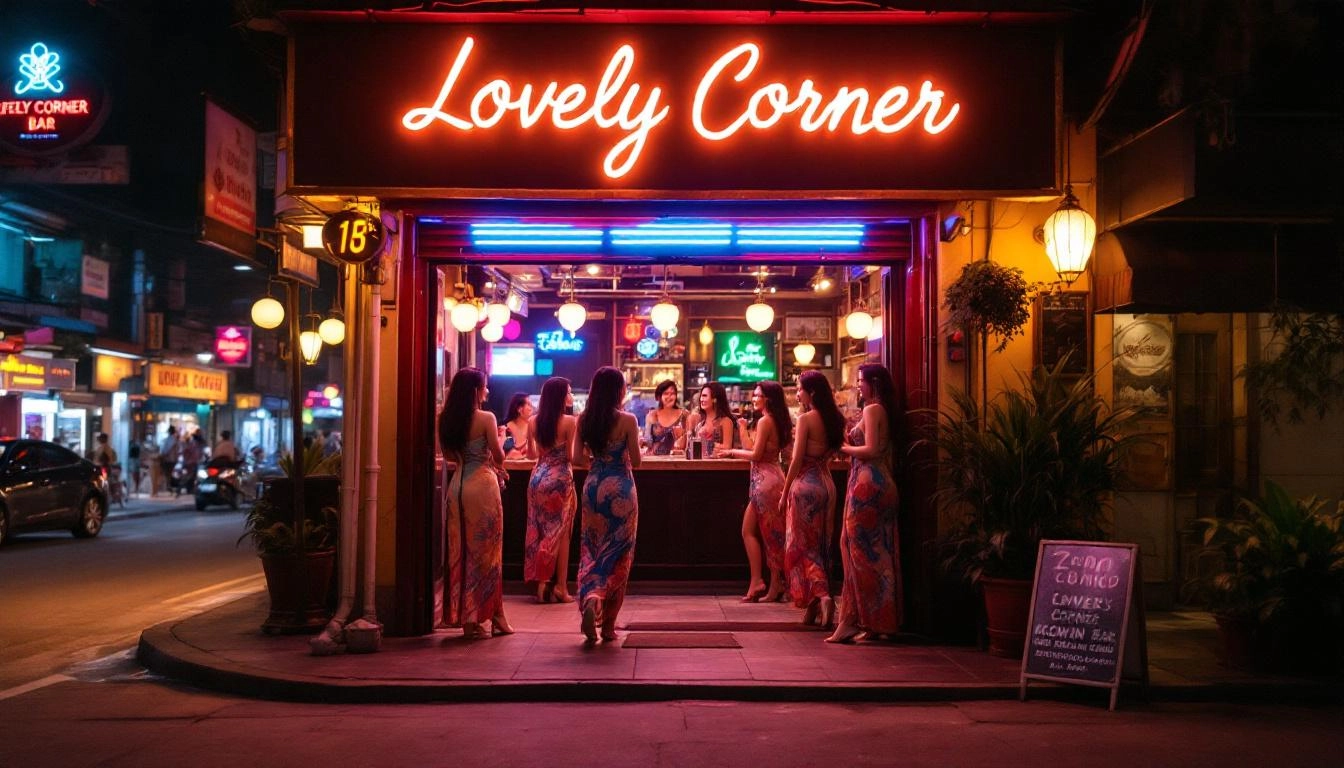
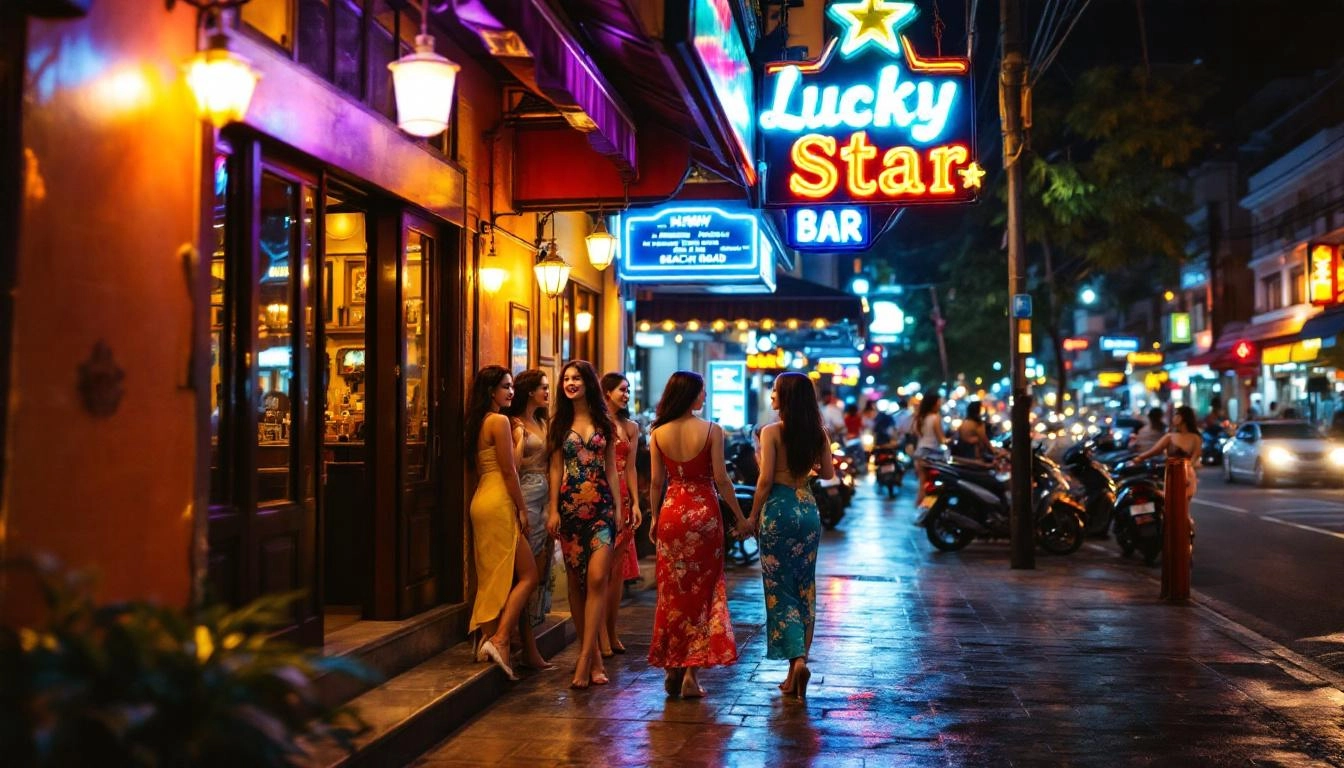
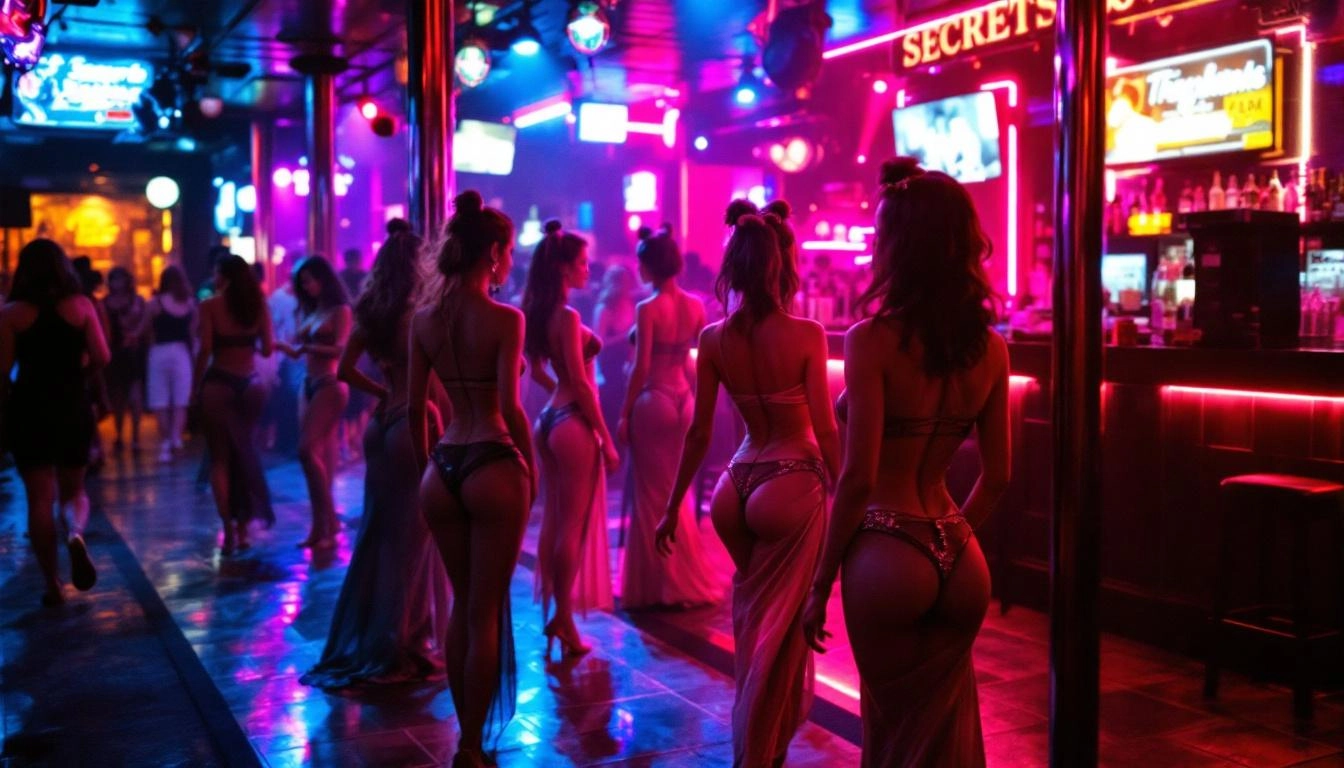
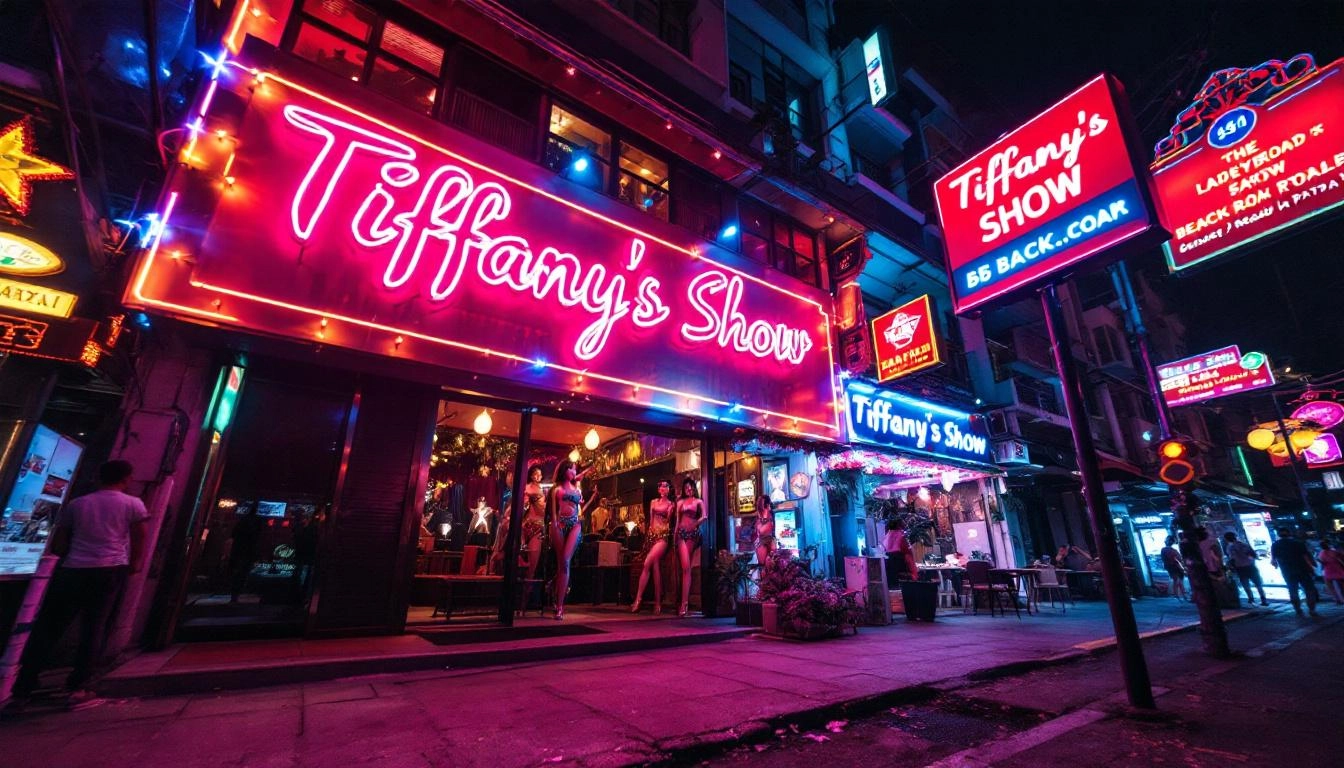
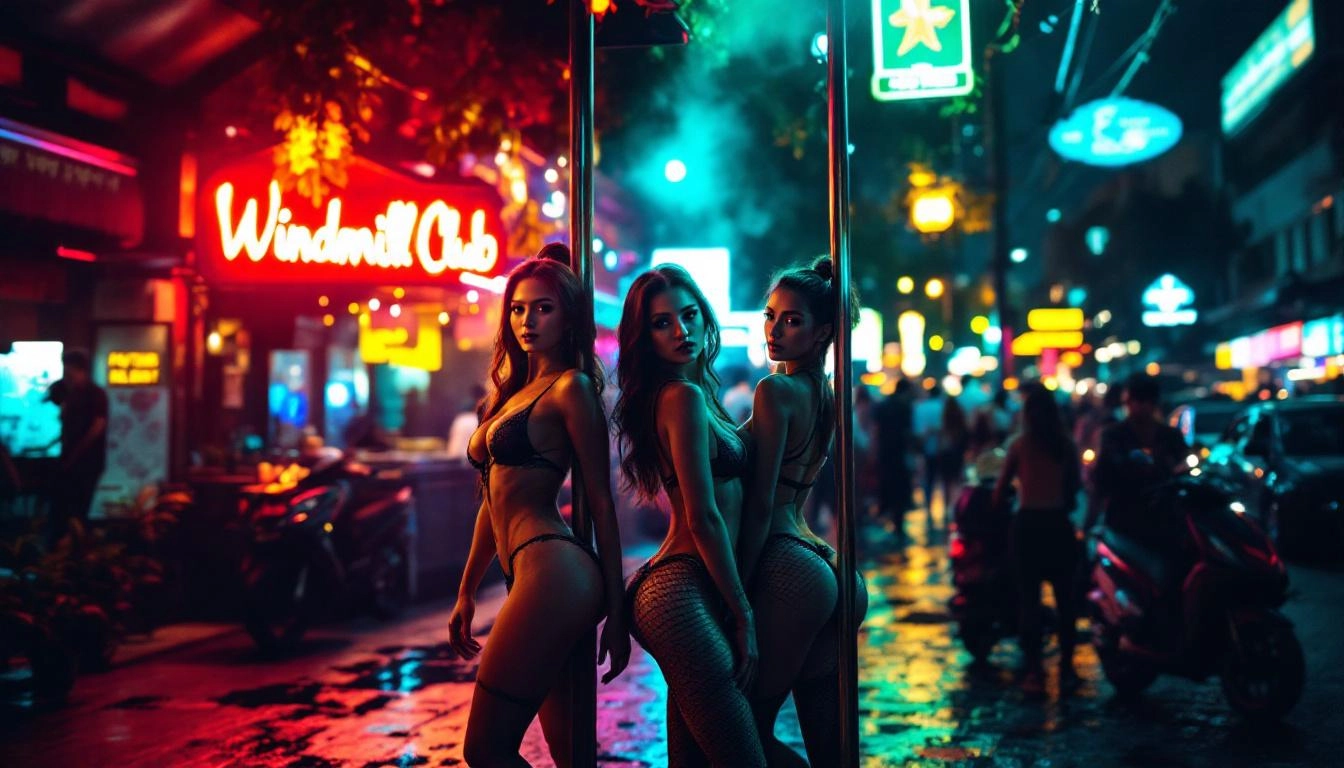
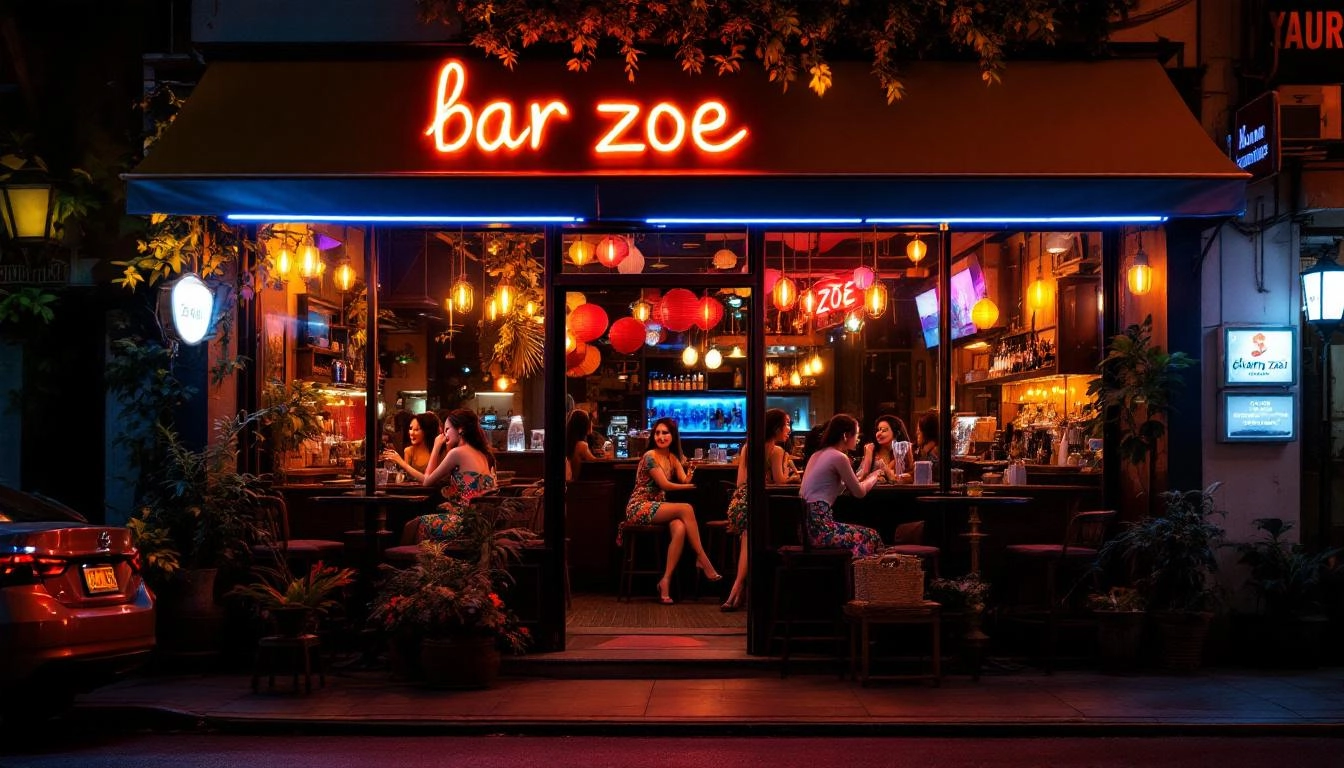
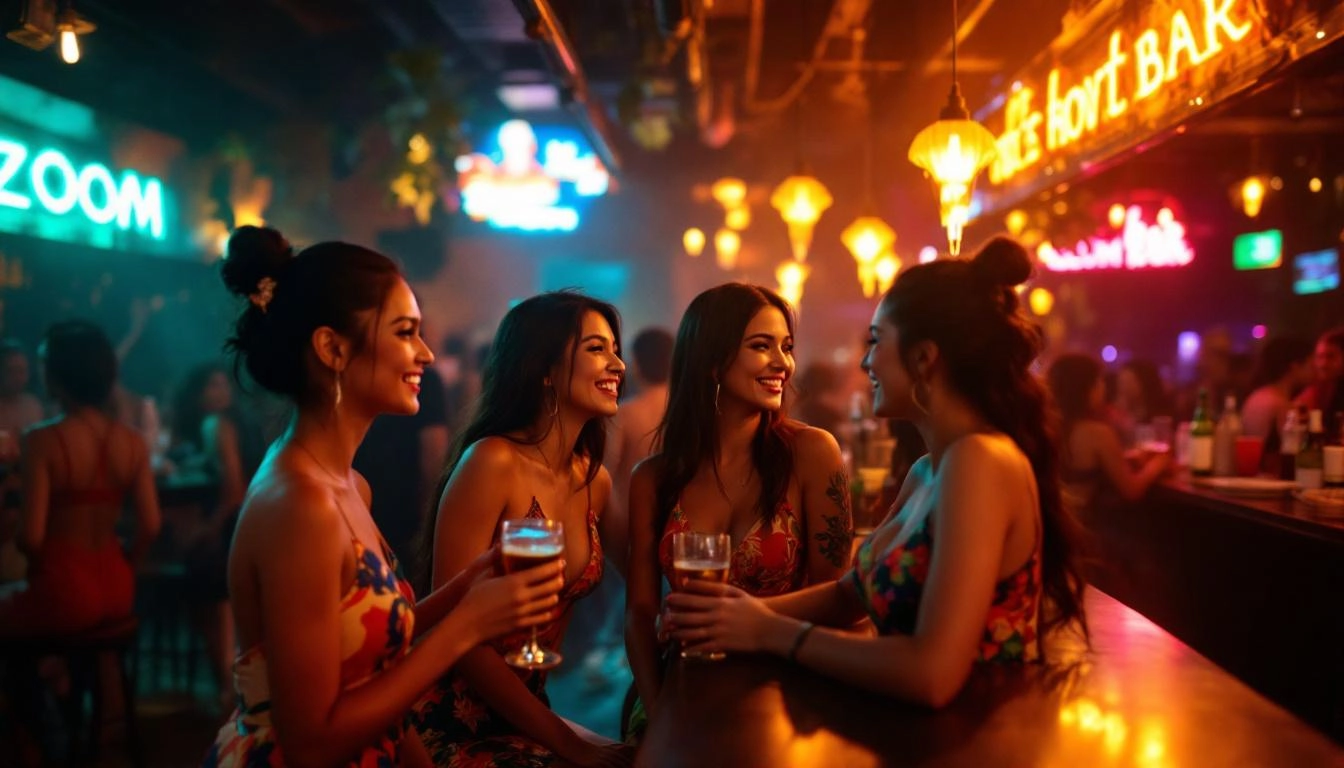
Thailand is the reference point. Every other country in this guide gets compared to it — the prices, the scene, the infrastructure, the attitudes. Bangkok and Pattaya have been the benchmark for adult tourism in Southeast Asia for decades, and they still are. Not because nothing else exists, but because the combination of scale, accessibility, and price-to-quality ratio hasn't been matched.
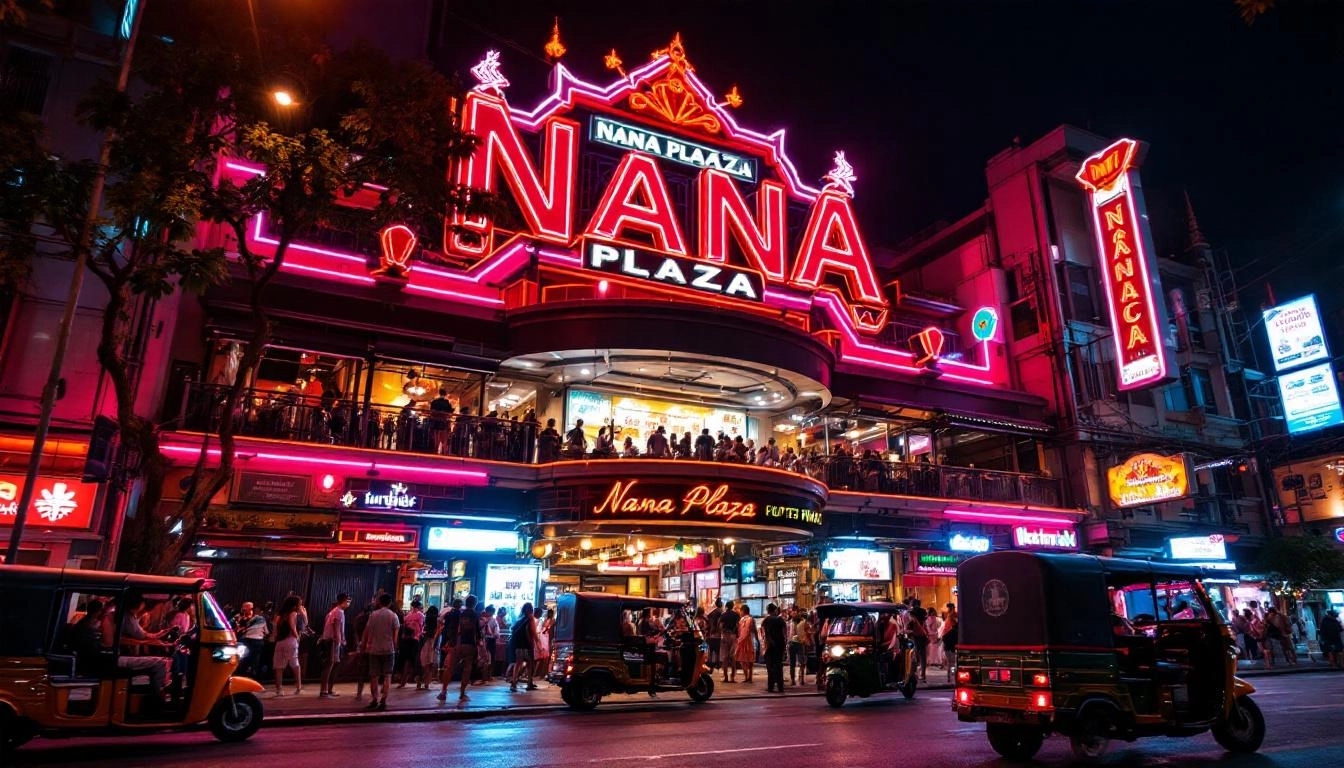
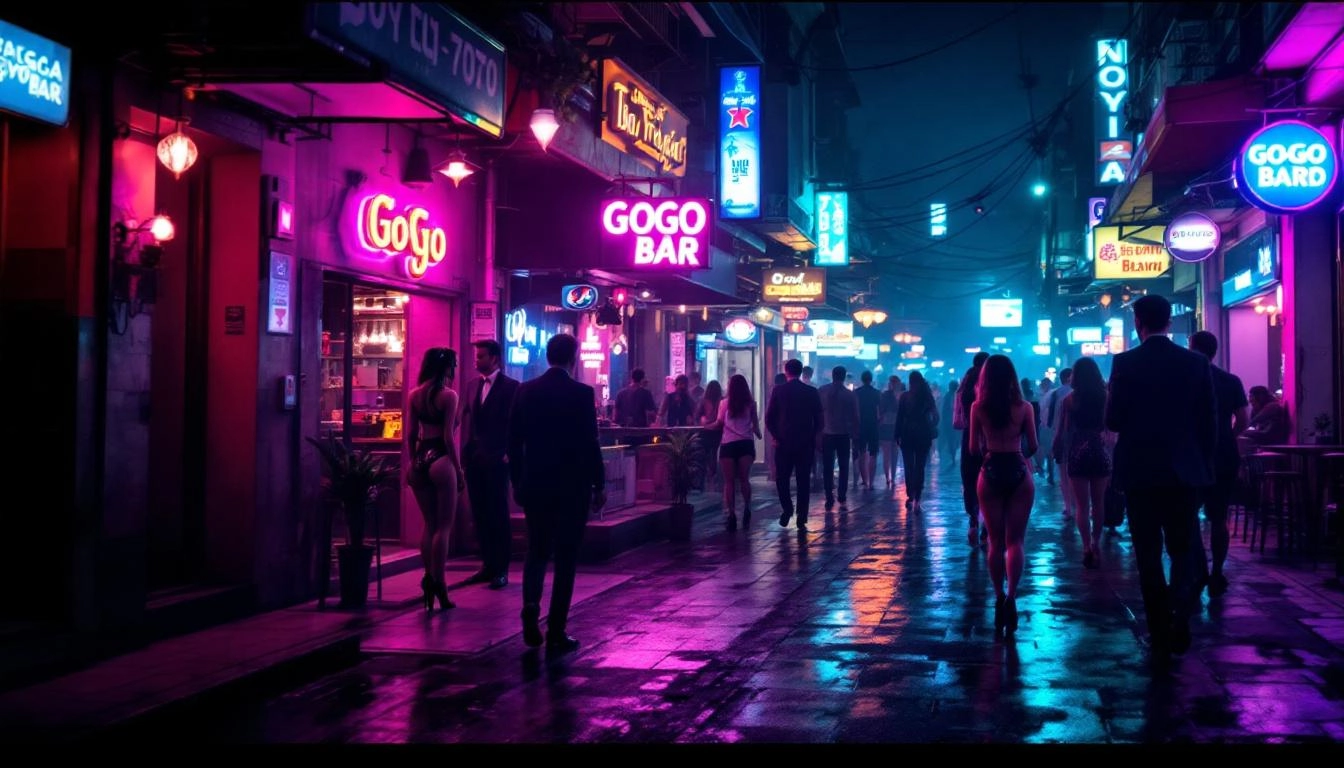
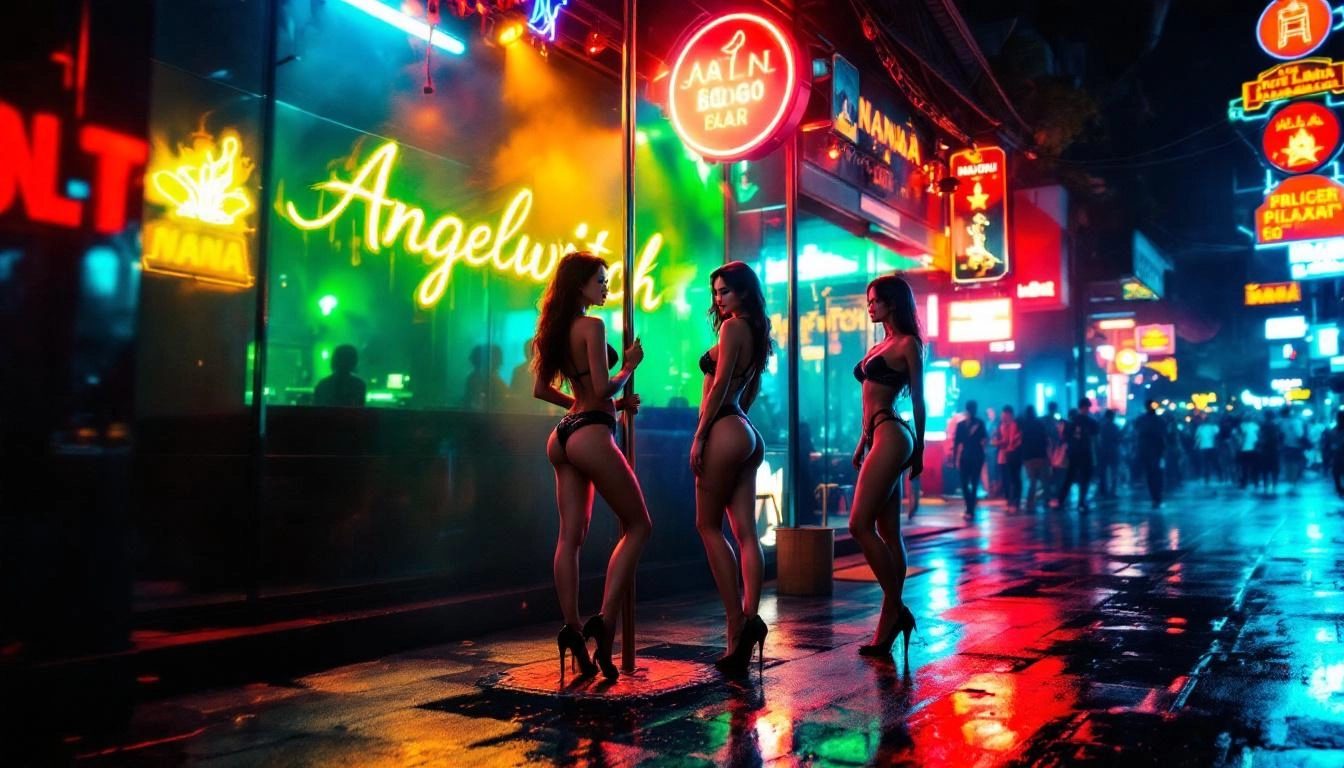
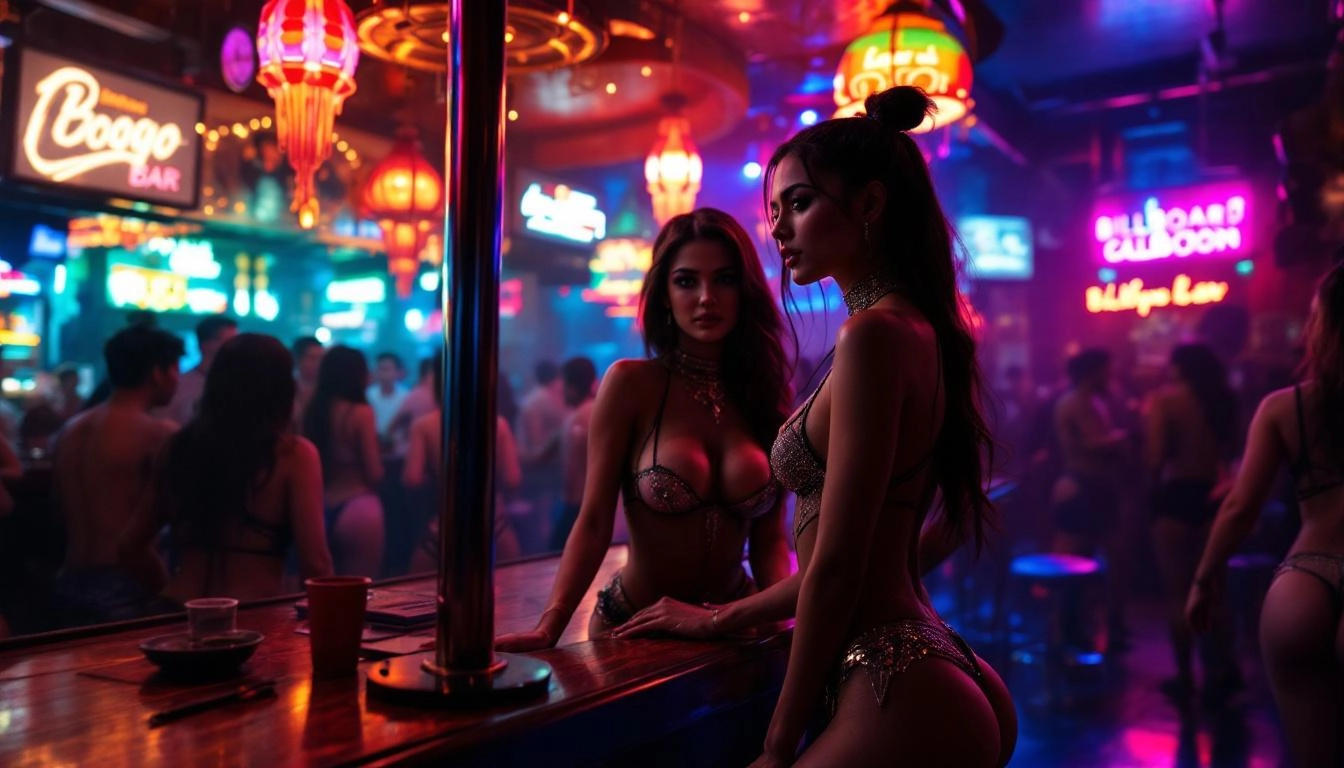
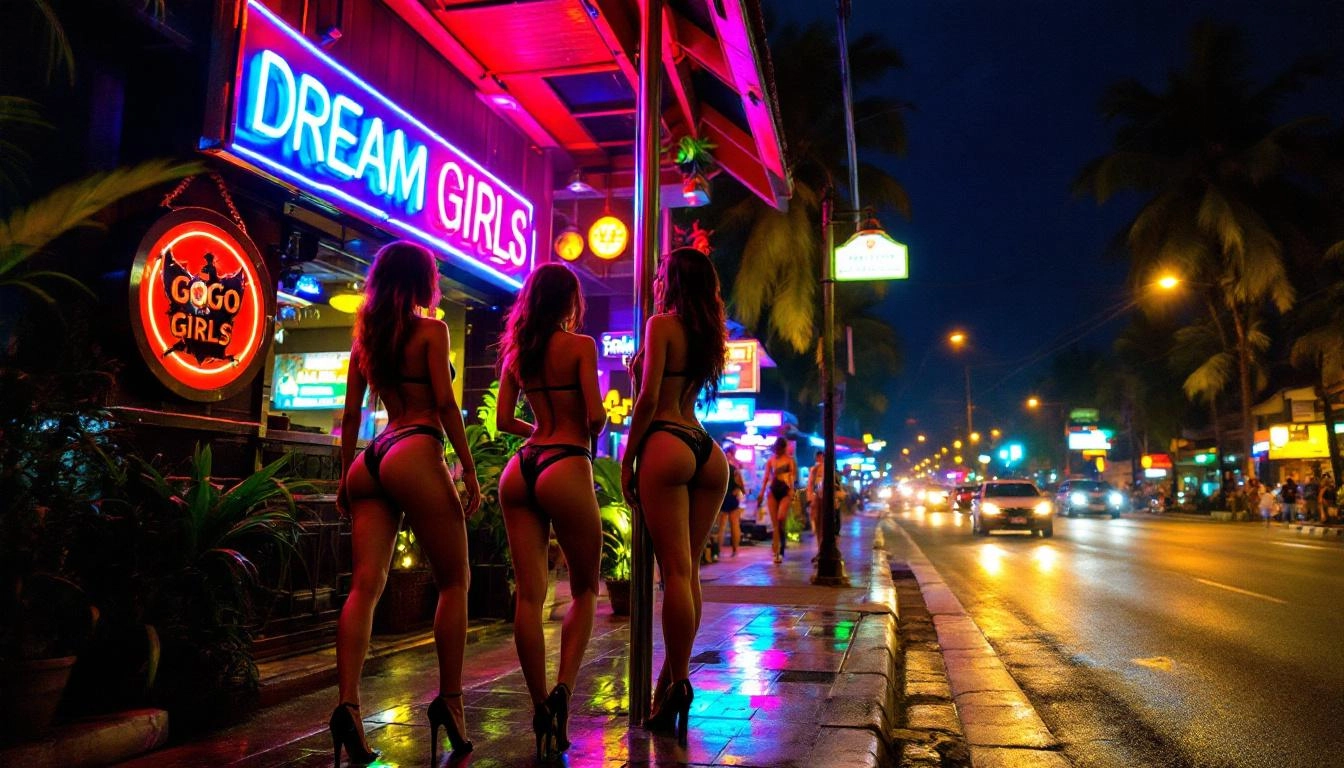
What makes Thailand different is that the industry operates with a level of professionalism you don't find elsewhere in the region. GoGo bars run to schedules. Barfines are posted prices. The transport links work. The hotels understand what their guests are doing and have made their peace with it. You can land in Bangkok with no preparation, take the BTS to Sukhumvit, and be inside Nana Plaza within an hour of clearing customs.
The women
Thailand has roughly 70 million people, around 11 million of them in greater Bangkok. The national sex ratio is close to even, but the women working in tourist nightlife are overwhelmingly from the rural northeast — Isaan — and the north, drawn to Bangkok, Pattaya and Phuket by money that dwarfs farm or factory wages back home. Most are in their twenties, and many send a large share of what they earn back to family.
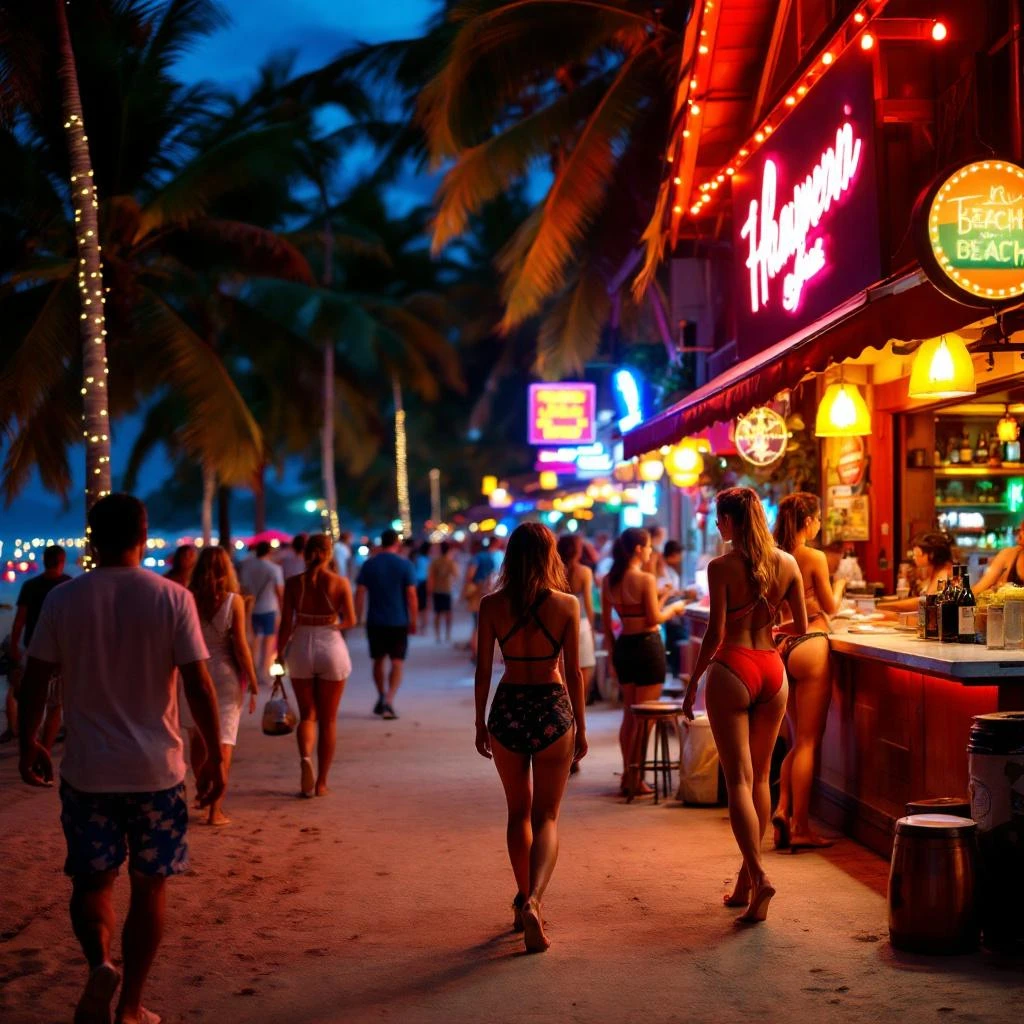
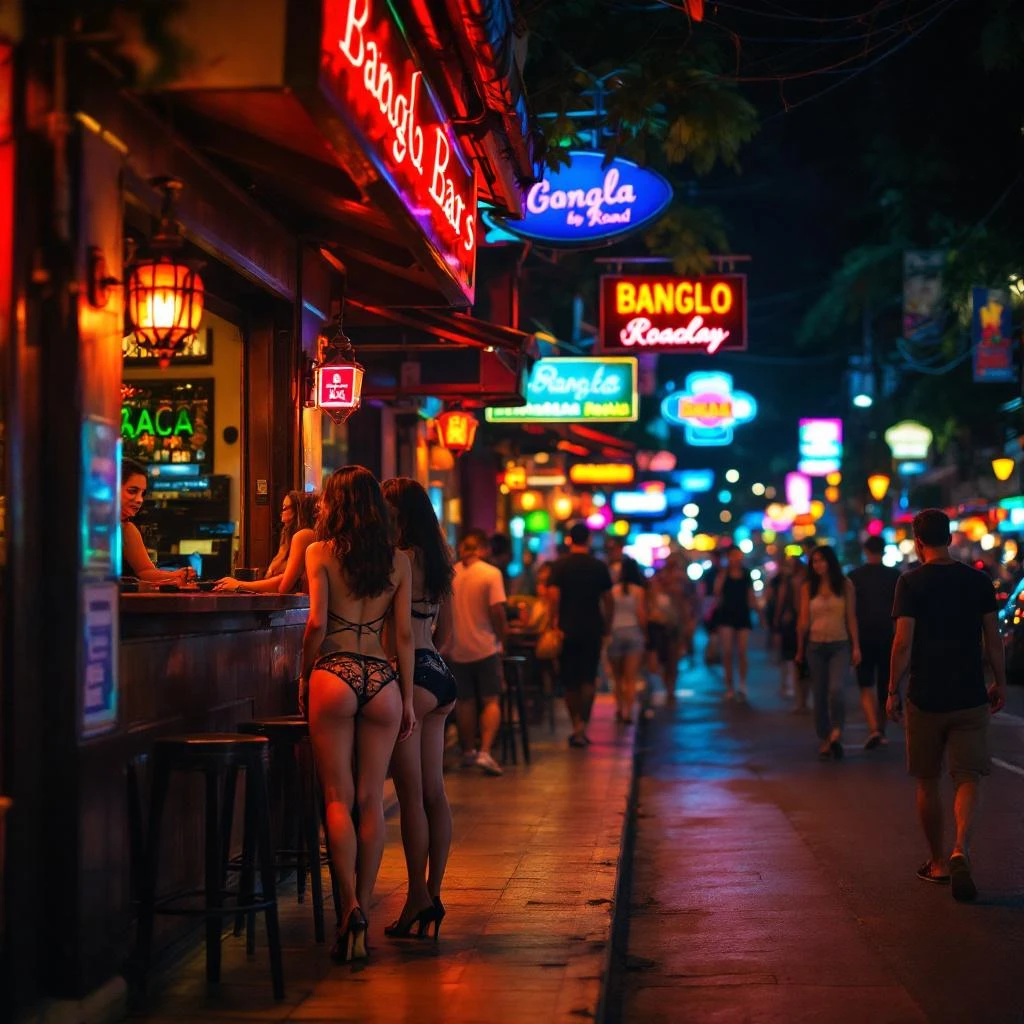
The reputation for friendliness is earned. Thai service culture is warm and low-pressure next to most of its neighbours, and the language barrier is smaller in the nightlife zones than anywhere else in the region — bar staff in Sukhumvit, on Walking Street and along Bangla Road speak functional English, often more. The mix of genuine warmth, low hassle and sheer choice is a big part of why Thailand stays the regional benchmark.
Legal landscape
The legal position is straightforward: prostitution is technically illegal, openly tolerated in designated tourist zones, and functionally decriminalised for practical purposes. The Thai government has no interest in shutting down an industry that supports hundreds of thousands of livelihoods and generates billions in tourism revenue each year. Police presence in Sukhumvit, Pattaya's Walking Street, and Patong's Bangla Road is mostly cosmetic — the focus is keeping the peace, not making arrests.
In 2022, Thailand became the first country in Southeast Asia to legalise recreational cannabis. The country is moving toward a more open stance, not a more restrictive one. The combination — tolerated nightlife plus legal cannabis — makes Thailand the most permissive destination in the region by a wide margin.
Where to go
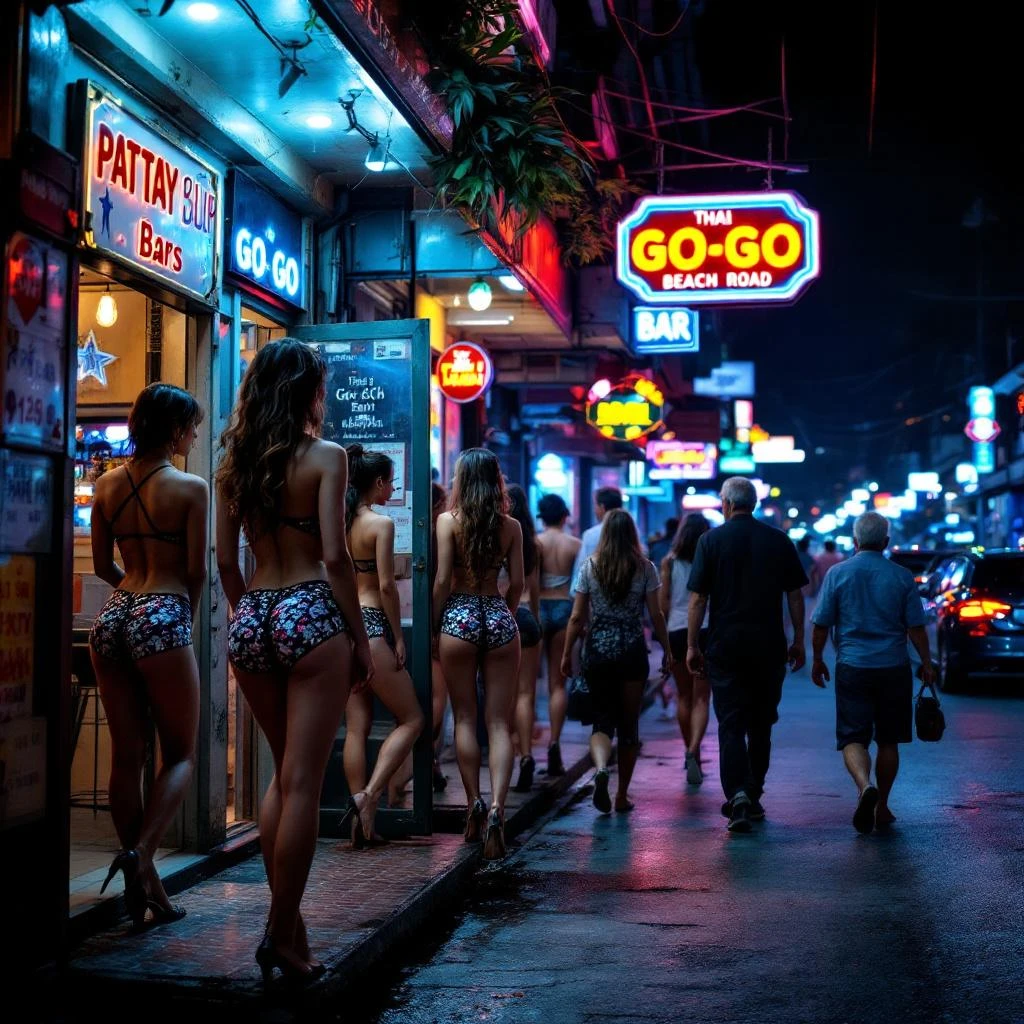
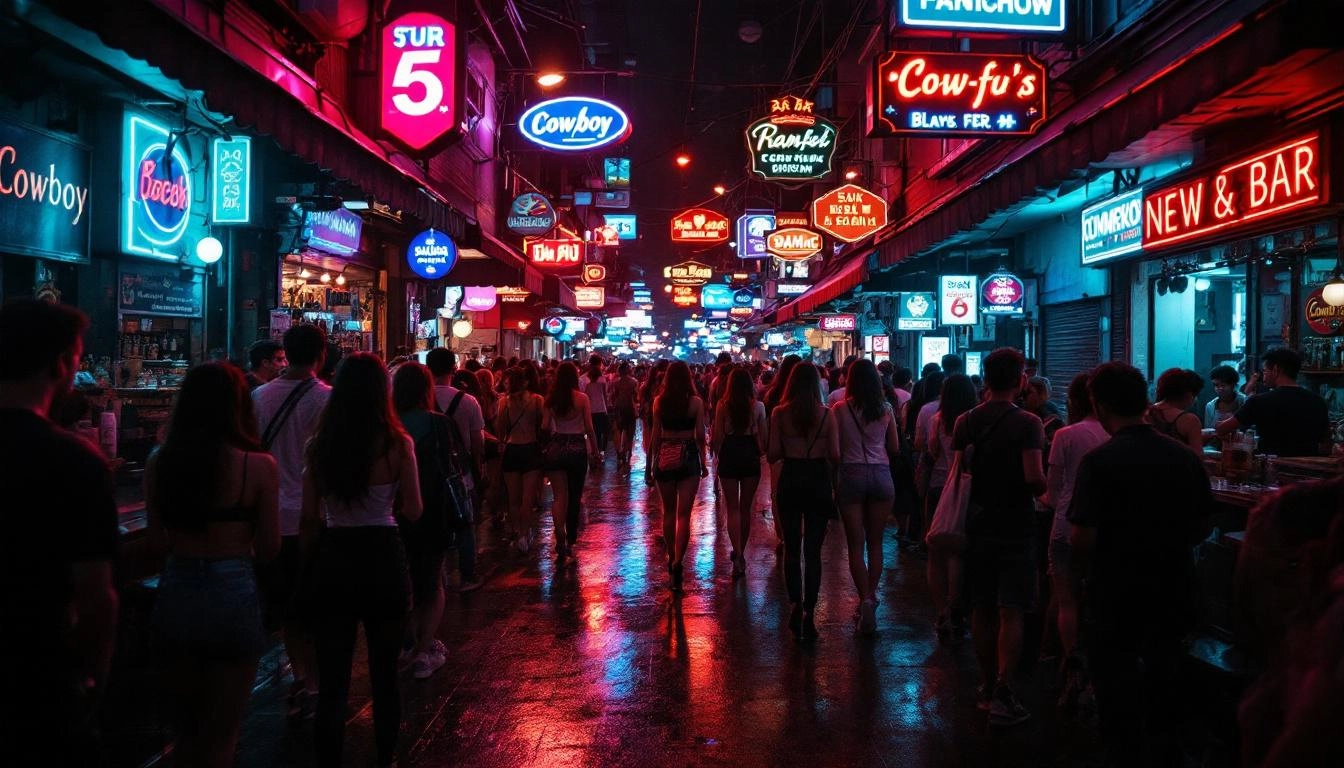
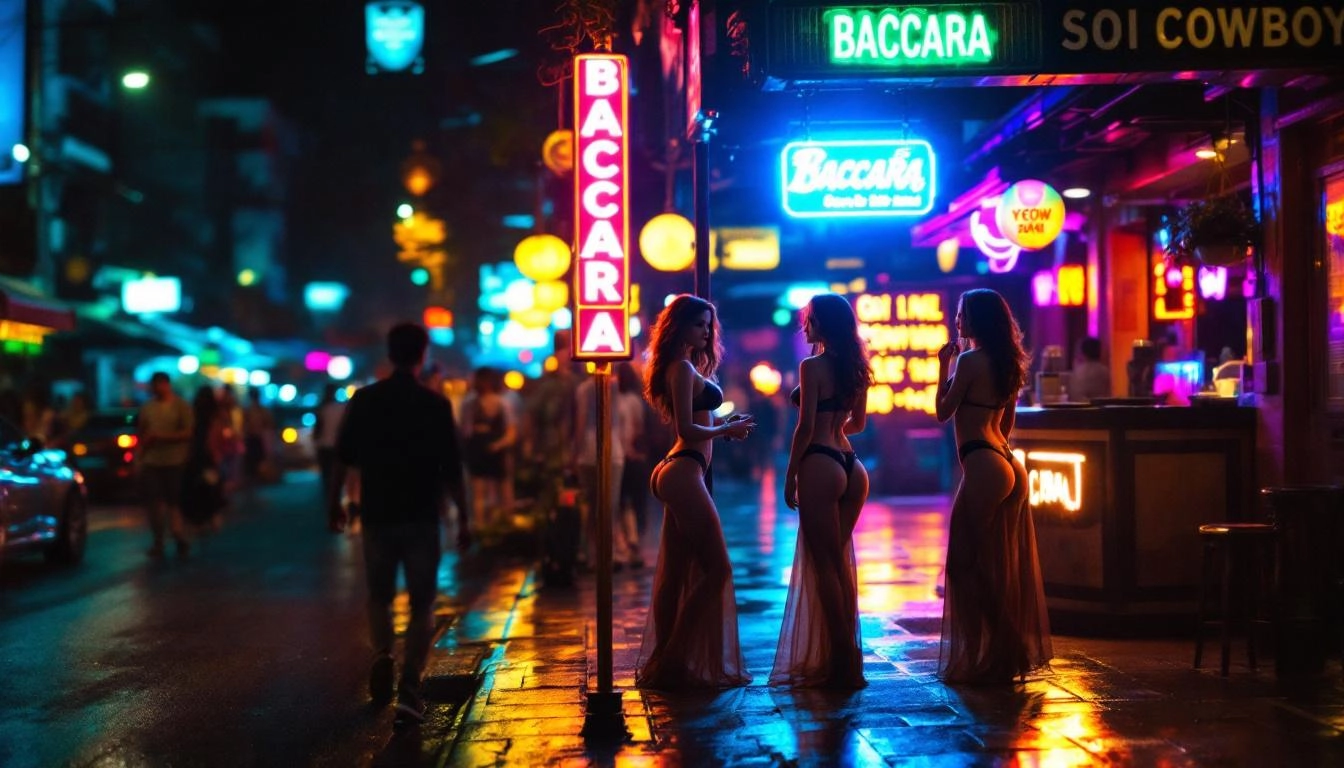
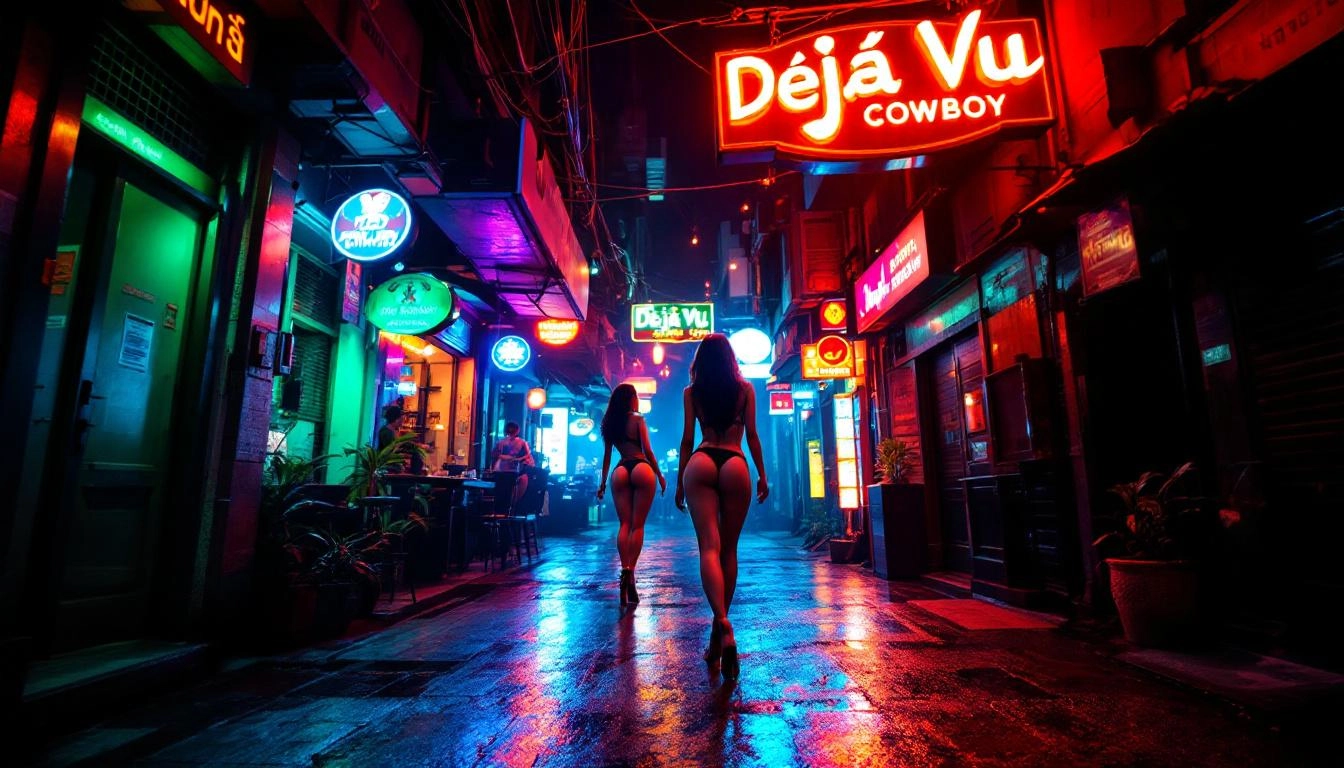
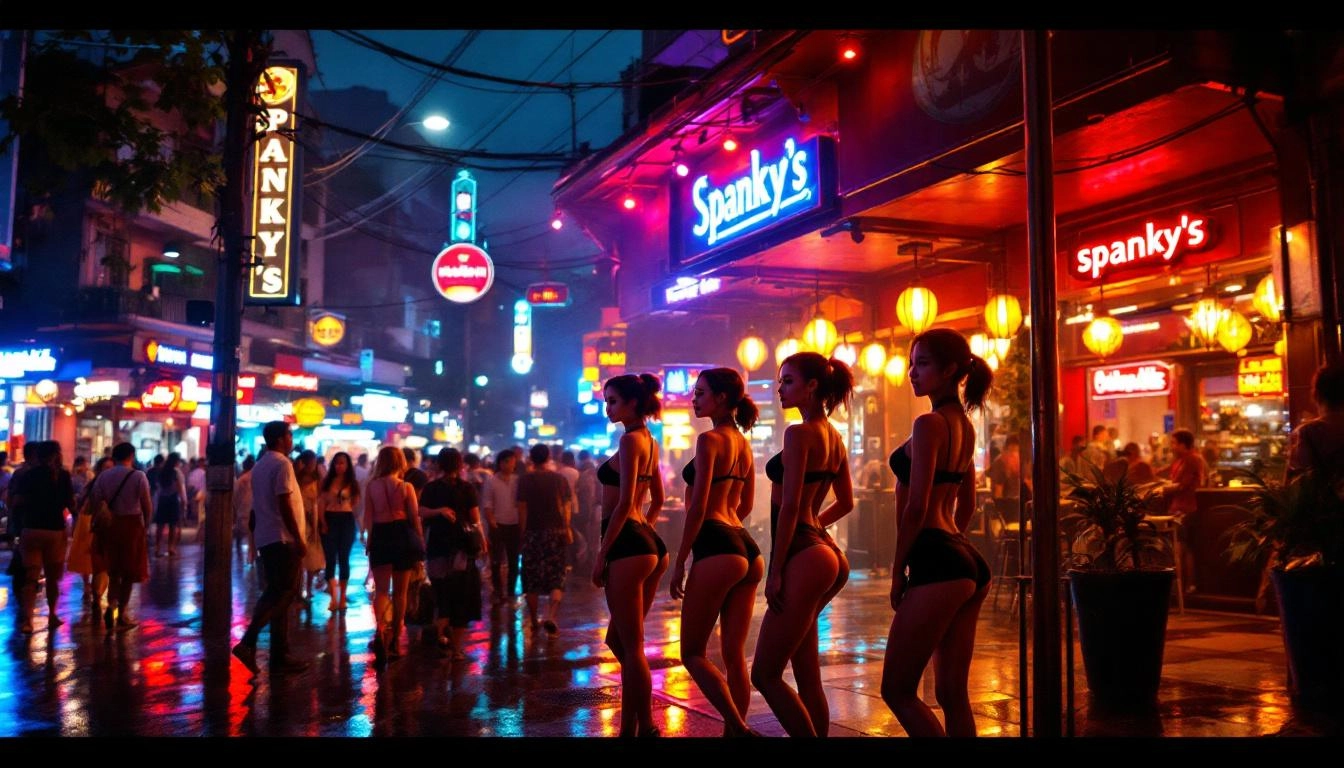
Two cities cover 90% of what most visitors come for. Bangkok has three major red-light districts within a 3km radius — Nana Plaza, Soi Cowboy, Patpong — and runs seven nights a week without an off-season. Pattaya is two hours south by car or bus — smaller, cheaper, rawer, built almost entirely around nightlife with Walking Street as its centre. Between them they account for the vast majority of adult tourism in Thailand.
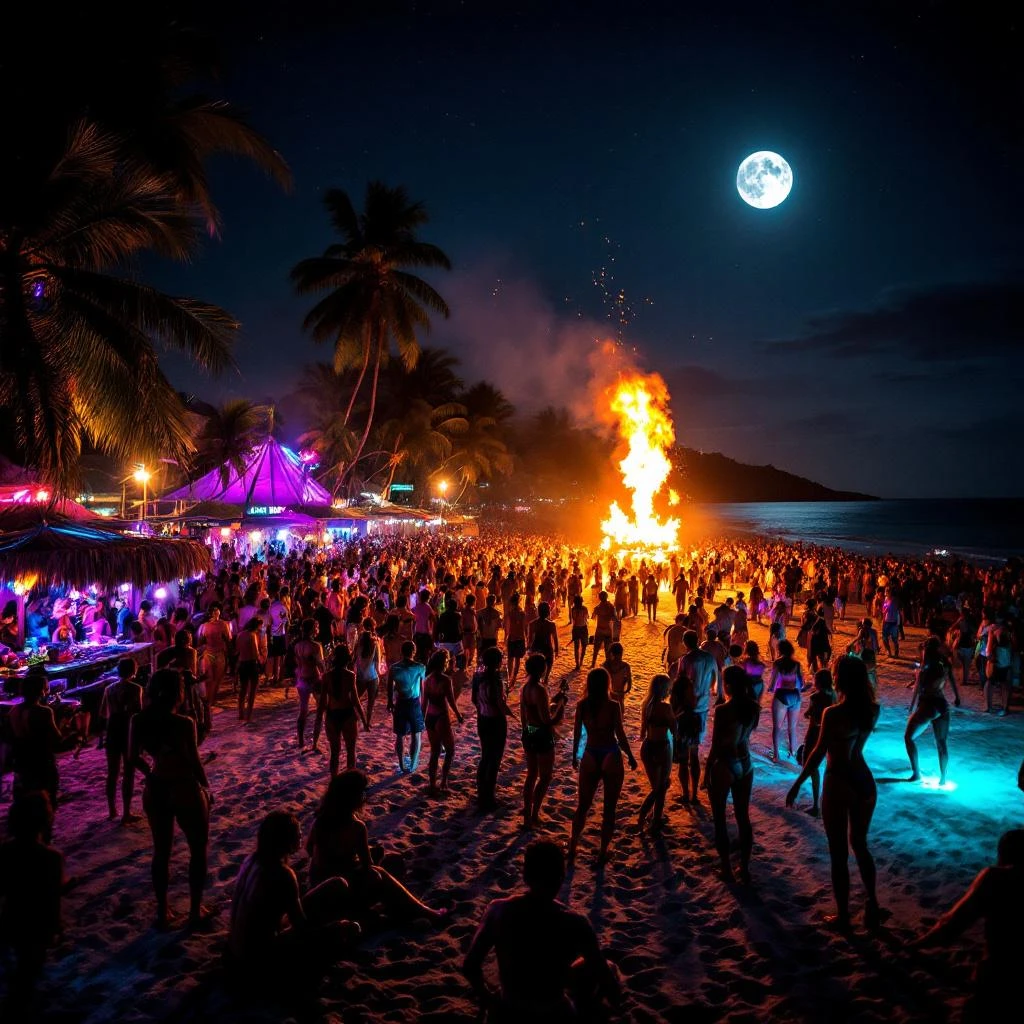
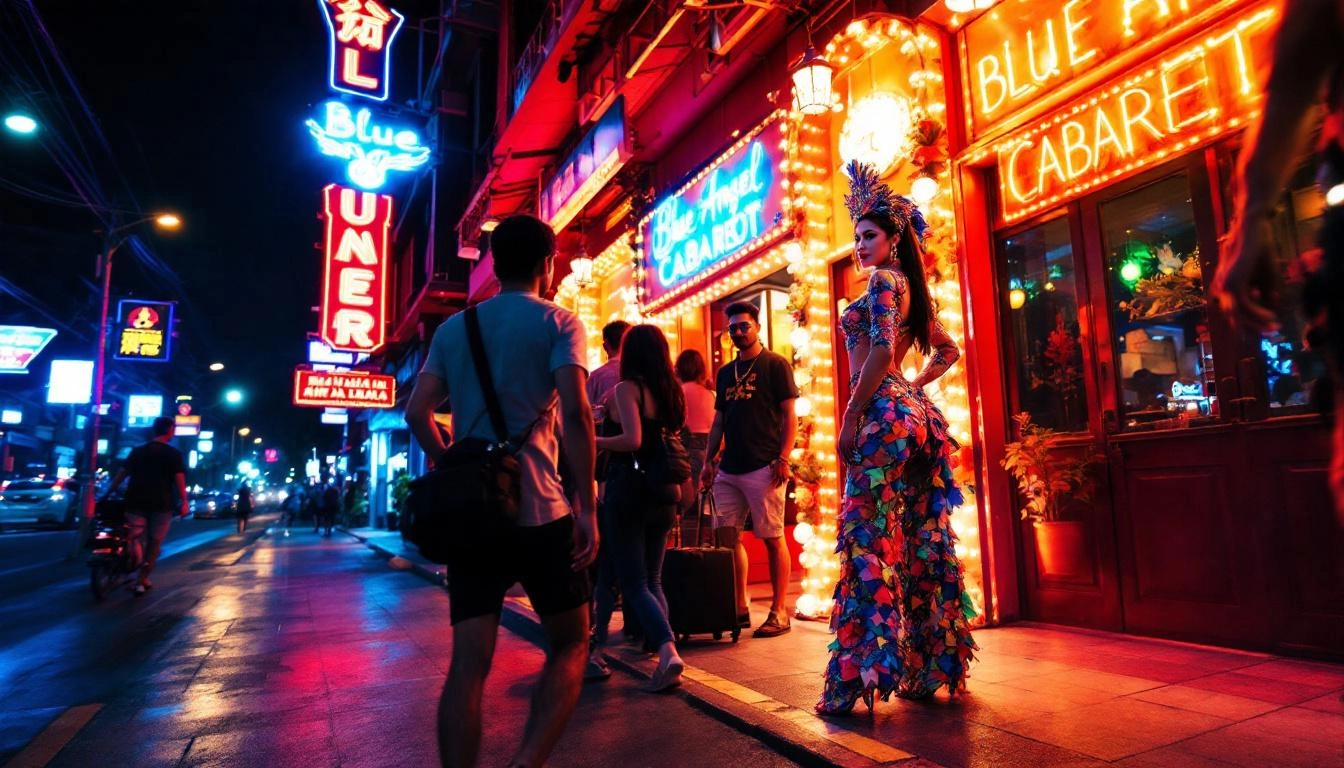
The other cities aren't filler — they're a different kind of trip. Phuket's Patong is the beach option, smaller than Pattaya but with Bangla Road carrying real weight. Chiang Mai is the mellow choice — a single old-town strip of mid-range bars, popular with longer stays and digital nomads. Koh Samui's Chaweng has a genuine scene; Koh Phangan trades on Full Moon Party crowds rather than year-round nightlife. None compete with Bangkok or Pattaya for scale.
Practical info
Visa-on-arrival covers most Western passports for 30 days — extendable in-country for another 30 if needed. The currency is the baht (THB), trading at roughly 35 to the US dollar; ATMs are everywhere but charge a flat 220 THB fee per withdrawal, so pull larger amounts less often. Peak season is November through March — cool dry weather, busiest crowds, highest hotel prices. April hits 40°C; the May–October monsoon brings afternoon rain but doesn't affect indoor nightlife.
Violent crime against foreign visitors is rare. The real risks are financial — gem scams, tuk-tuk detours to gem shops or tailors, inflated bar tabs, drink-spiking in a small number of venues, and aggressive freelancers in tourist-heavy zones. Common sense plus checking your tab line-by-line covers most of the defence. Tourist police hotline: 1155, English-speaking 24/7.