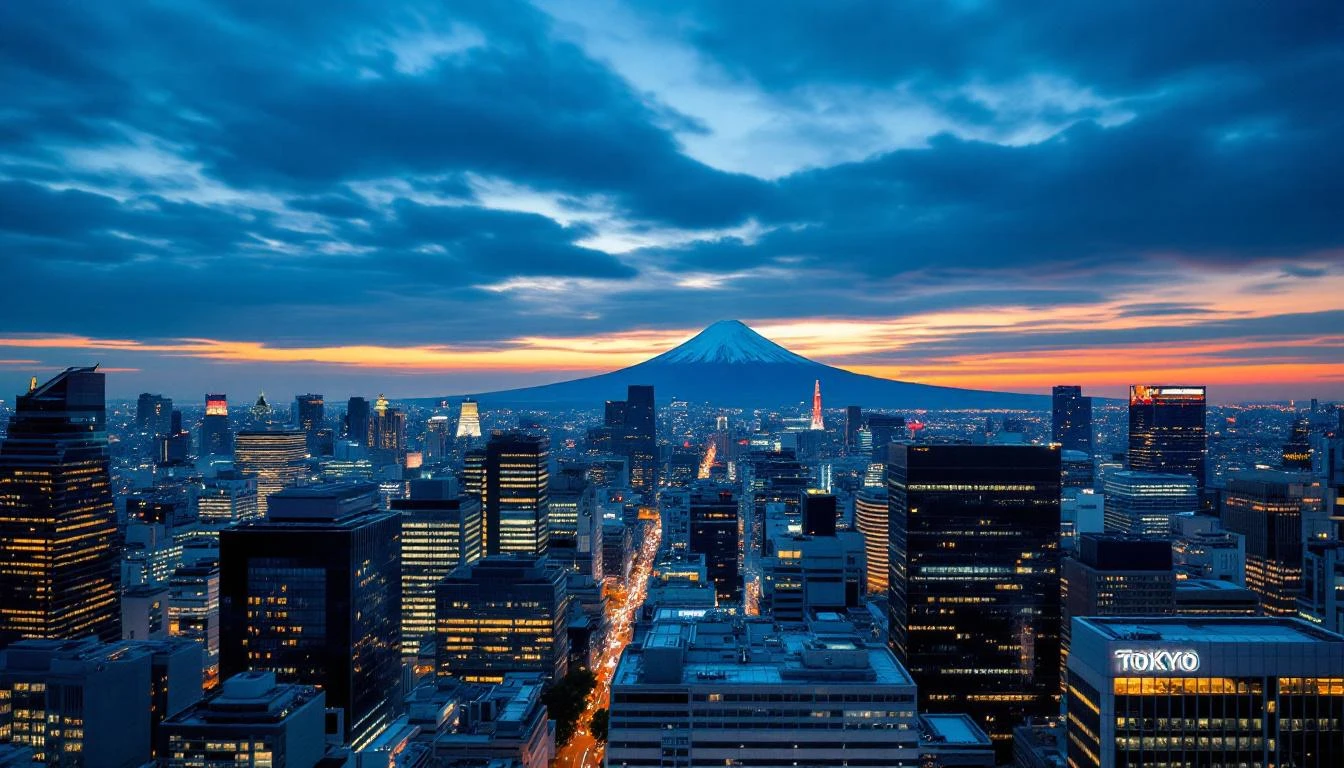
Japan
Contents
Cities 4
Map
Popular red light districts in Japan
See all →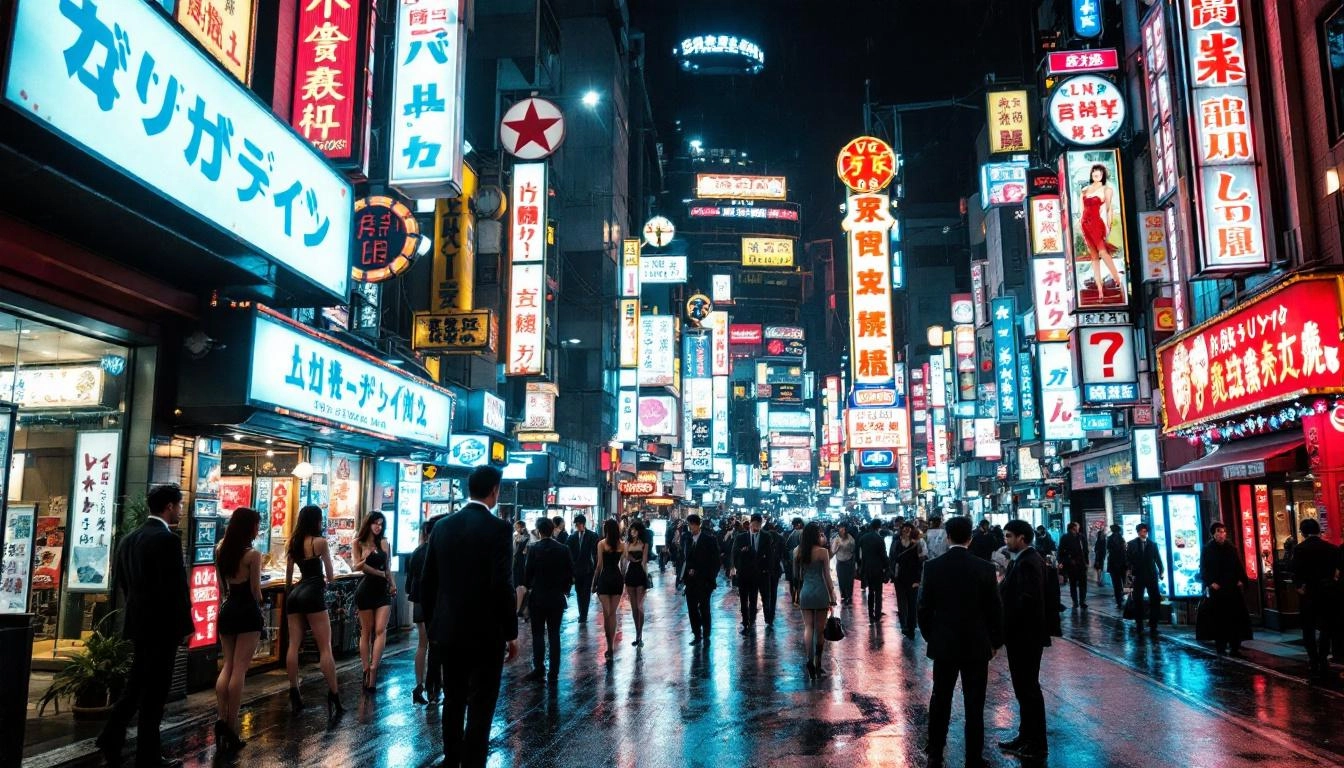
All Venues
Overview
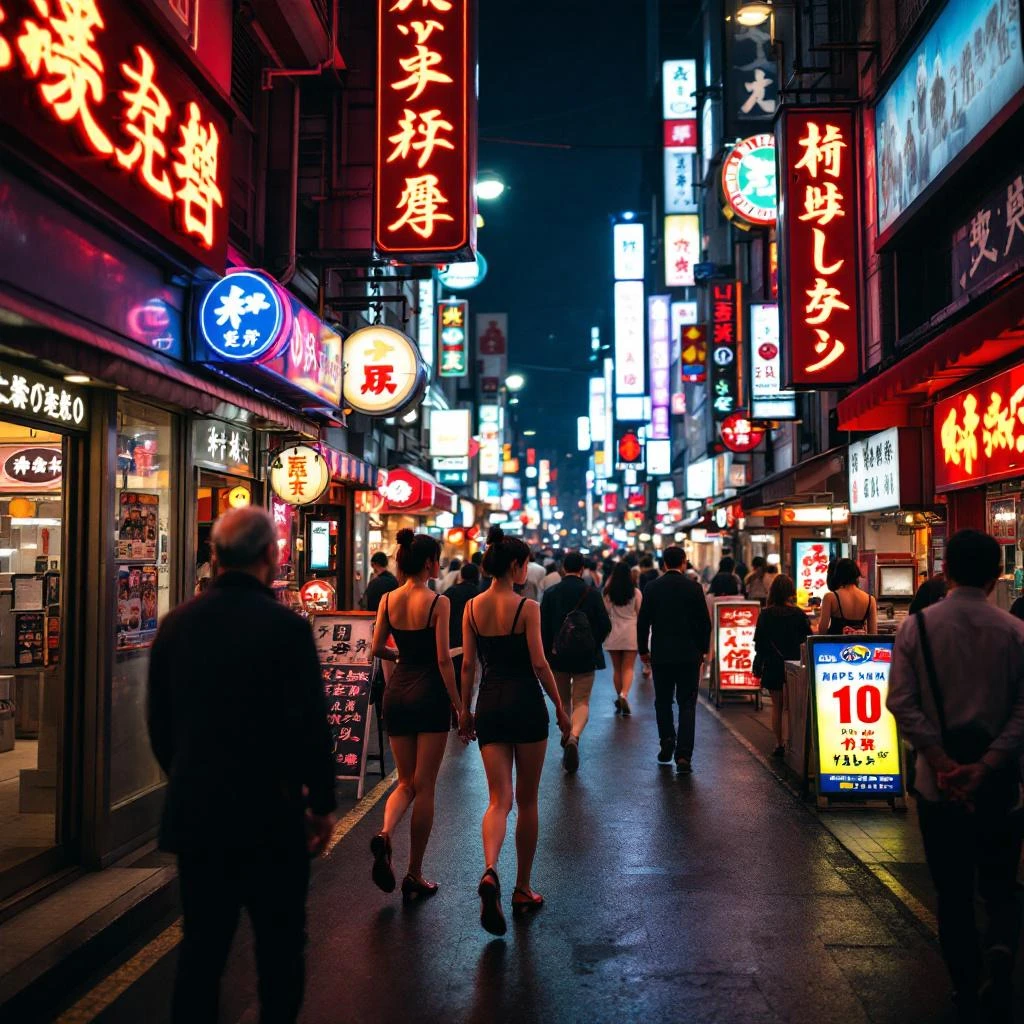
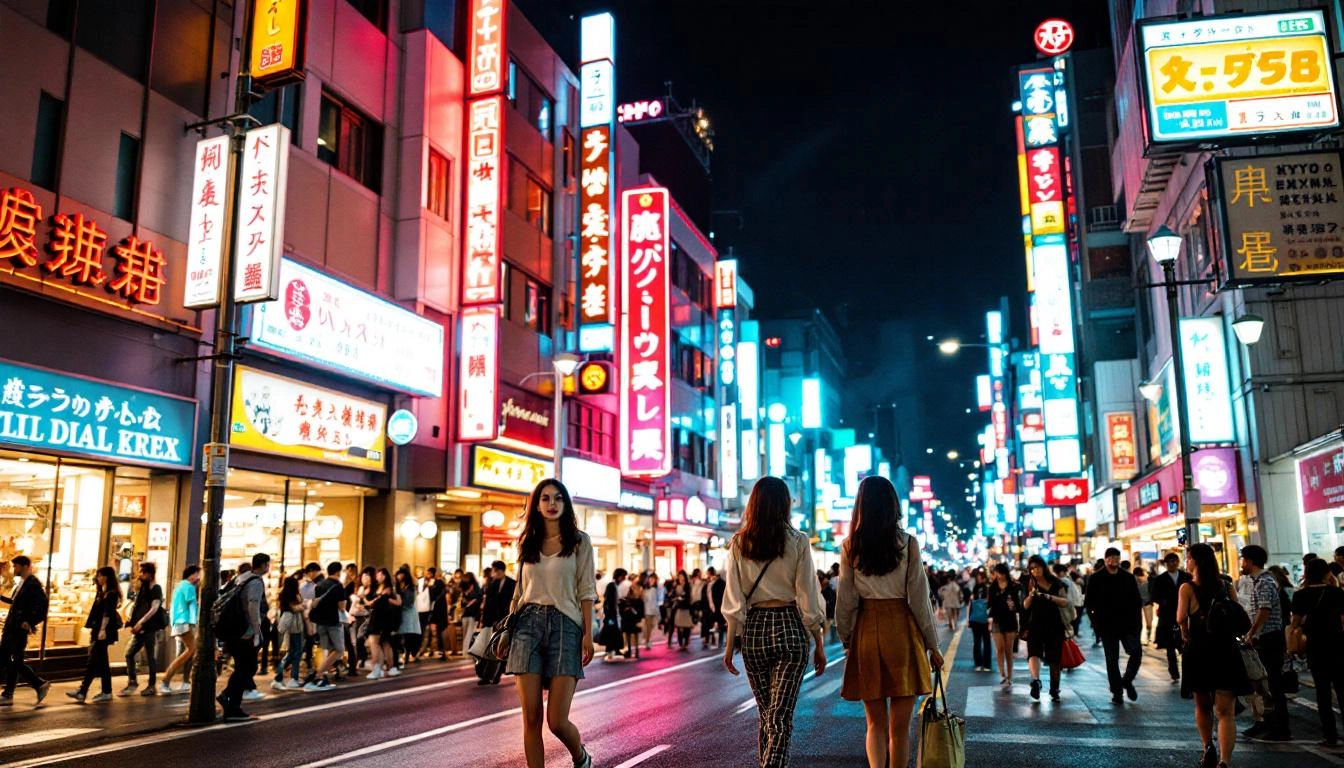
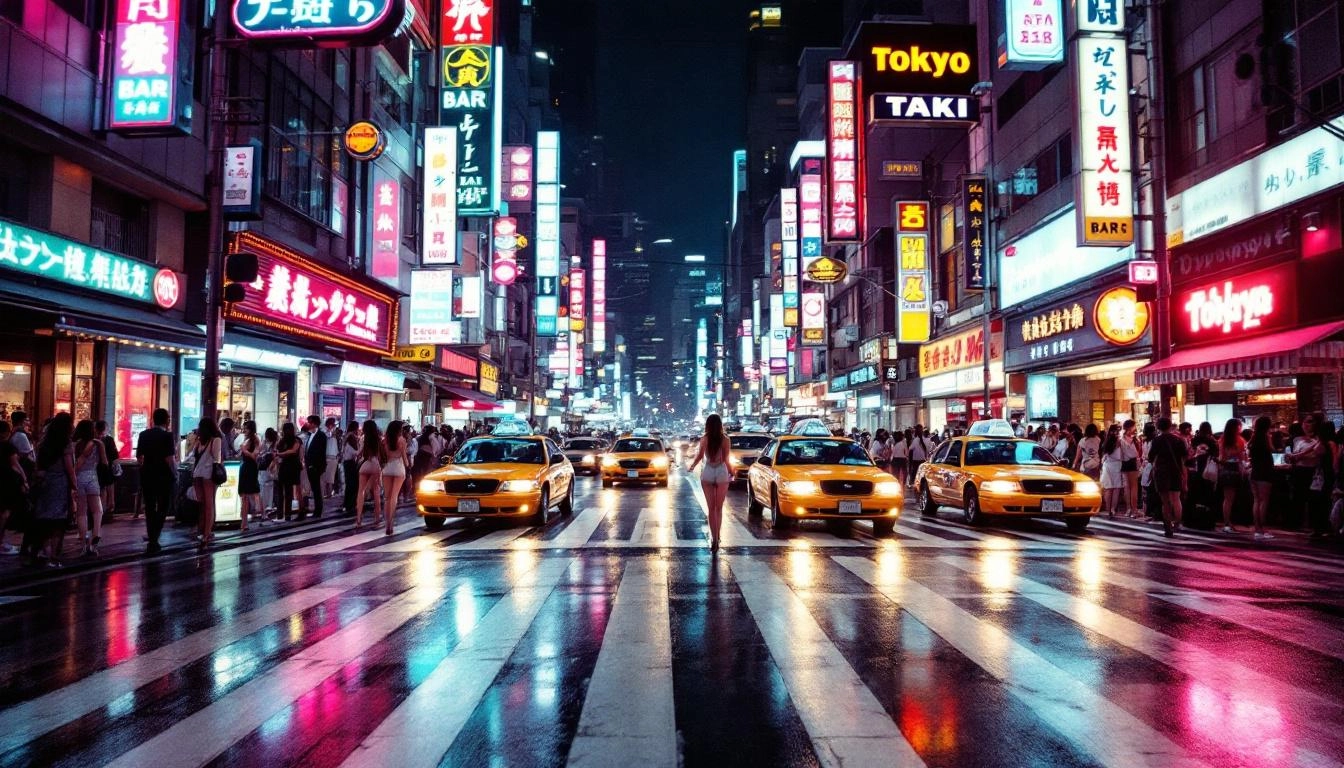
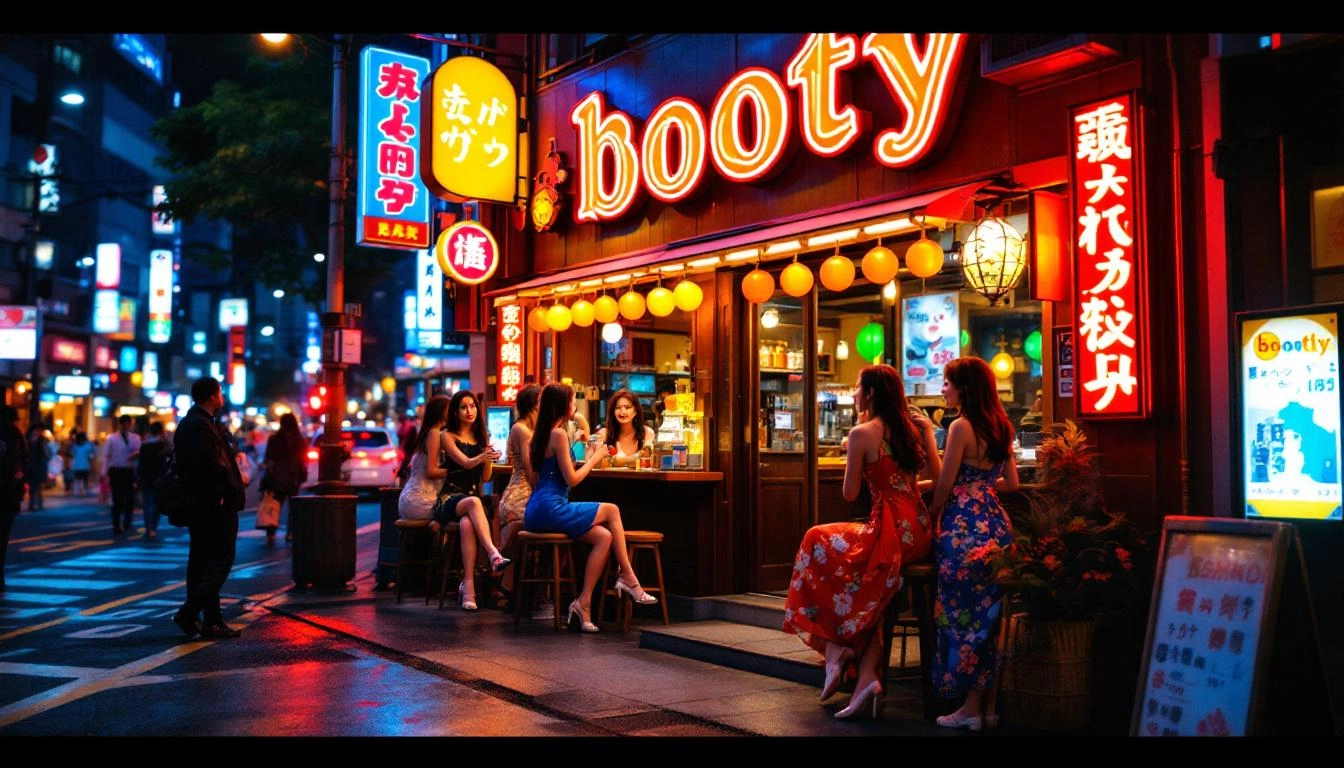
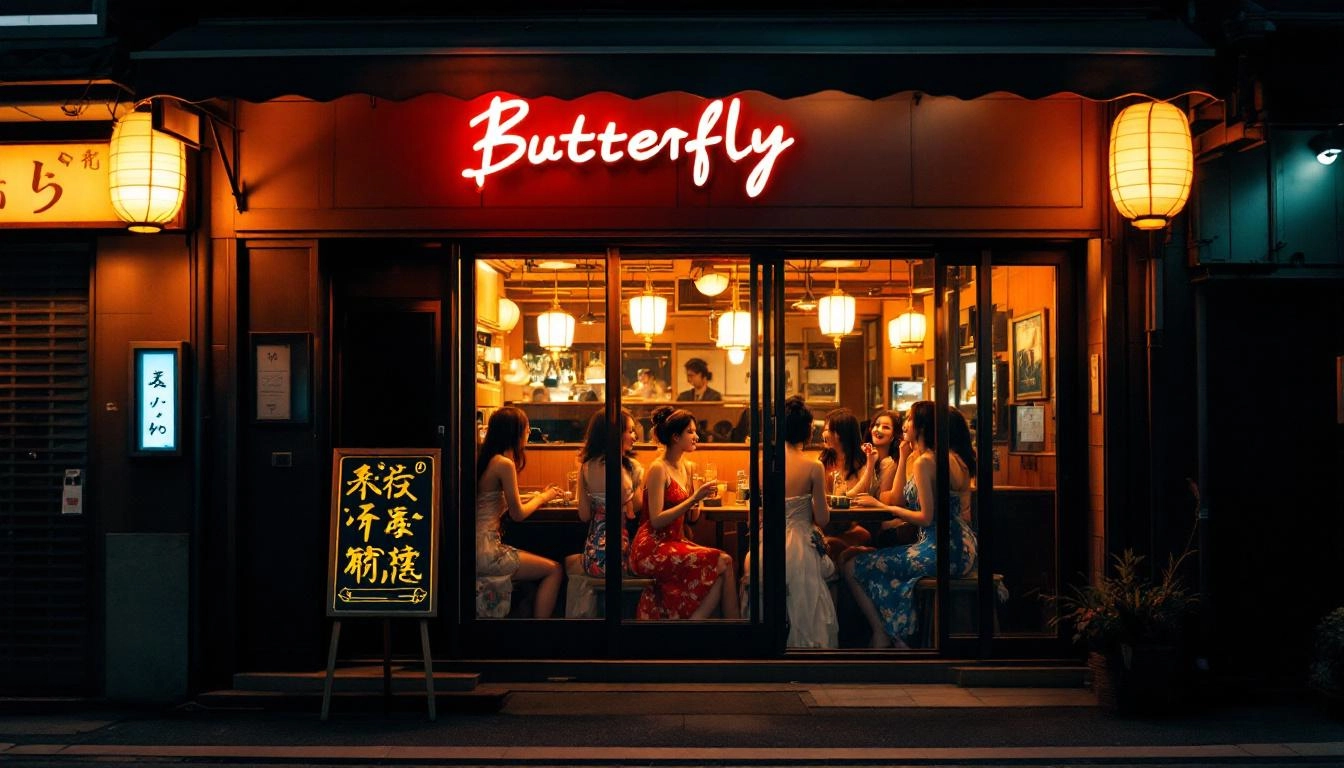
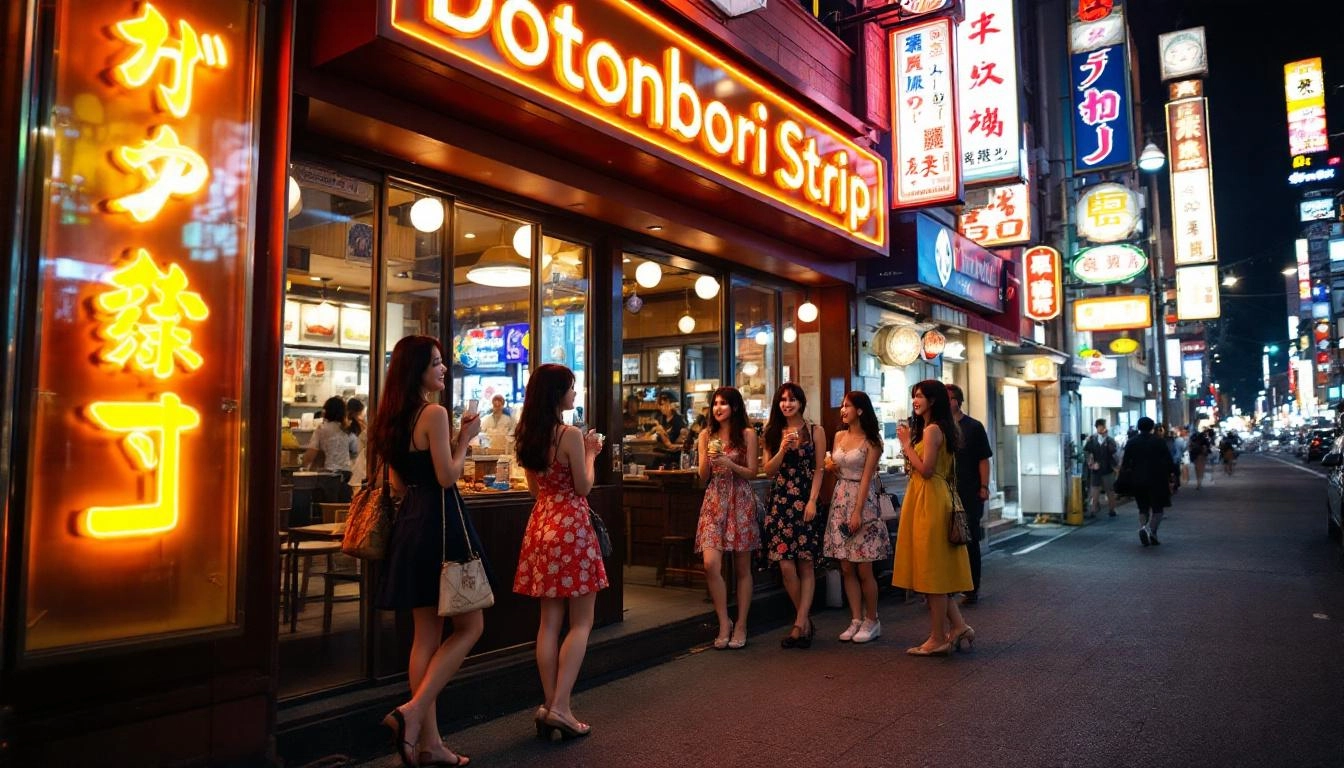
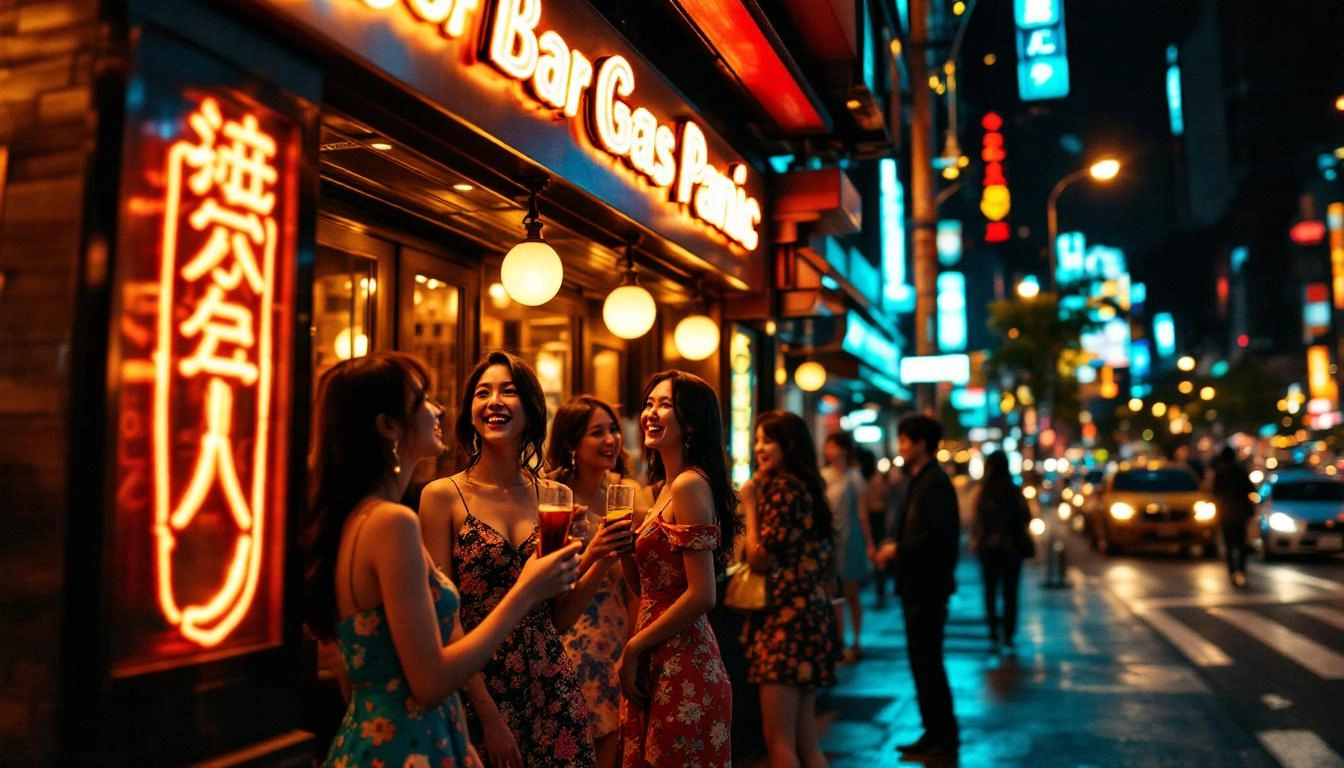
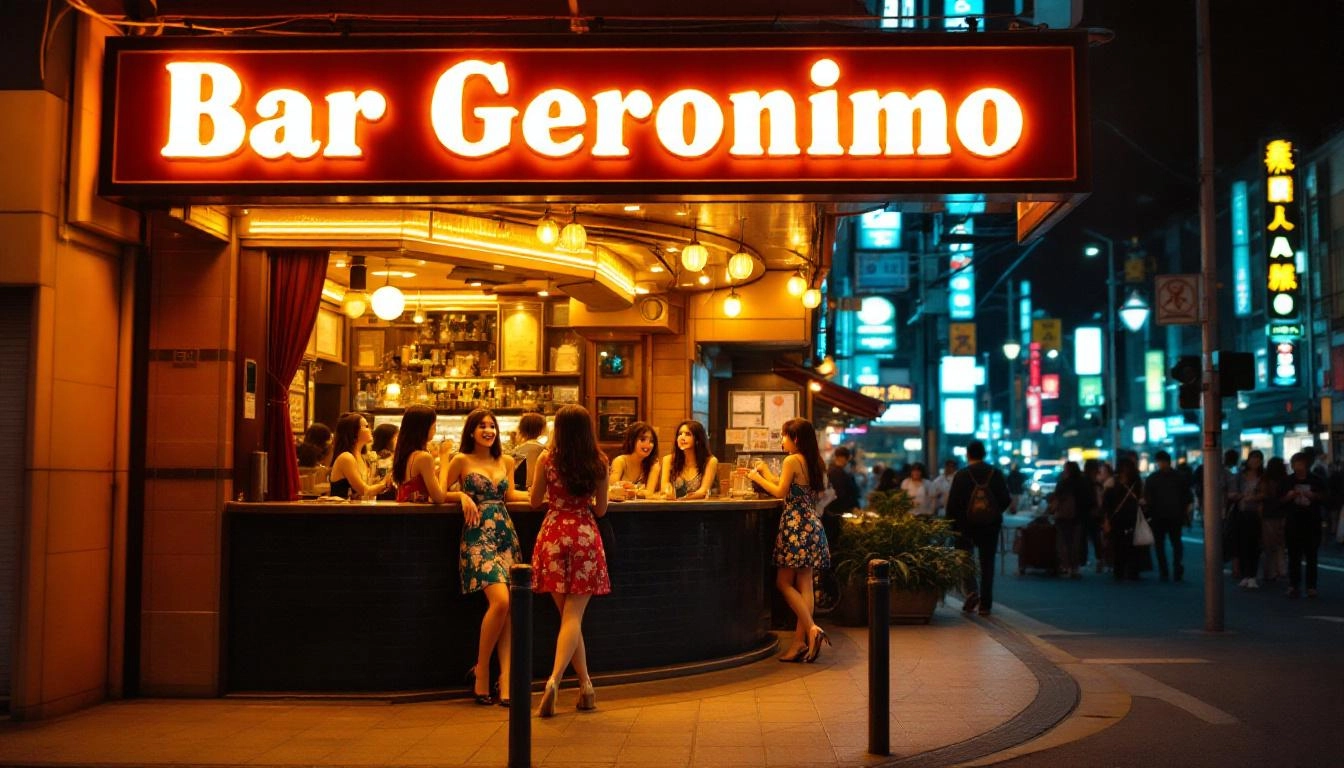
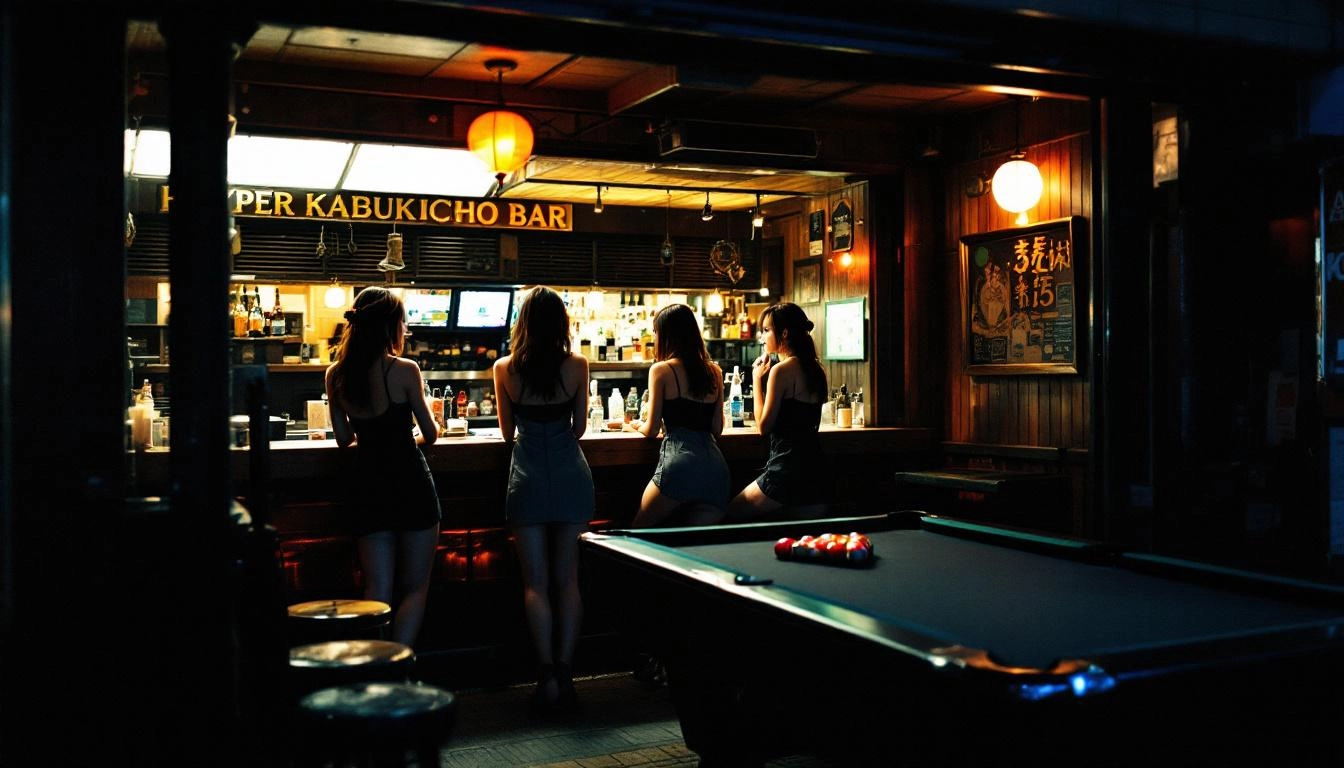
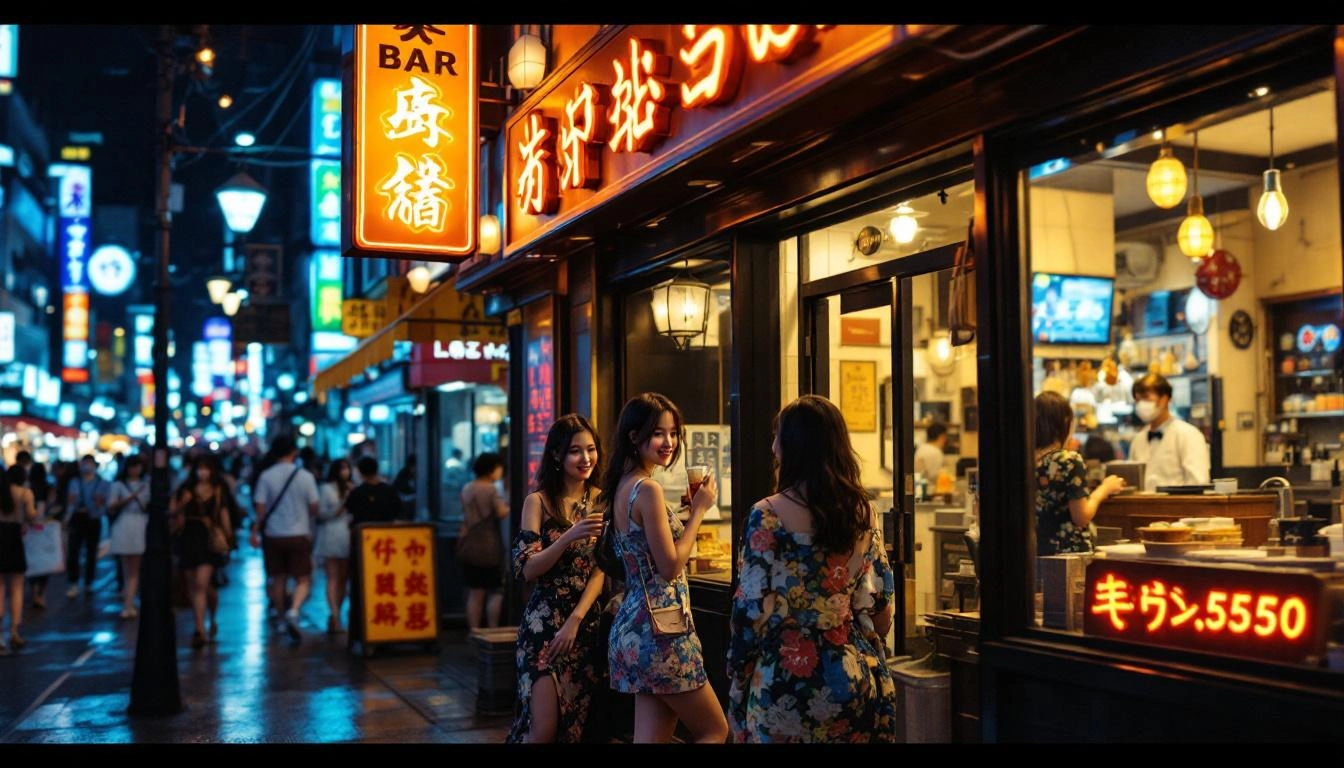
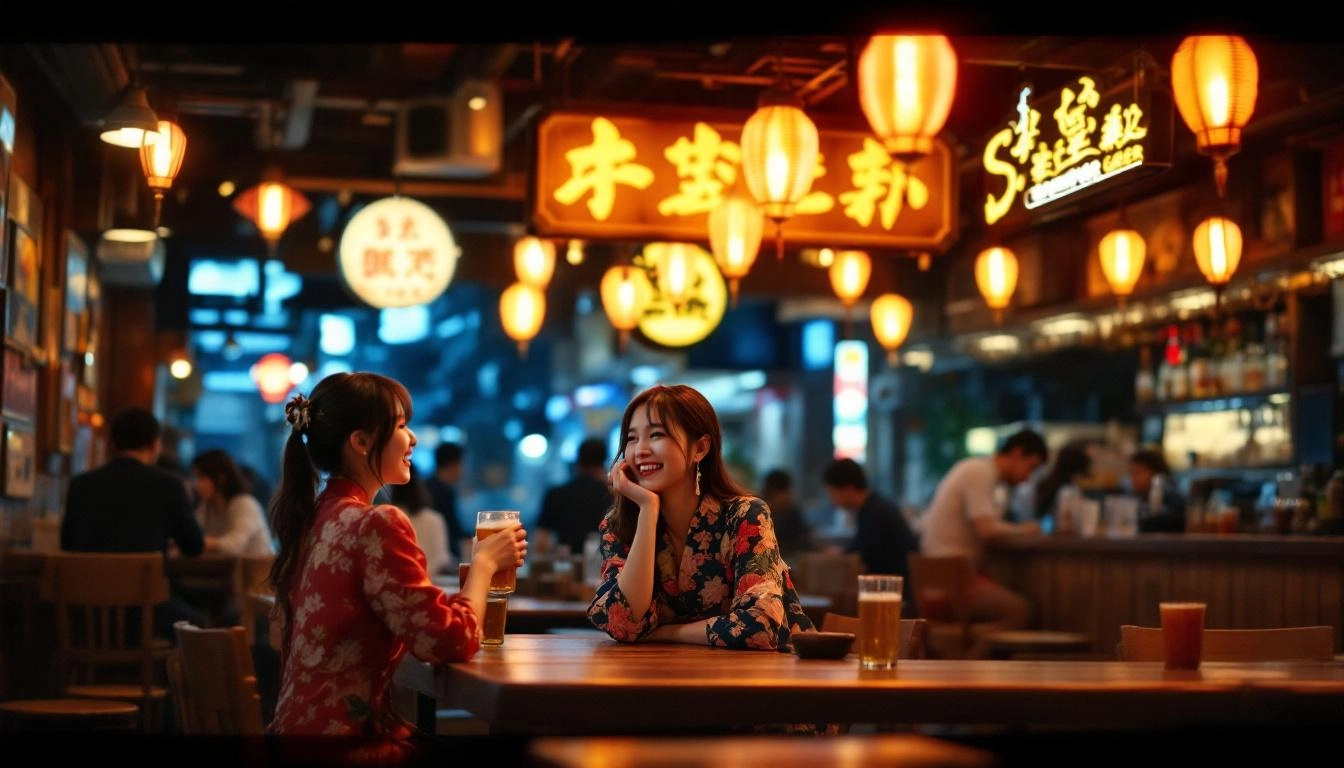
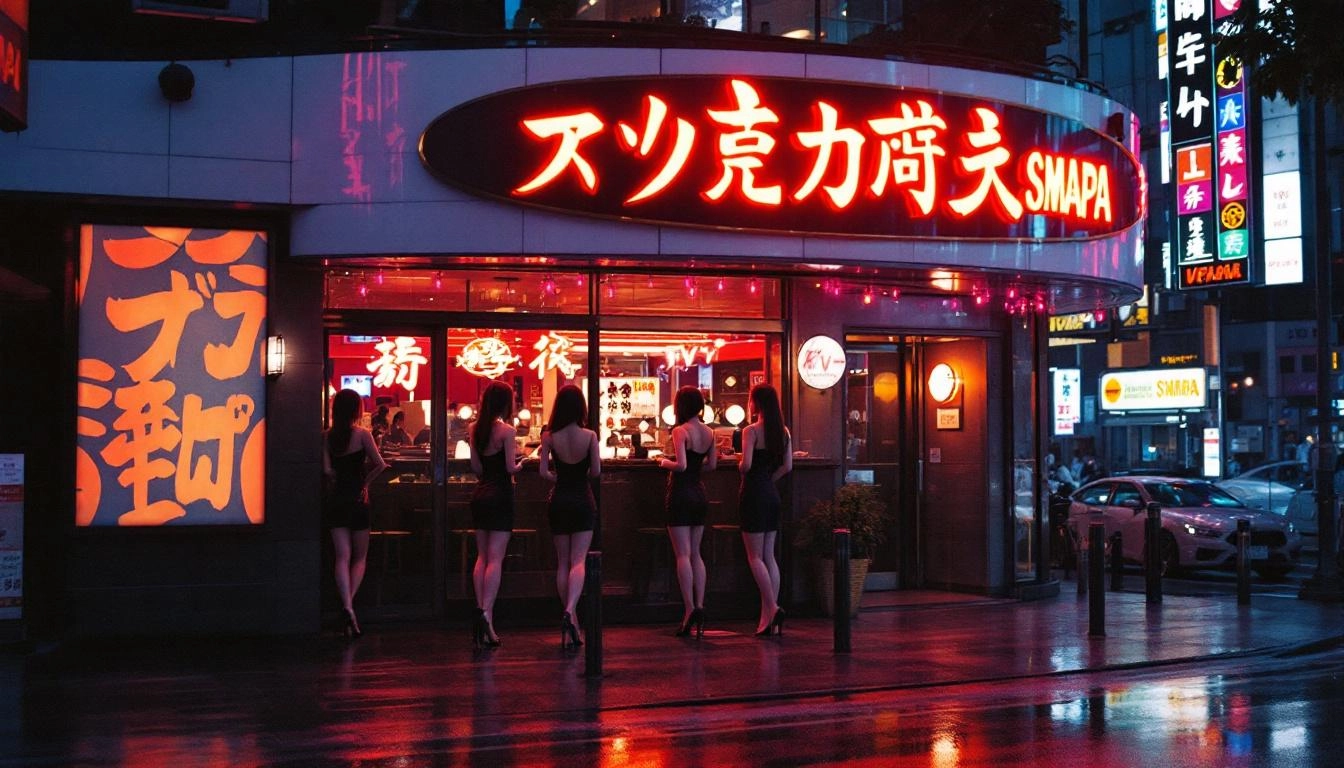
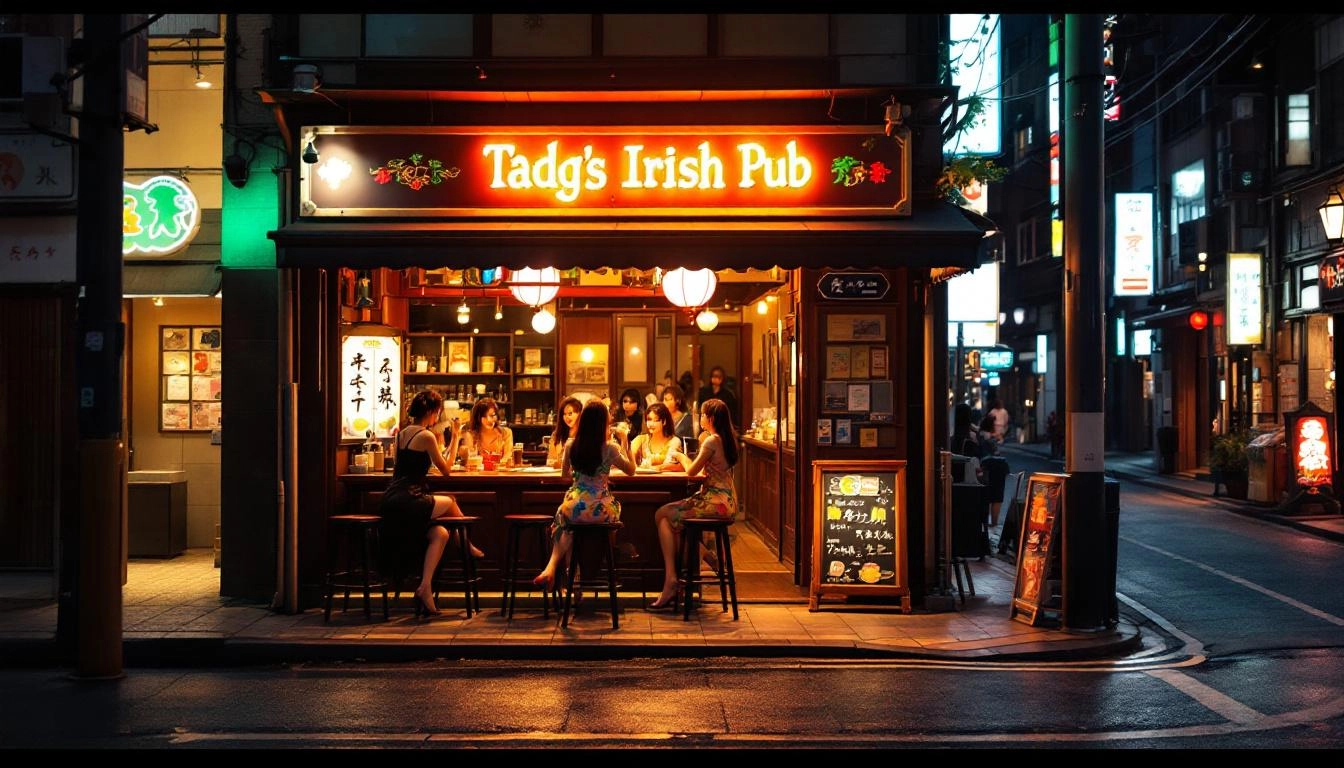
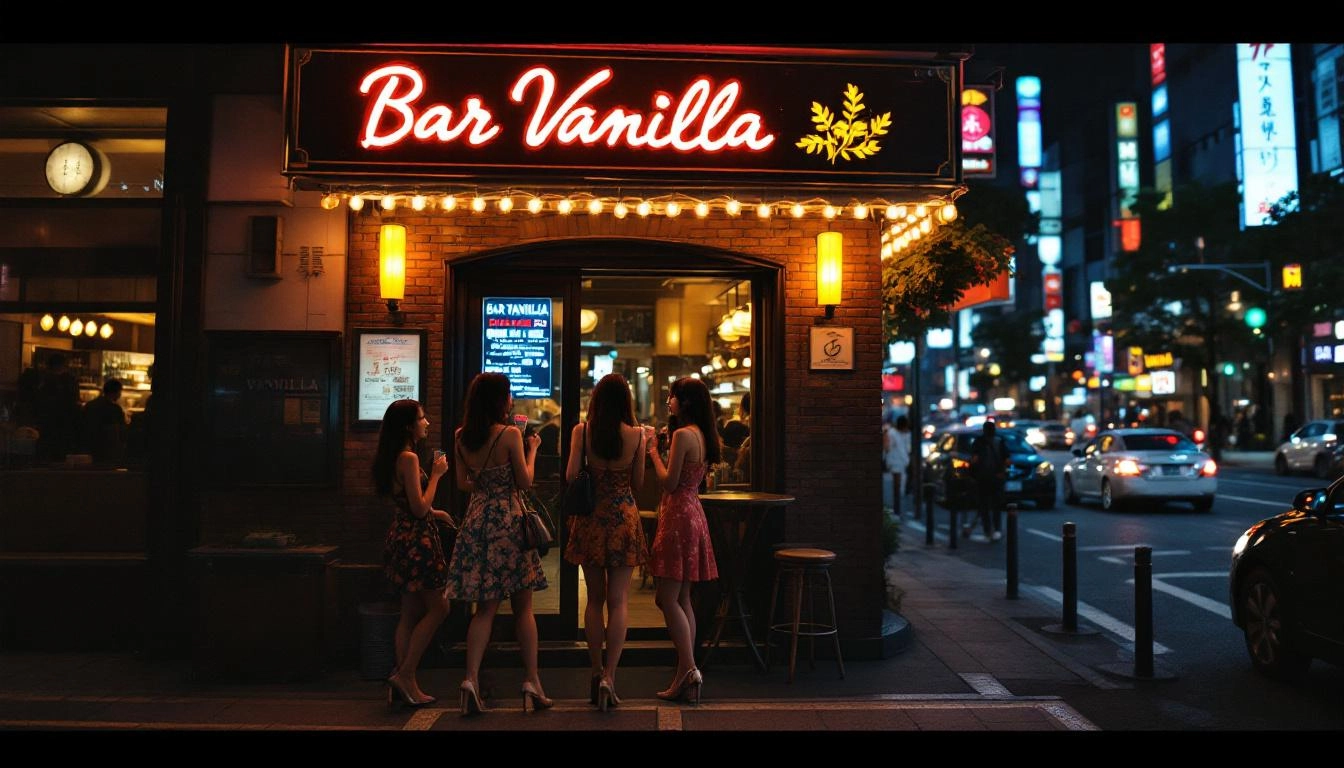
Japan has the most sophisticated and strictly segmented adult industry in Asia. Kabukicho in Shinjuku, Tokyo, is the largest red-light district on the continent — a densely packed square kilometre of hostess bars, cabarets, host clubs, soaplands and image clubs running openly despite theoretically strict laws. The gap between what the law says and what actually happens is nowhere more visible than here.
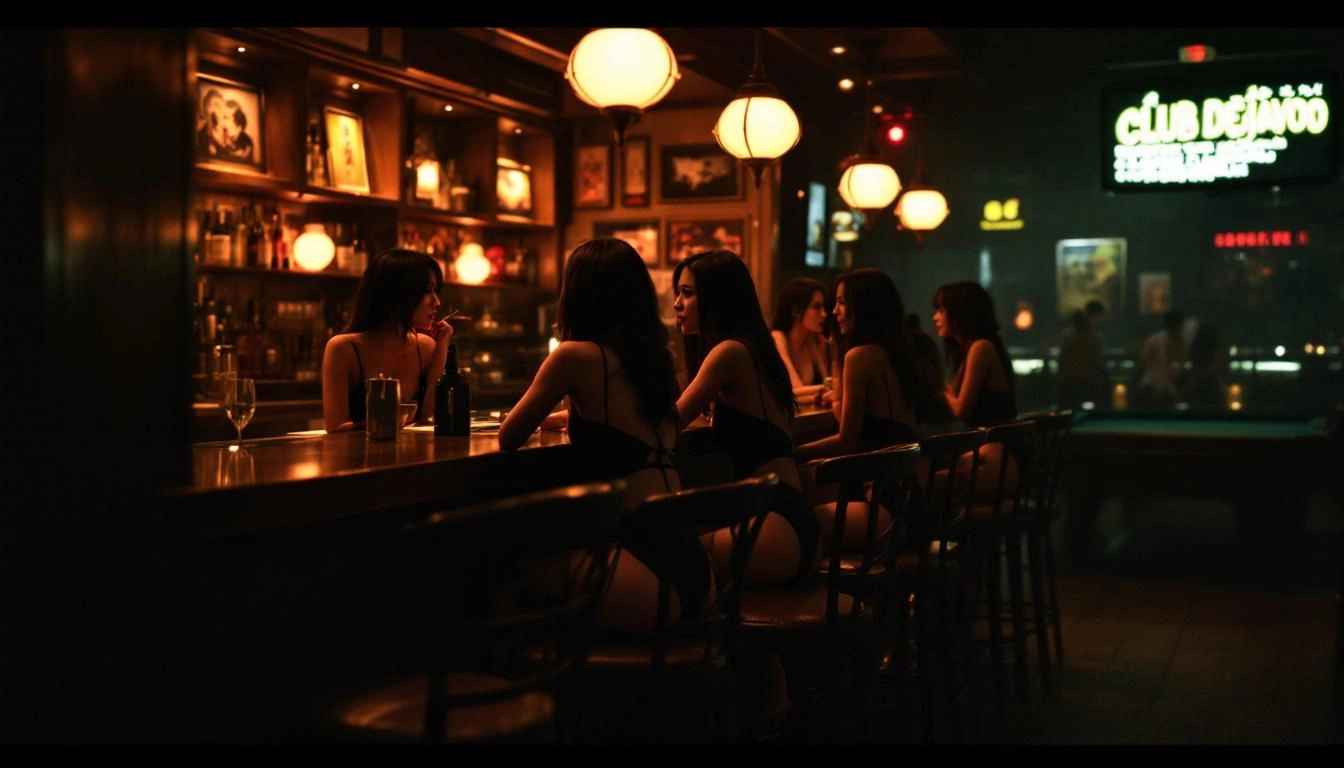
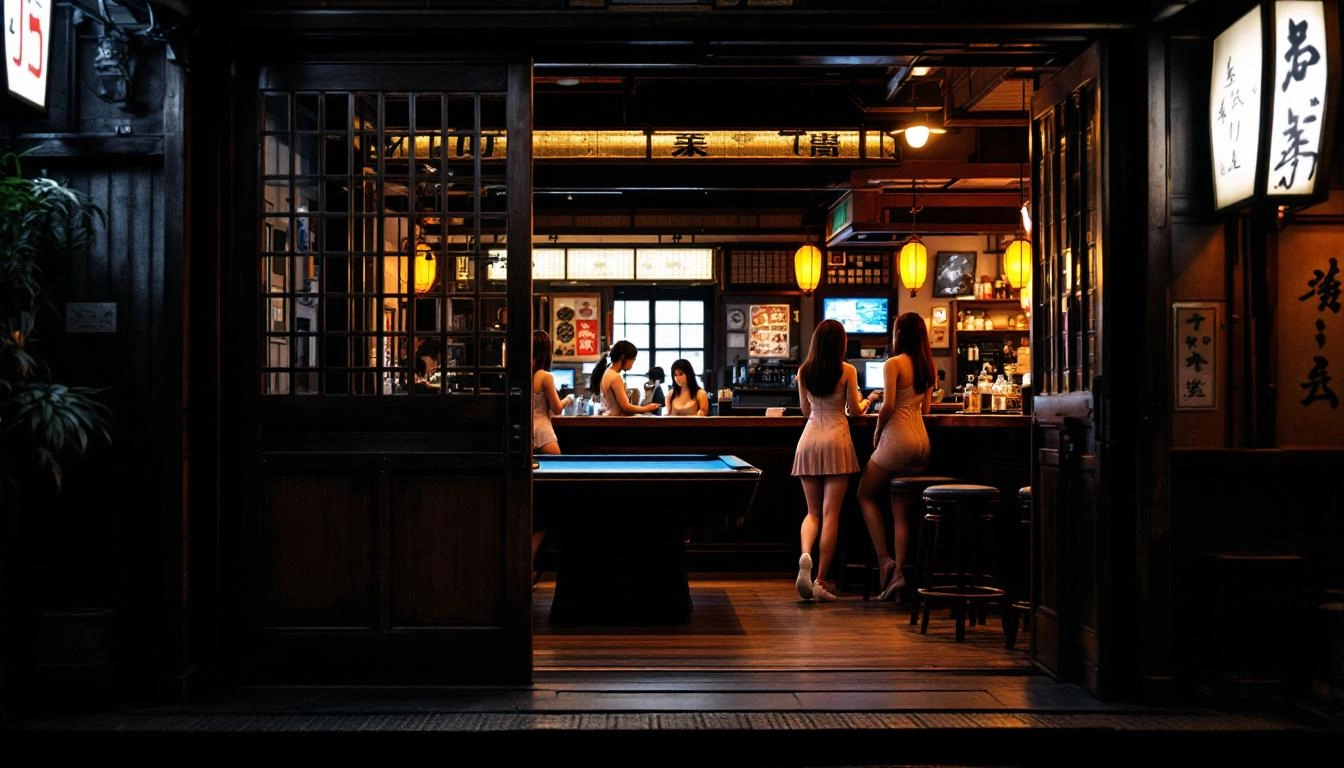
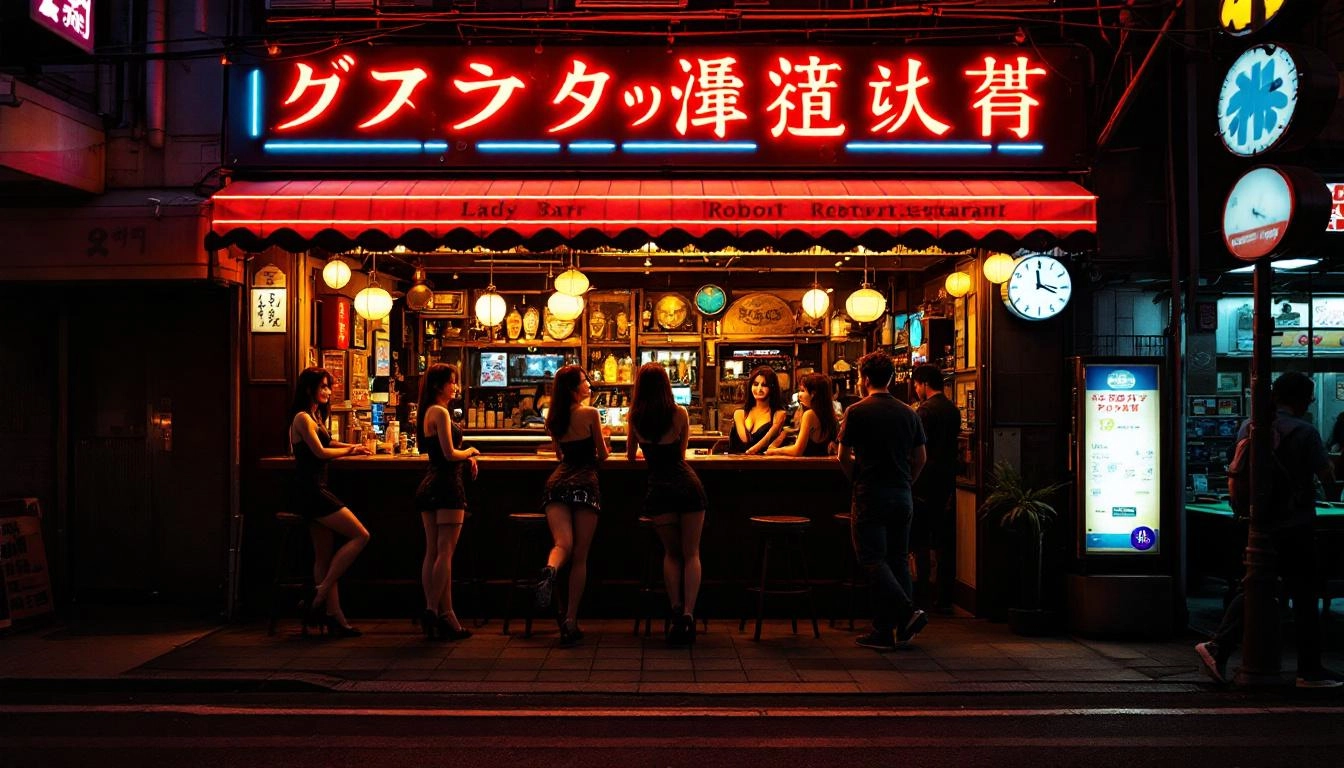
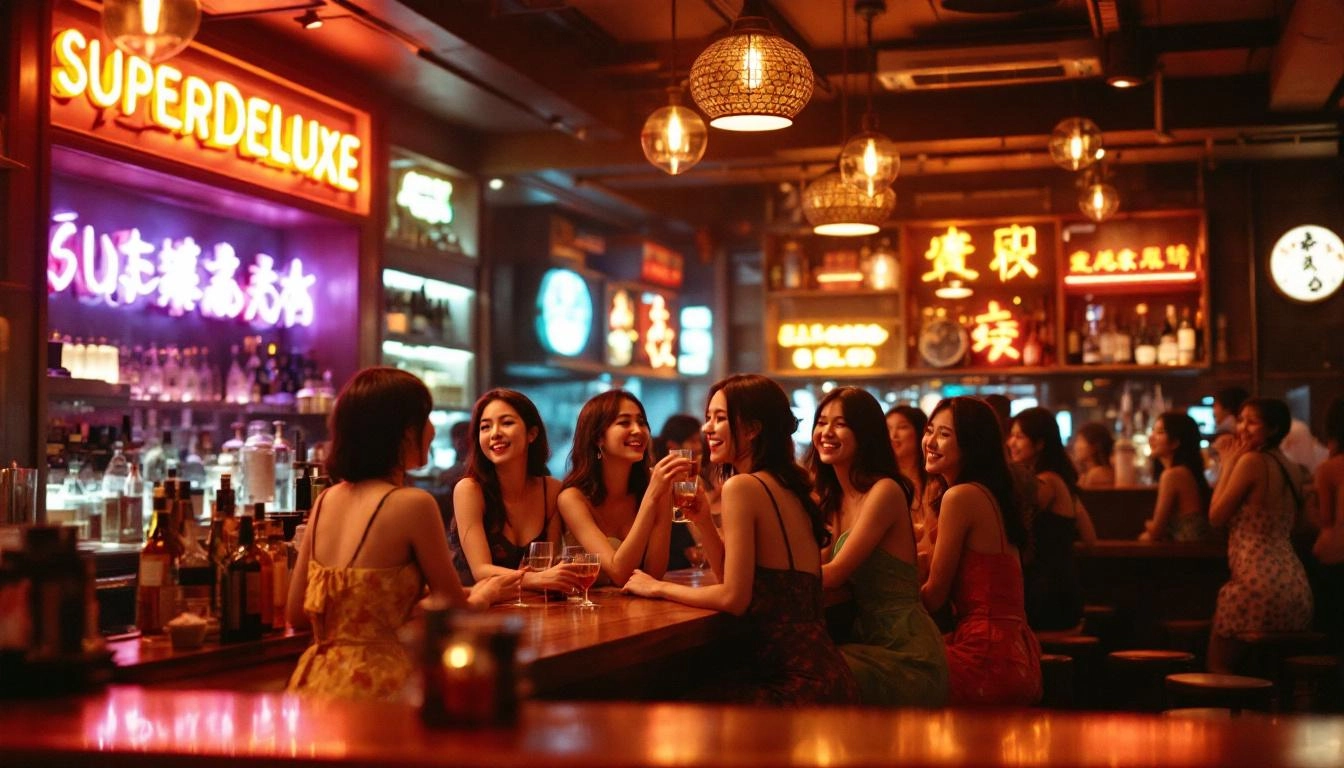
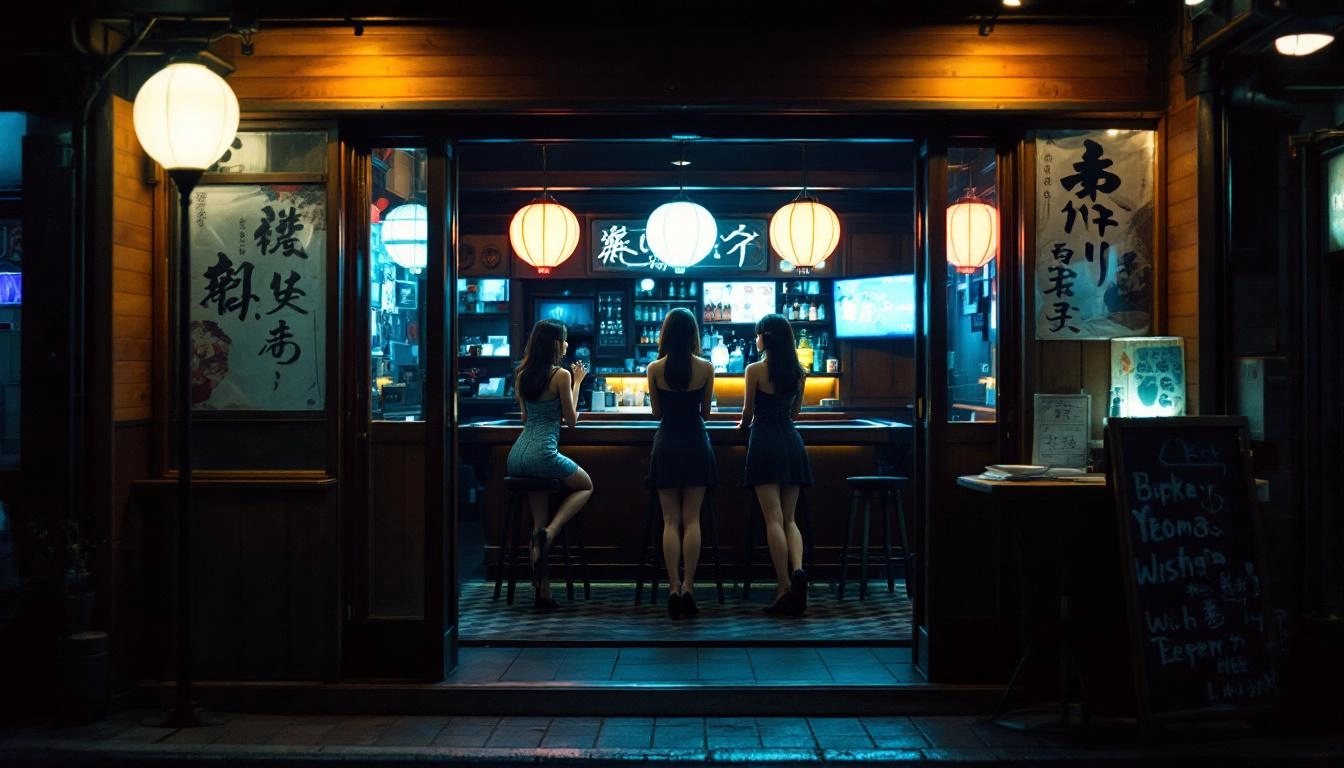
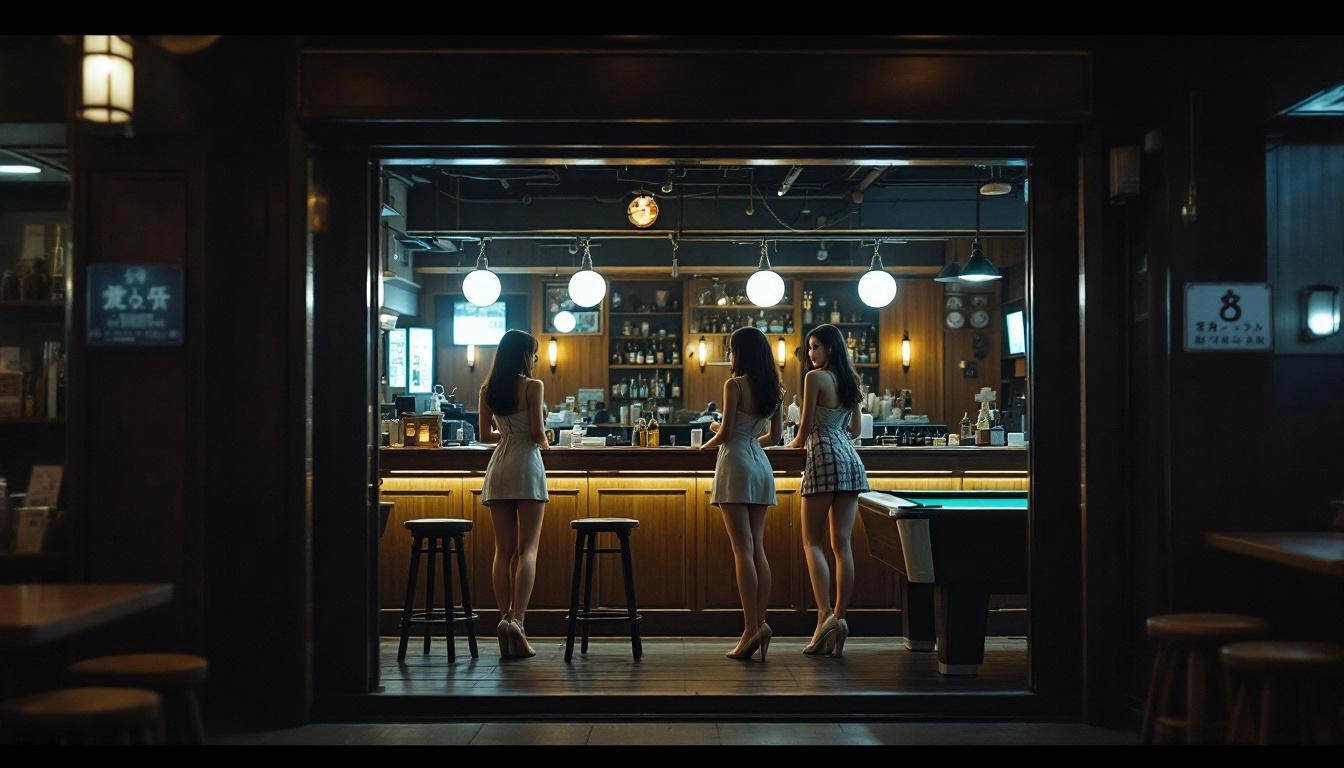
The whole scene runs on categorisation. Hostess bars at the top sell company and conversation, not sex. Below them, 'fashion health' and image clubs offer tightly defined services, and soaplands — bathhouses where full service has been an open secret for decades — operate in designated zones. It is the opposite of the Philippines: less warmth, more system, and a price tag to match.
The women
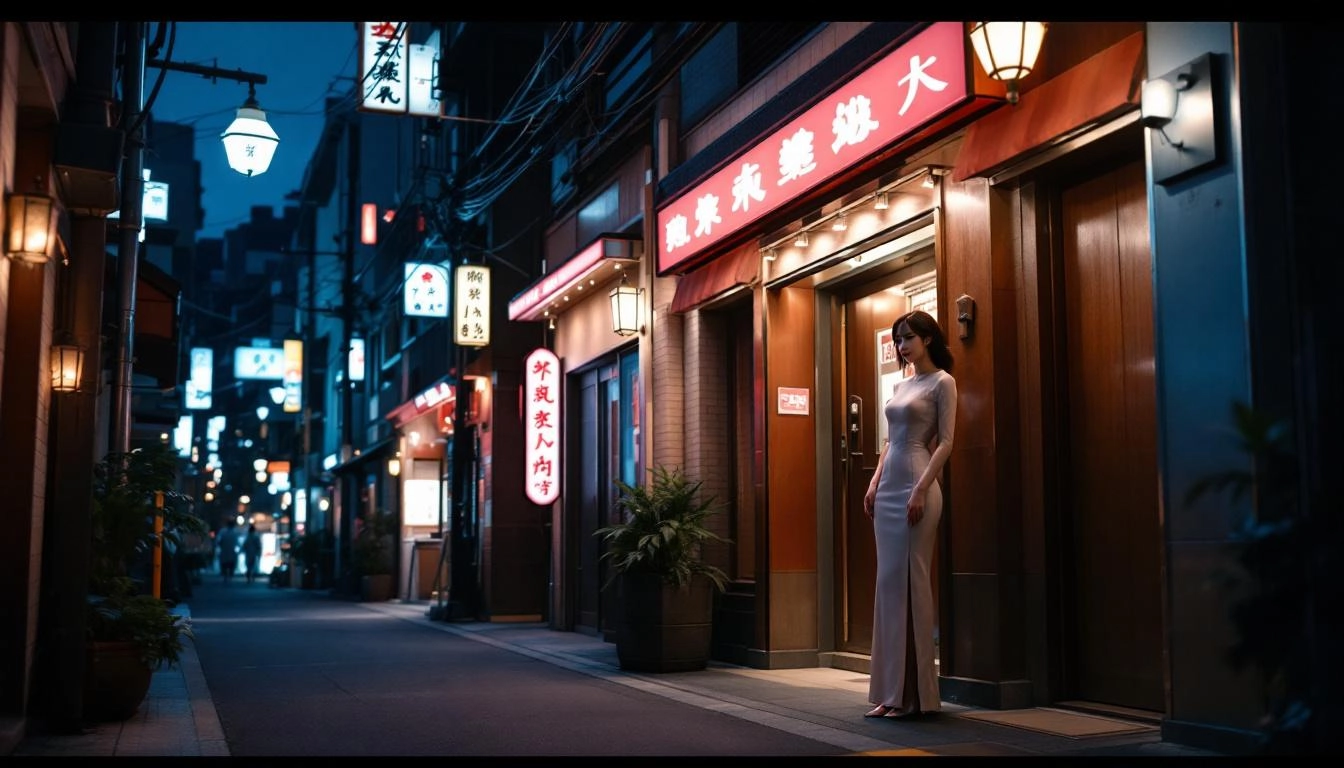
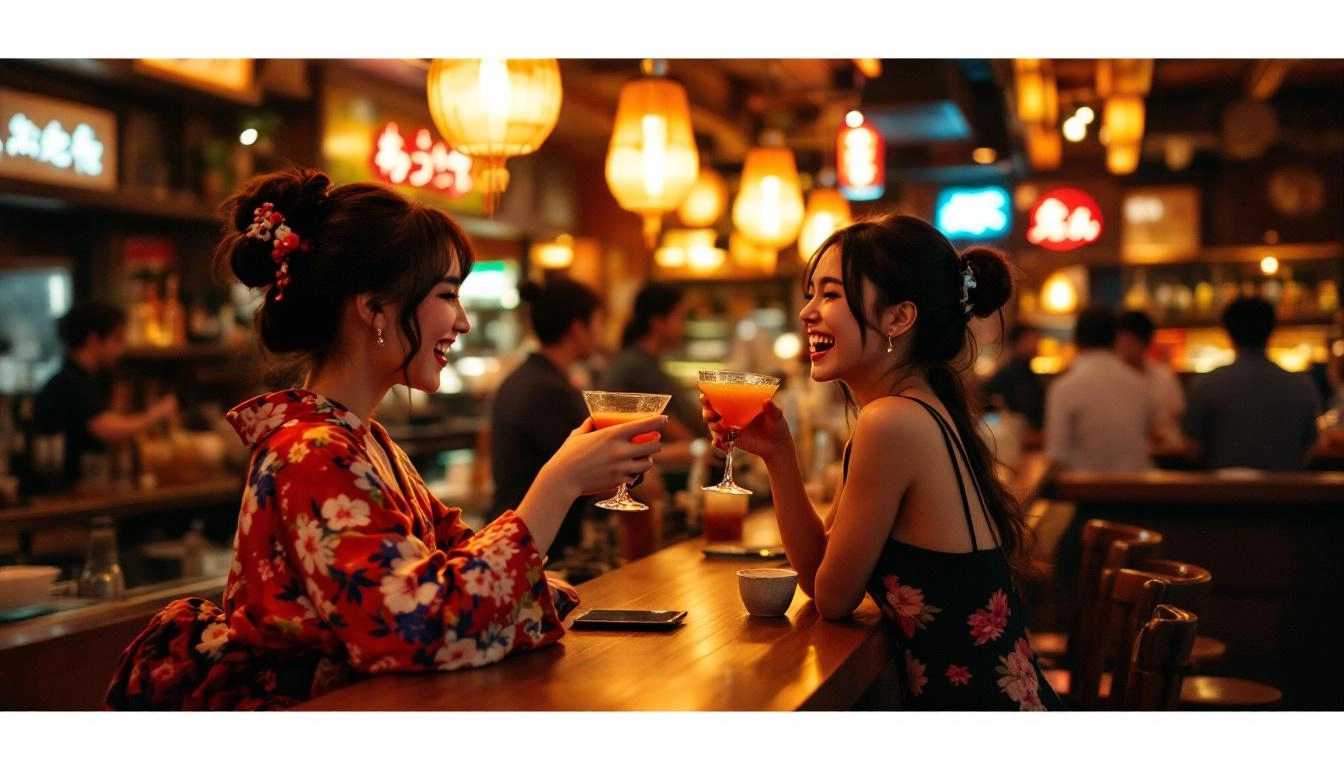
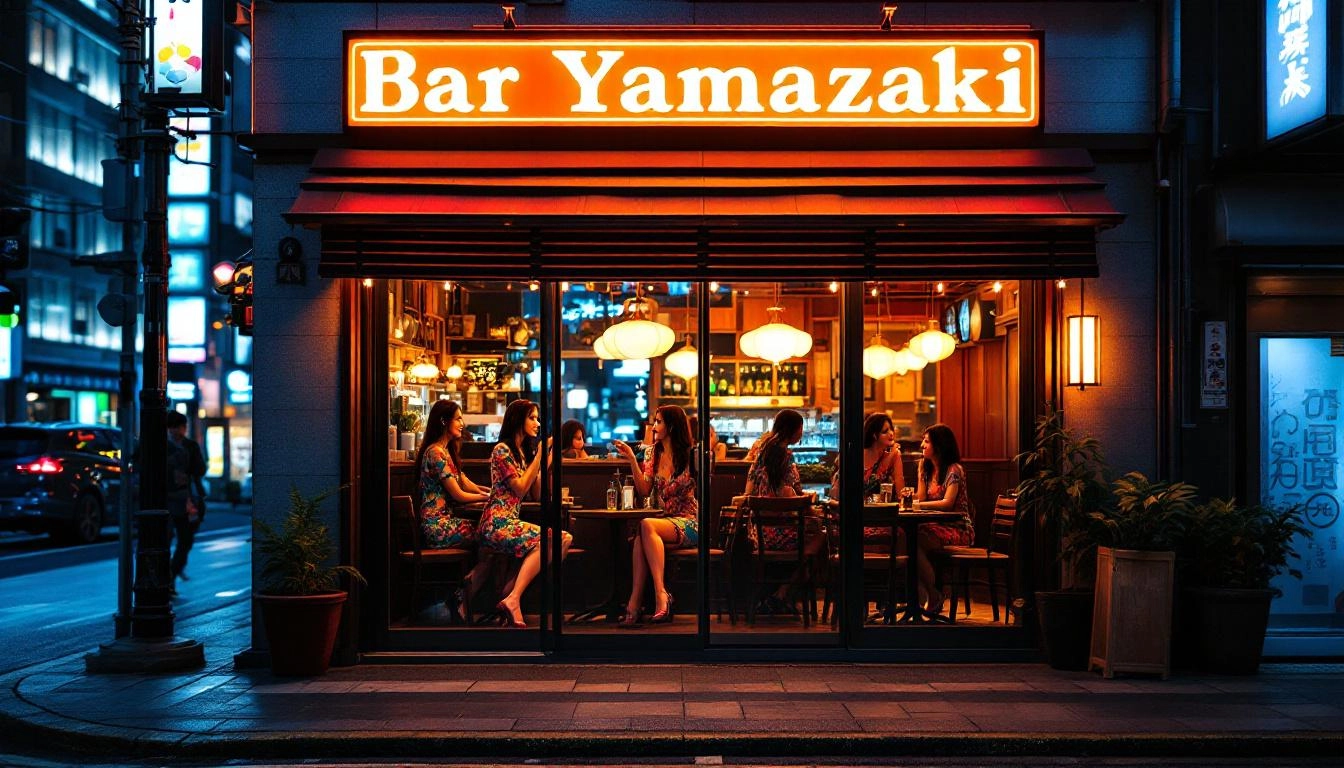
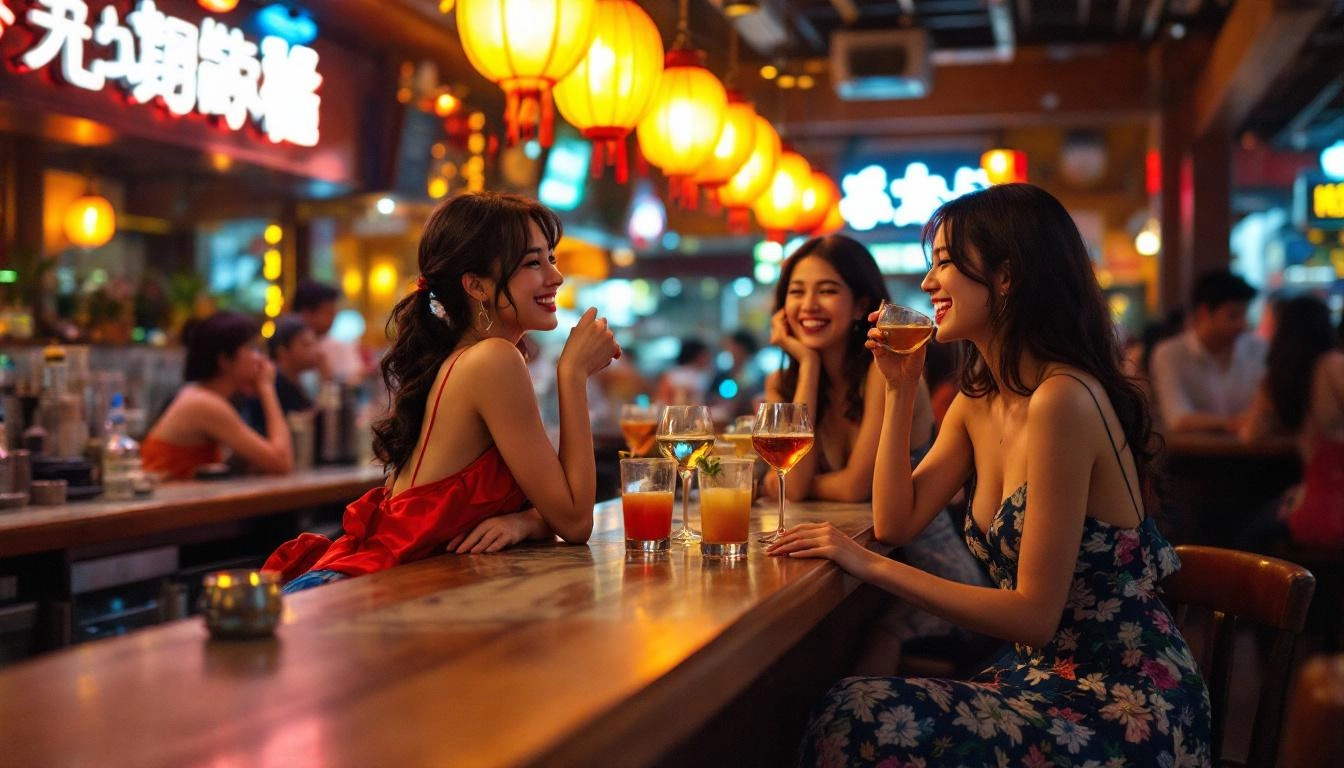
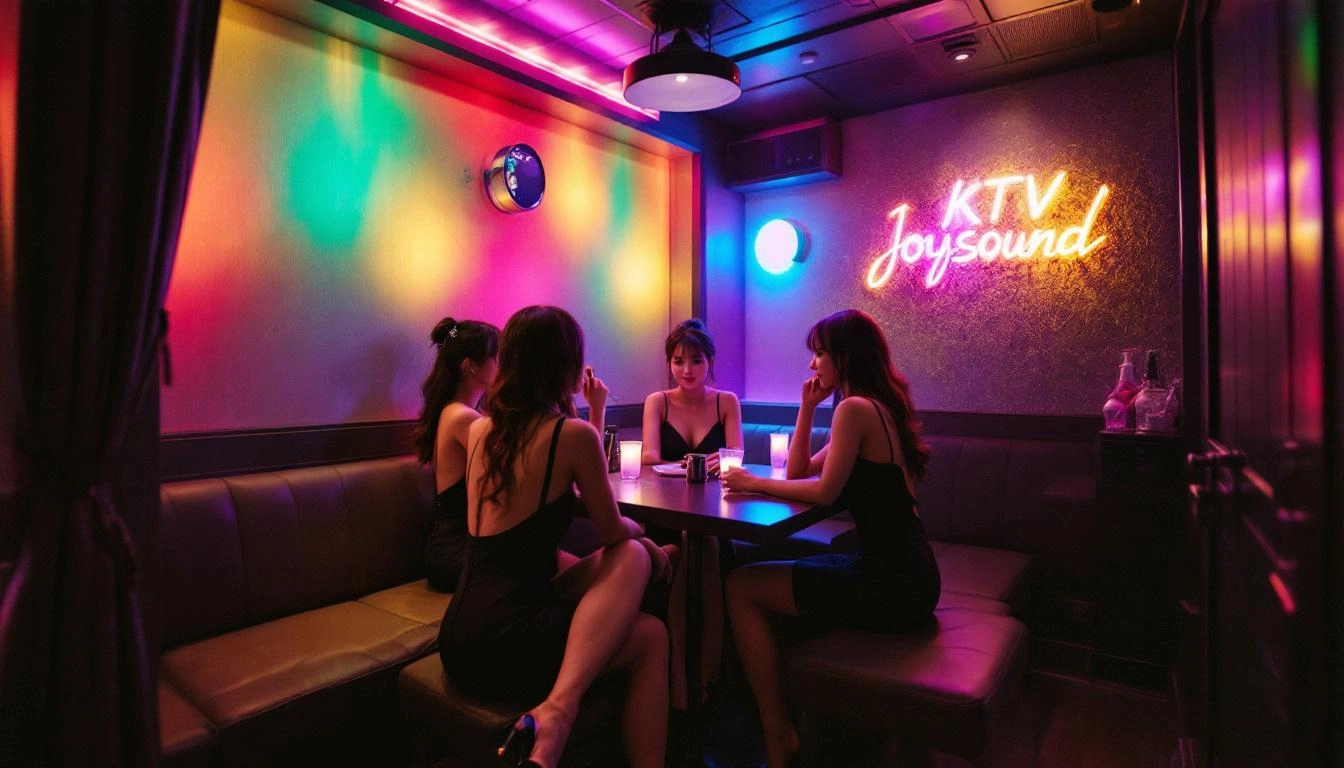
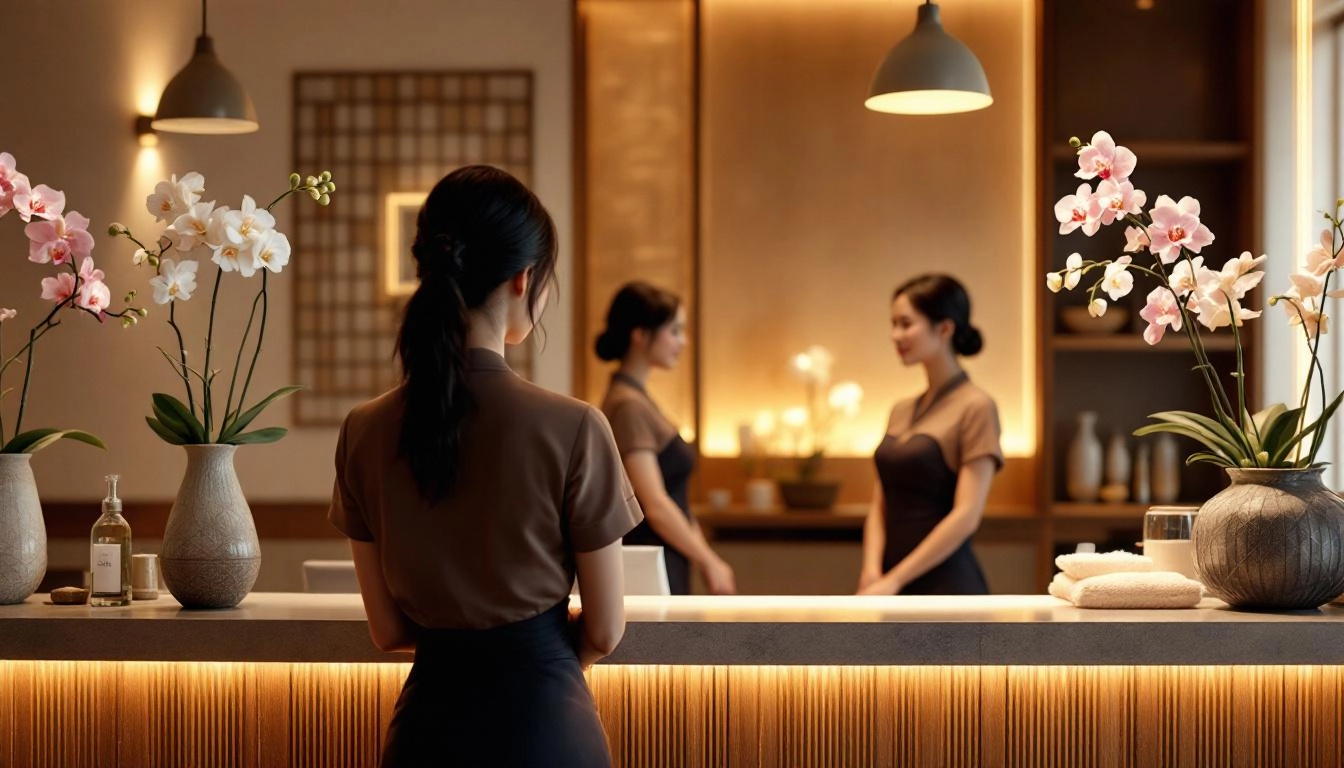
Two very different worlds sit under one roof. Hostesses — many Japanese, plus Eastern European and other foreign women in the higher-end Tokyo clubs — are paid for charm and conversation: pouring drinks, lighting cigarettes, flattering the customer. It is a profession with its own skill set, and the best earn serious money with nothing sexual on the table. The sex side, in soaplands and delivery health, is a separate trade, often staffed by women working discreetly and on short contracts.
The interaction is the reverse of Southeast Asia. It is polished and professional rather than warm and loose, the language barrier is real, and genuine connection is rare and not the point. What you are buying is a performance of attention — executed extremely well, but a performance.
Legal landscape
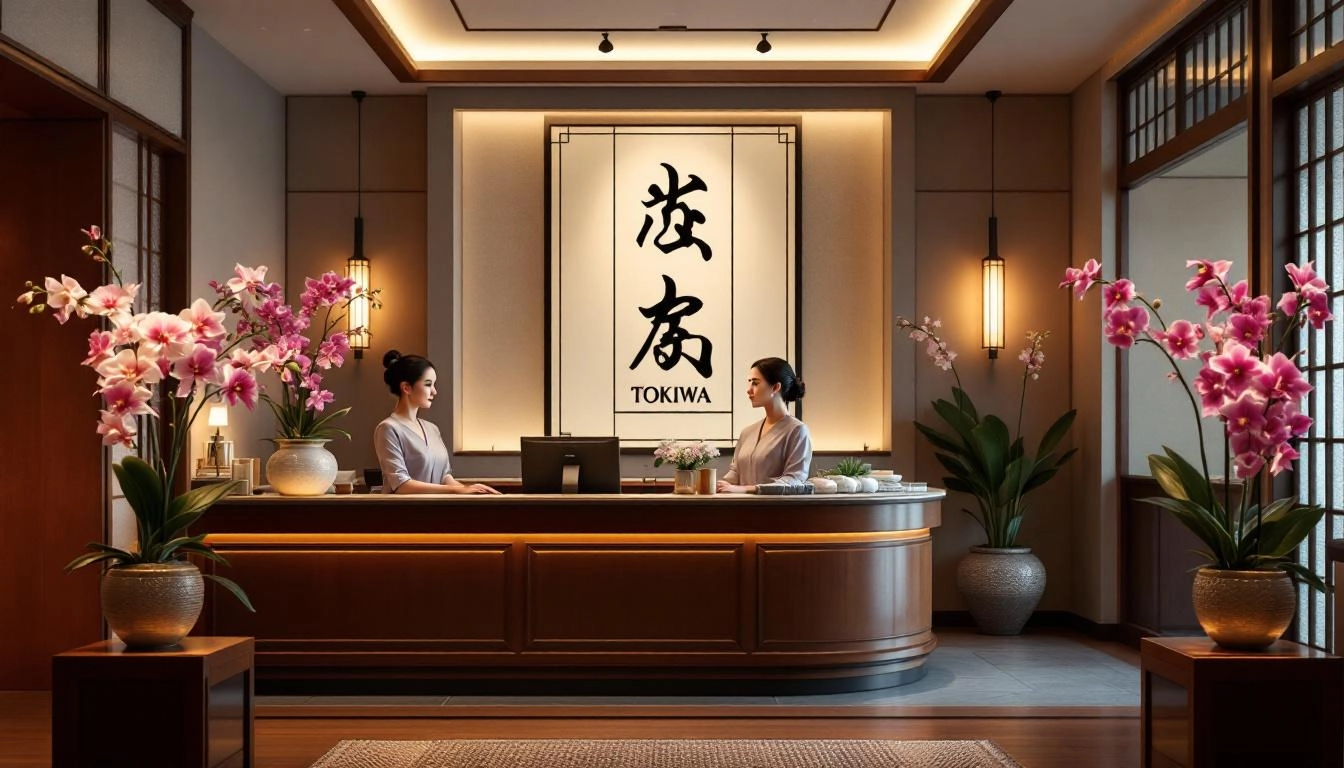
Japan's 1956 Anti-Prostitution Law bans paid intercourse very narrowly, so the entire industry is built around that one definition. Soaplands run on the fiction that what happens is a 'private agreement' between two people who happened to meet at a bathhouse; fashion health and image clubs sell everything but the single prohibited act. Enforcement is light and the zones are quasi-official, but the legal cover is real and shapes how every venue presents itself.
Two hard lines for foreigners. First, 'Japanese only' policies are legal and common — many venues will turn you away with no explanation owed. Second, drug laws are severe: even small amounts mean arrest, deportation and a re-entry ban, with zero tolerance regardless of what is legal back home. Treat Japan as a hard no on anything illegal.
Where to go
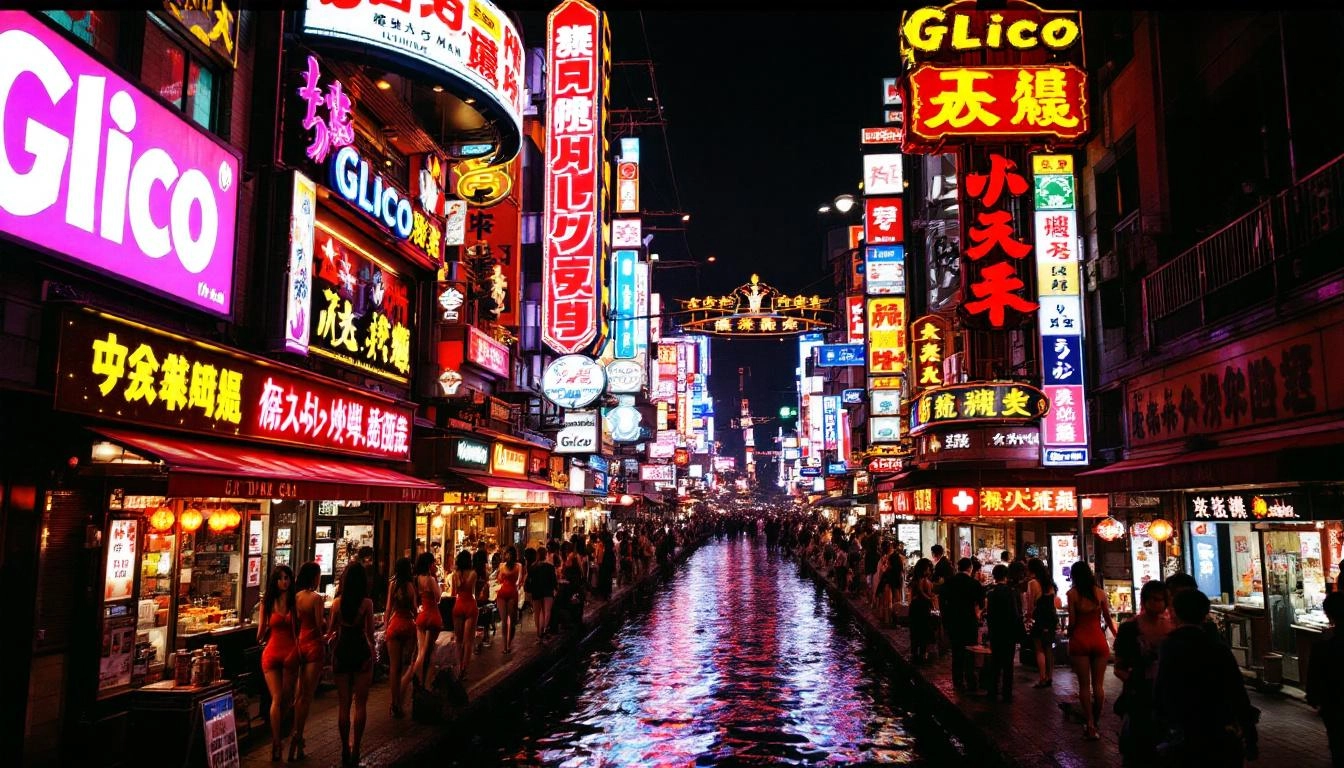
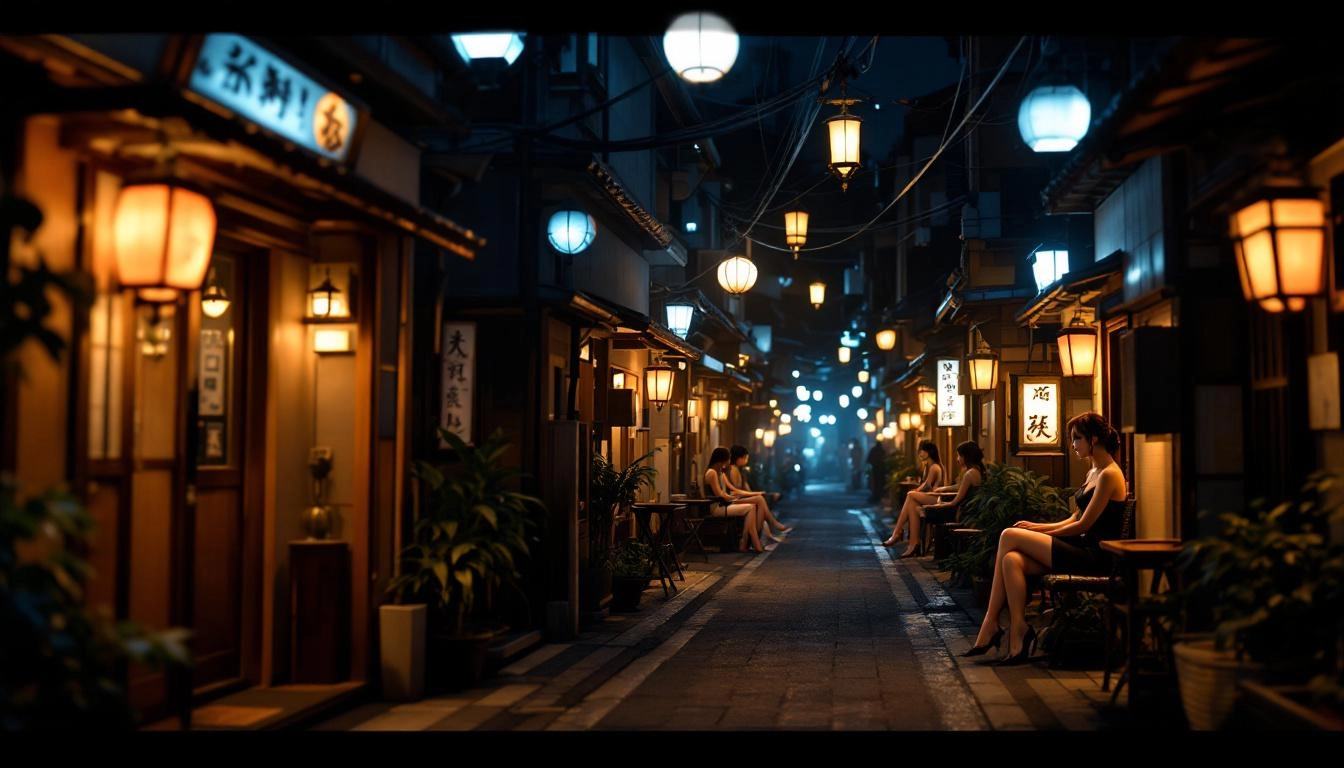
Tokyo's Kabukicho is the obvious start — the biggest district in Asia and the most foreigner-accessible, with English signage and some bars that actively court foreign customers. It is the one place a first-timer can navigate without a local. Osaka's Tobita Shinchi is the counterpoint: a preserved, very traditional pleasure quarter where rows of small houses operate in plain sight — more atmospheric, far less foreigner-friendly.
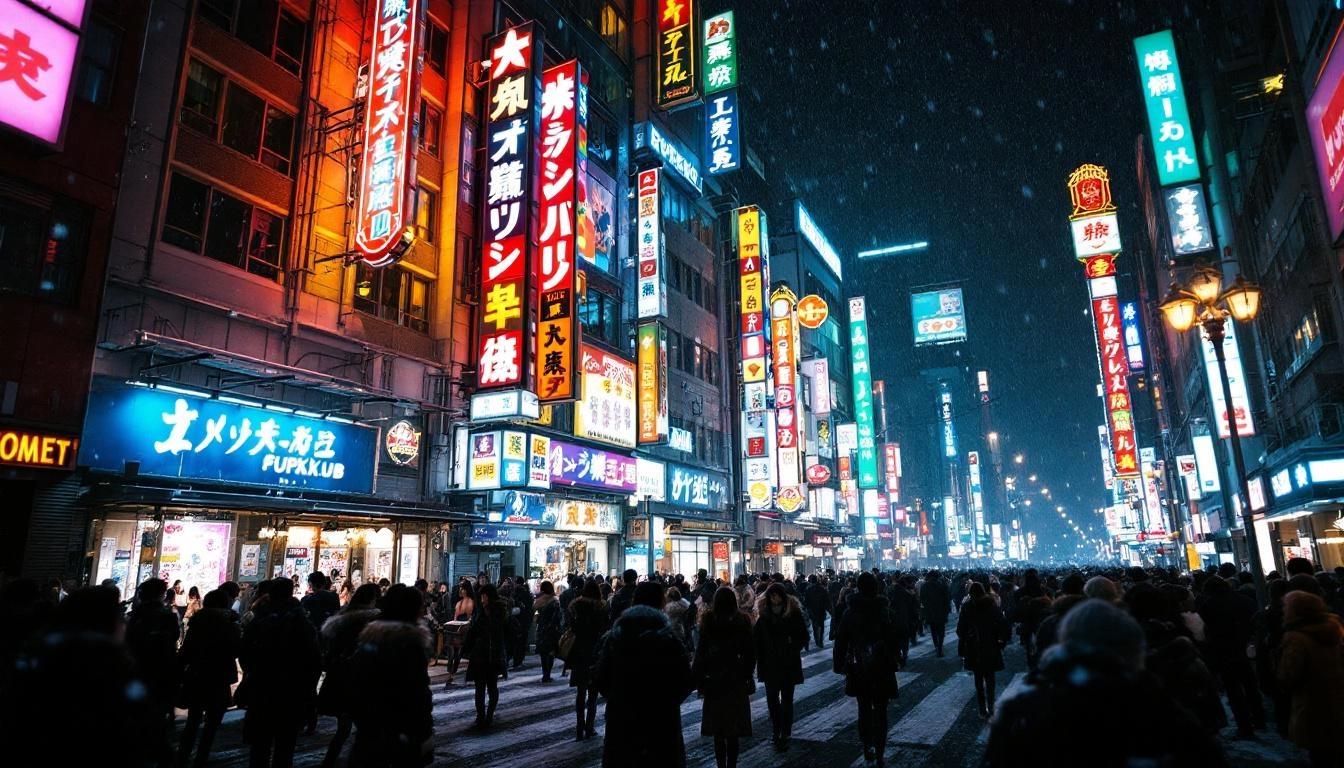
Further out, Sapporo's Susukino is the largest entertainment district north of Tokyo and the centre of nightlife on Hokkaido. Kyoto keeps a smaller, more discreet scene in keeping with the city's character. Across all of them the pattern holds: the further from Tokyo and the more traditional the venue, the harder it is to get through the door as a foreigner.
Practical info
Most Western passports get 90 days visa-free. The currency is the yen (JPY), around 150 to the US dollar, and Japan remains a cash society — many venues take no cards at all, so carry more than you think you need. It is expensive across the board: a night in a Tokyo hostess bar runs $200–500 before drinks tip the bill higher, and the opaque 'set charge plus extensions' pricing can balloon fast if you do not ask up front.
The upside is that everything else works flawlessly. Trains are spotless and punctual, an IC card (Suica or Pasmo) covers transport in any city, and crime against tourists is almost nonexistent. There is no tipping. The main hazard is the bill itself — touts in Kabukicho luring you into clubs with hidden cover charges are the classic scam, so stick to venues you chose, not ones you were walked to.