Manila
Contents
Overview
Manila operates on a different model than Bangkok and it's worth understanding that difference before you go. The transactional element is present but it wears a lighter disguise — the Philippine bar scene runs on companionship, conversation, and mutual chemistry alongside the financial reality. Filipinas are warm, speak English, and tend to make the interaction feel less clinical than a GoGo bar transaction.
The city itself is chaotic, sprawling, and not particularly well-designed for tourism. For nightlife purposes, three areas matter: Makati (business district, upscale KTVs and bars), Malate (the traditional tourist bar strip), and Pasay (near the Entertainment City casinos). Getting between them requires planning — Manila's traffic is genuinely bad.
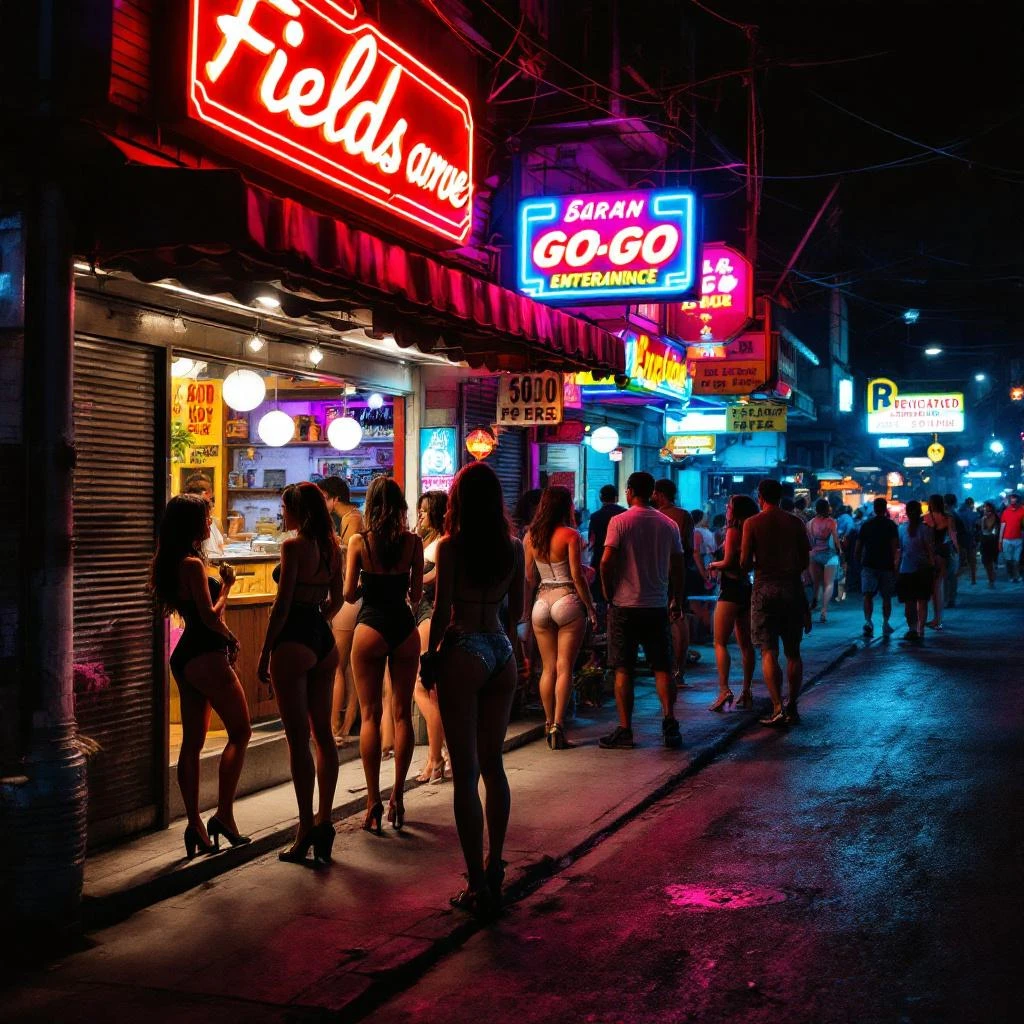
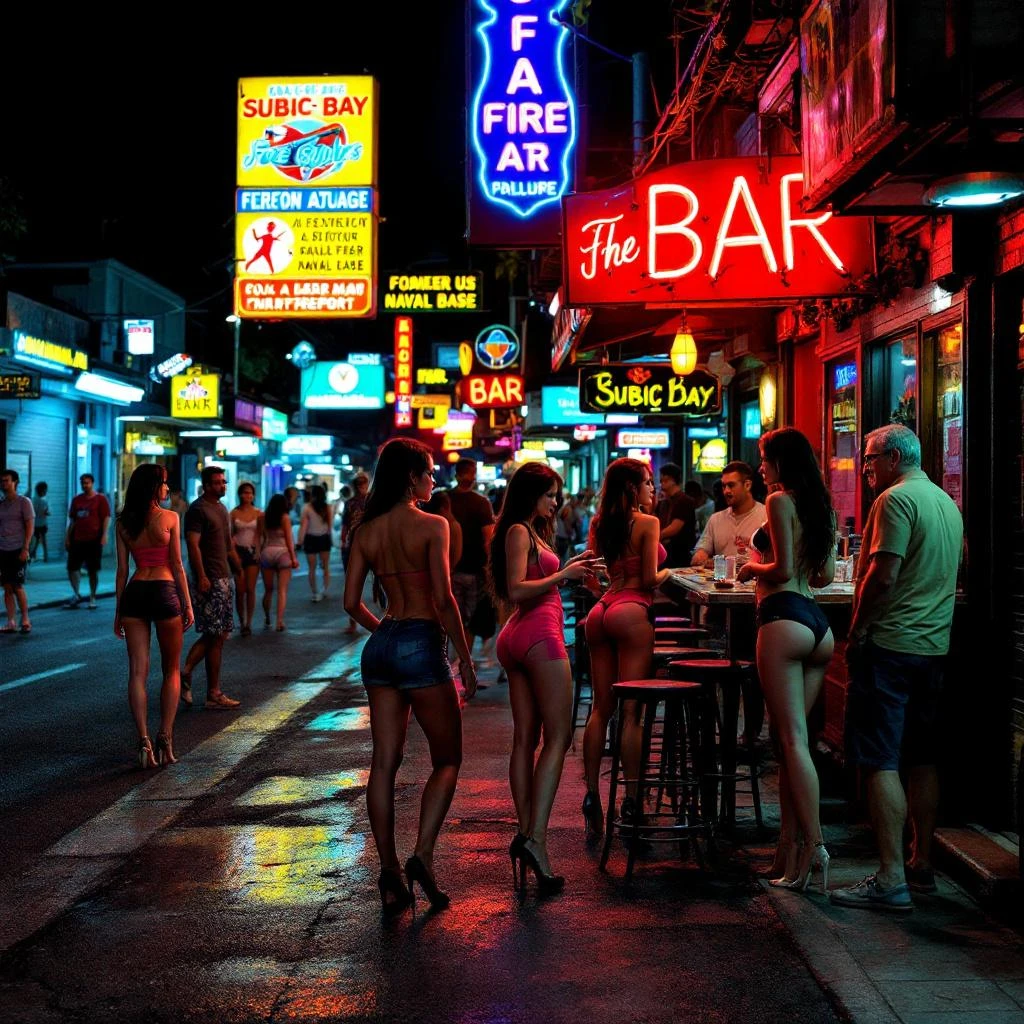
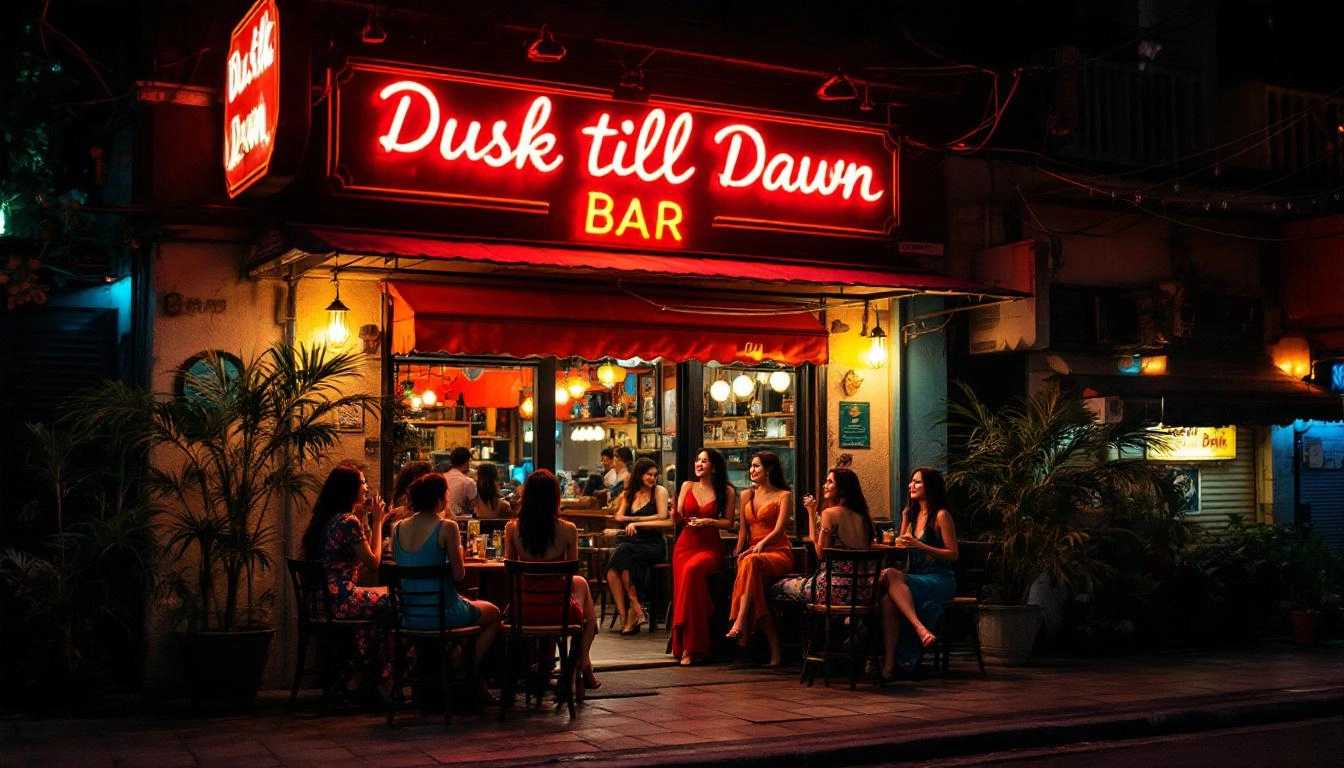
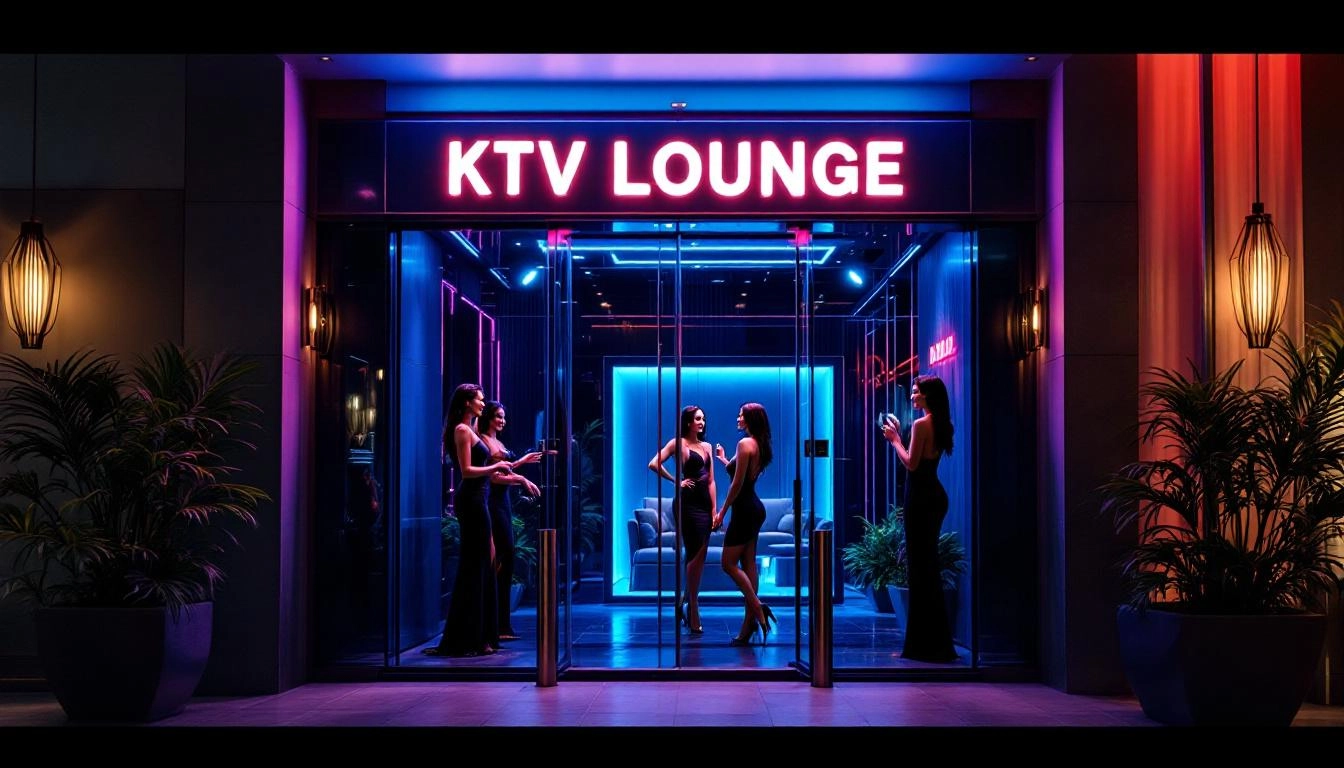
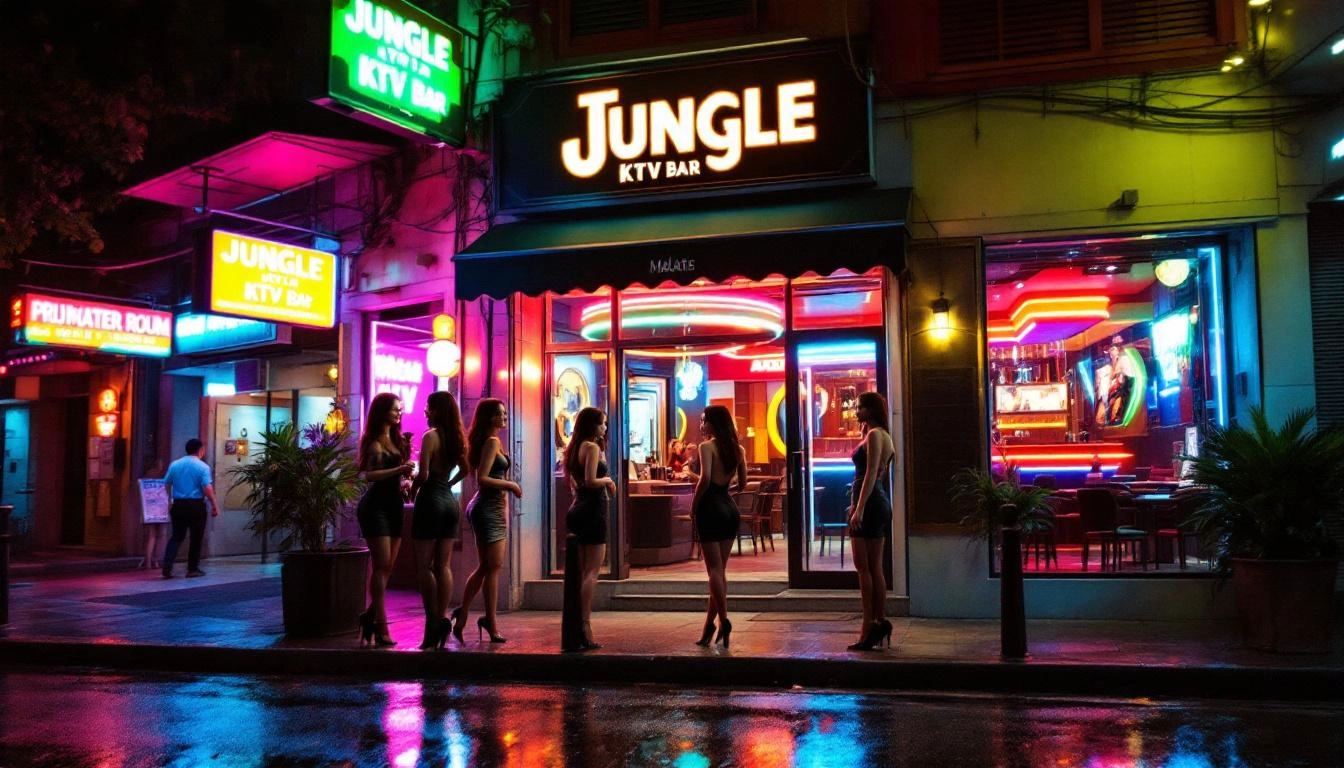
Malate on Burgos Street used to be the centre of Manila's P4P scene. It's quieter than its peak years but still functional — open-fronted bars, Filipinas sitting outside, the familiar setup. Makati's KTV circuit runs on a different model: private rooms, female companions hired by the hour, more expensive and less accessible for tourists without local contacts.
Don't arrive in Manila expecting Bangkok. The infrastructure is messier and the scene requires more effort. What you get for that effort is a different quality of interaction — and prices that are lower than Bangkok's post-Covid levels.
Prostitution is illegal in the Philippines. The bar scene operates through the "guest relations officer" system — women are employed by the bar and customers pay a bar fine to take them out. Enforcement is inconsistent and the system is openly tolerated.
Red Light Districts
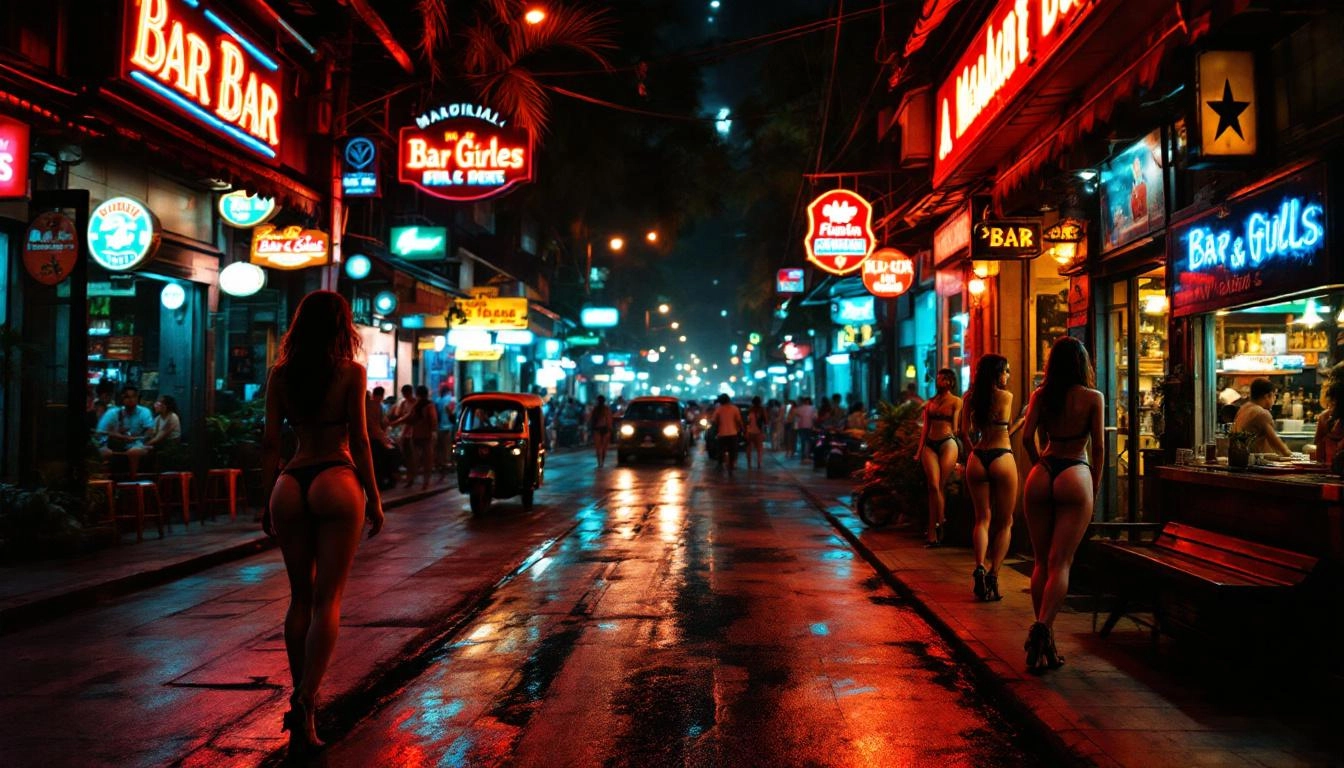 7 venues
Malate
Girly Bars, Beer BarsMalate is Manila's traditional adult entertainment district, centred around Burgos Street and the surrounding blocks of Ermita. It's been running in some form since the 1970s and at its peak in the 1990s was one of the busiest bar districts in Southeast Asia. It's quieter now — various crackdowns and the shift toward Makati have reduced the number of venues — but the bones of the scene remain.
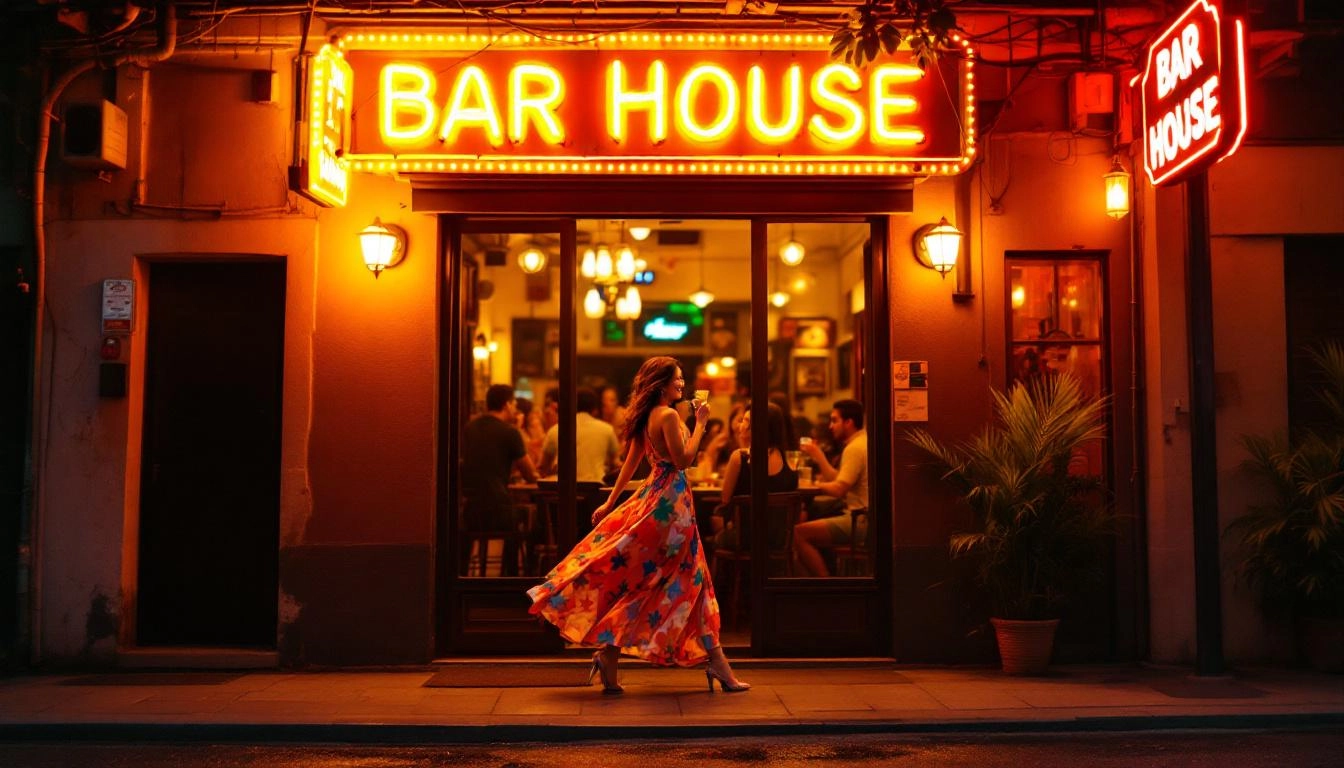
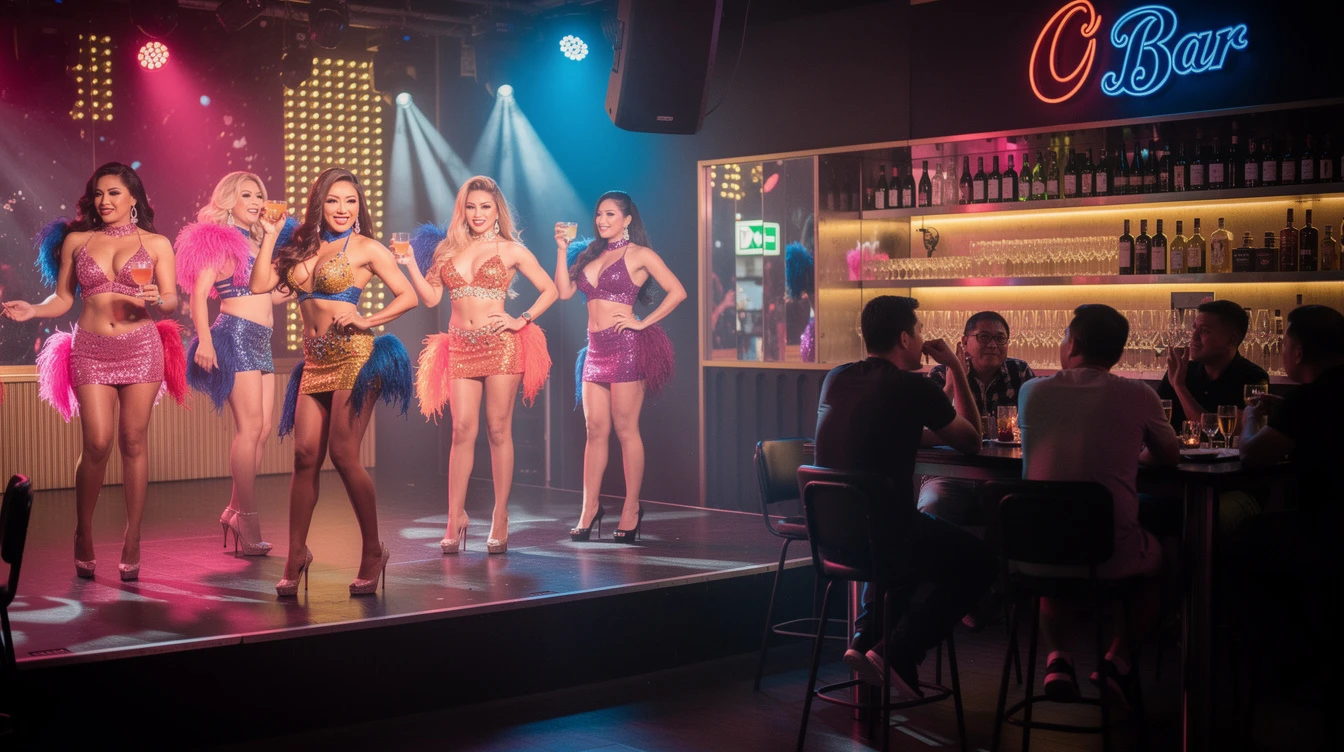
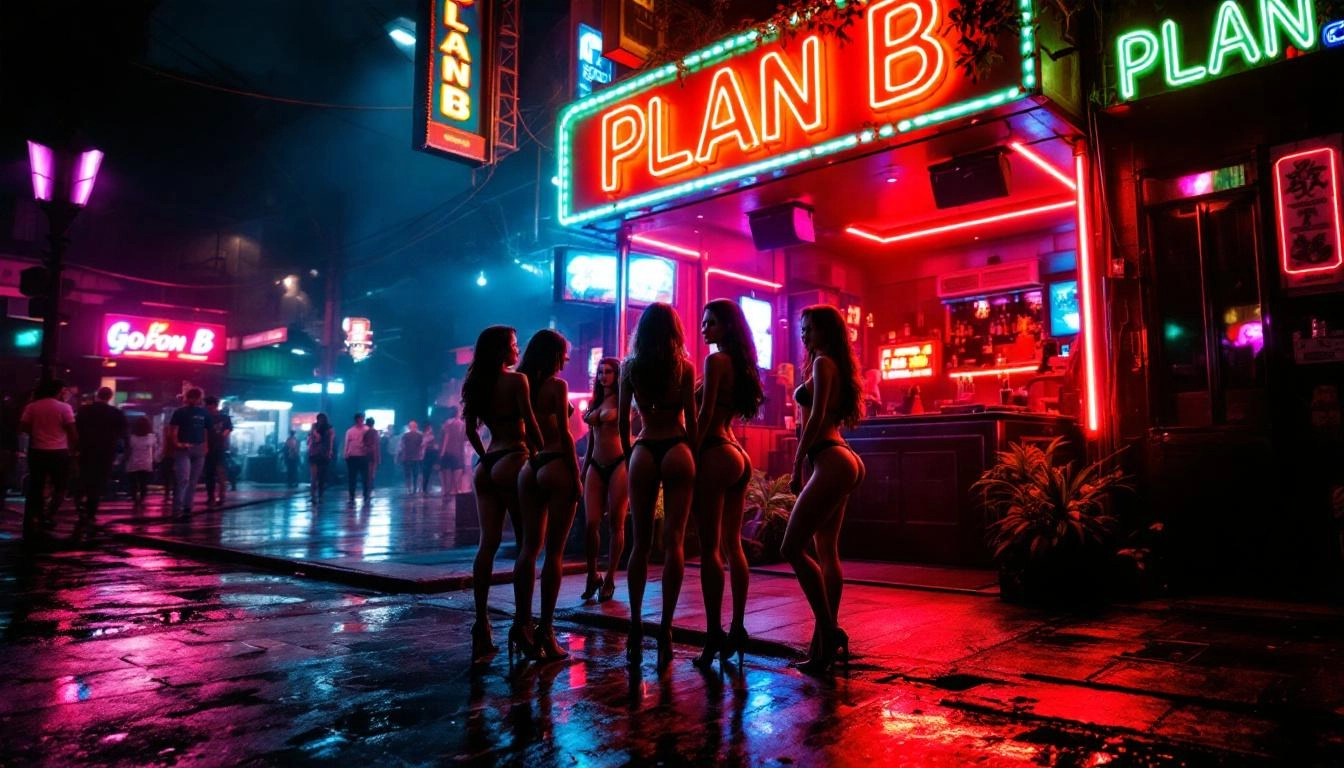
Open-fronted bars line Burgos Street and the adjacent streets, with Filipinas sitting outside or visible from the street. The format is familiar if you've been to Fields Avenue in Angeles City: companionship, lady drinks, and a bar fine if you want to take someone out. English is universal. Prices are lower than Bangkok equivalent.
Malate peaks from 9pm to 2am. The neighbourhood is not upscale — keep your phone in your pocket and use Grab to get back to your hotel rather than walking. The bar scene itself is safe; the surrounding streets less so late at night.
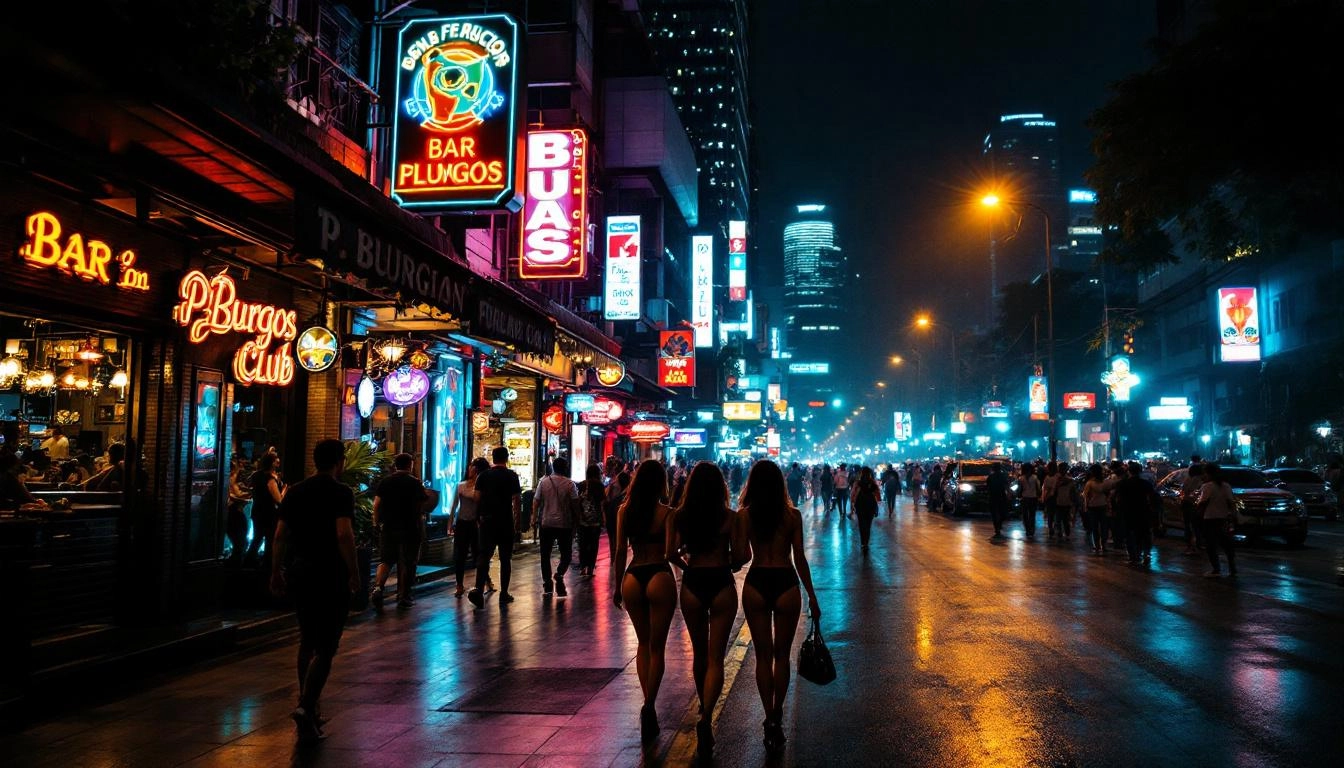 16 venues
P. Burgos / Makati
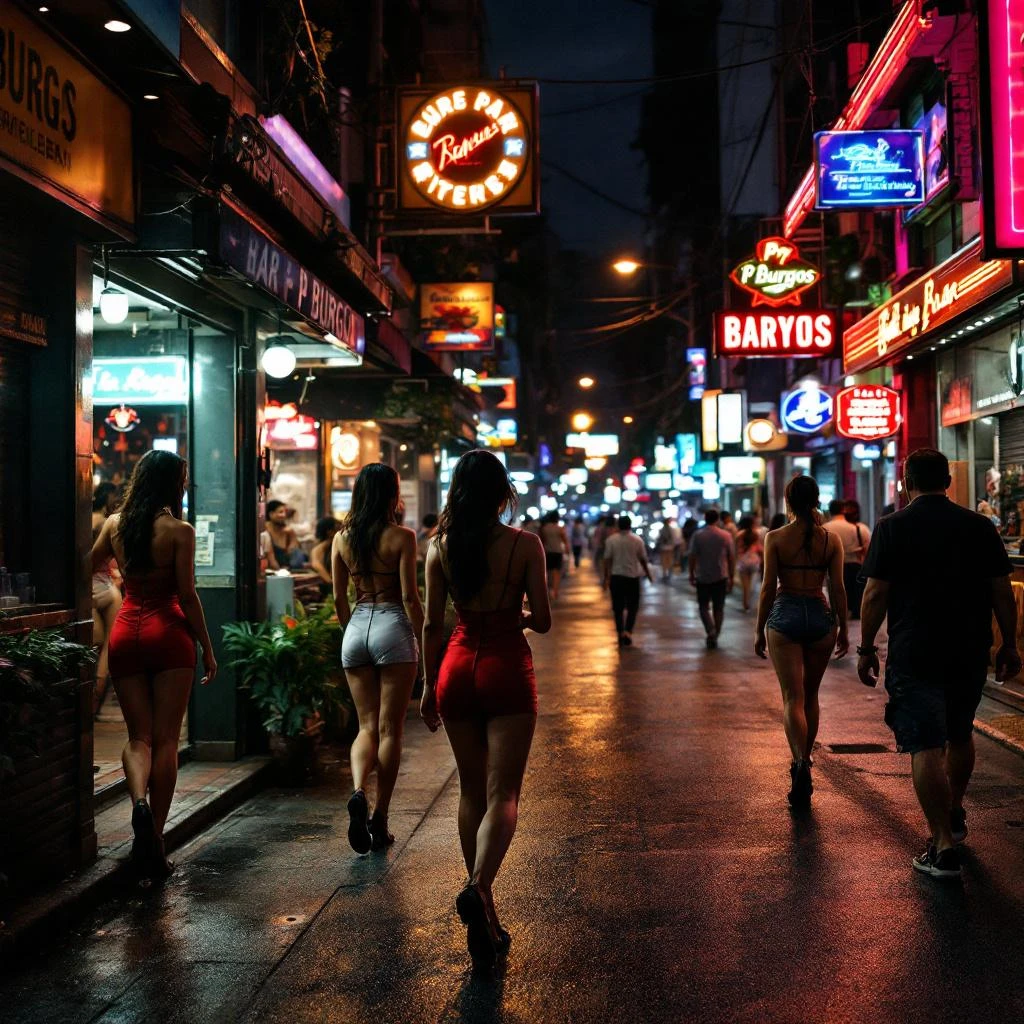
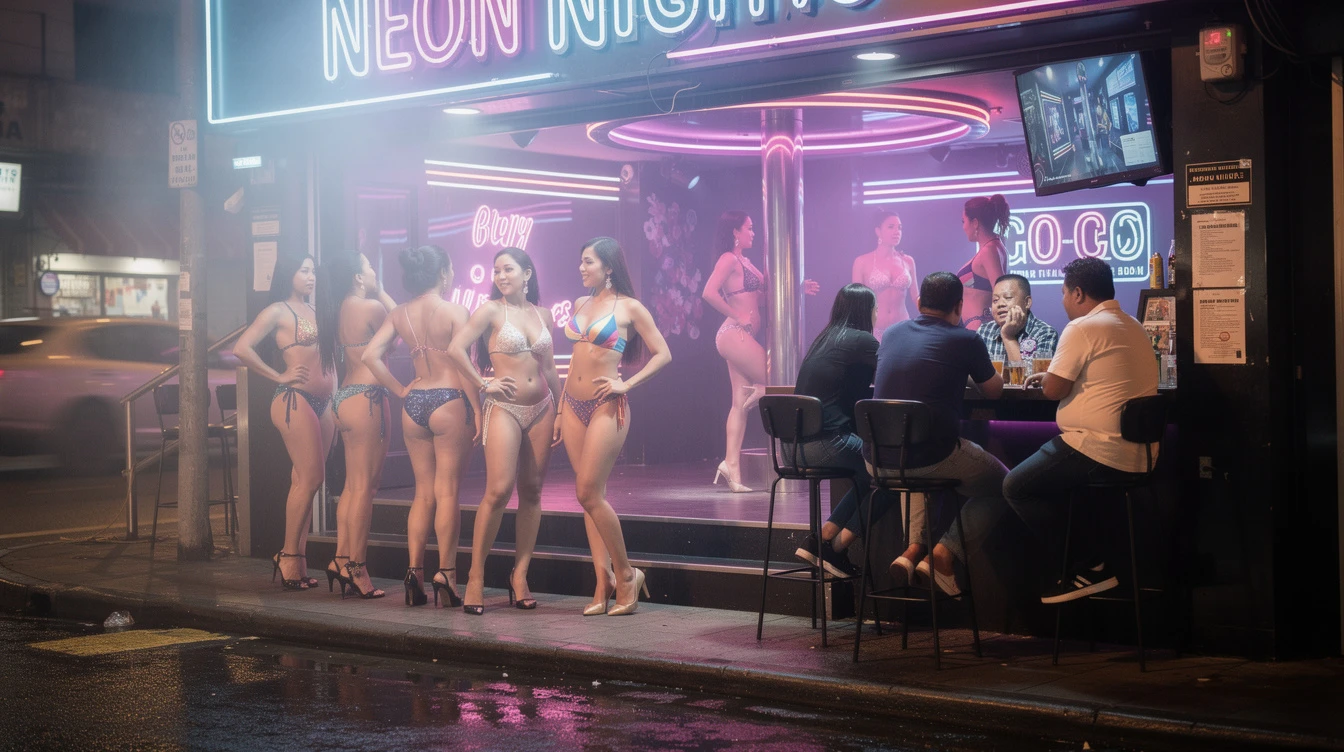
Girly Bars, GoGo Bars, ClubsP. Burgos Street in Barangay Poblacion, Makati is the current centre of Manila's adult entertainment scene — the successor to Malate that has drawn venues, expats, and visitors away from the older district over the past decade. The street itself is walkable and concentrated: a few hundred metres of girly bars, clubs, and restaurants that operate openly and professionally.
The bar format is the same as Angeles City: companionship, lady drinks, barfine to take someone out. English is universal. The women working here tend to be more city-polished than the Fields Avenue equivalent — Makati is the financial district of Manila, and the surrounding infrastructure reflects that. Bars are air-conditioned, better maintained, and more upscale than Malate equivalents. Prices reflect it: barfines 500–1,000 PHP, lady drinks 150–250 PHP.
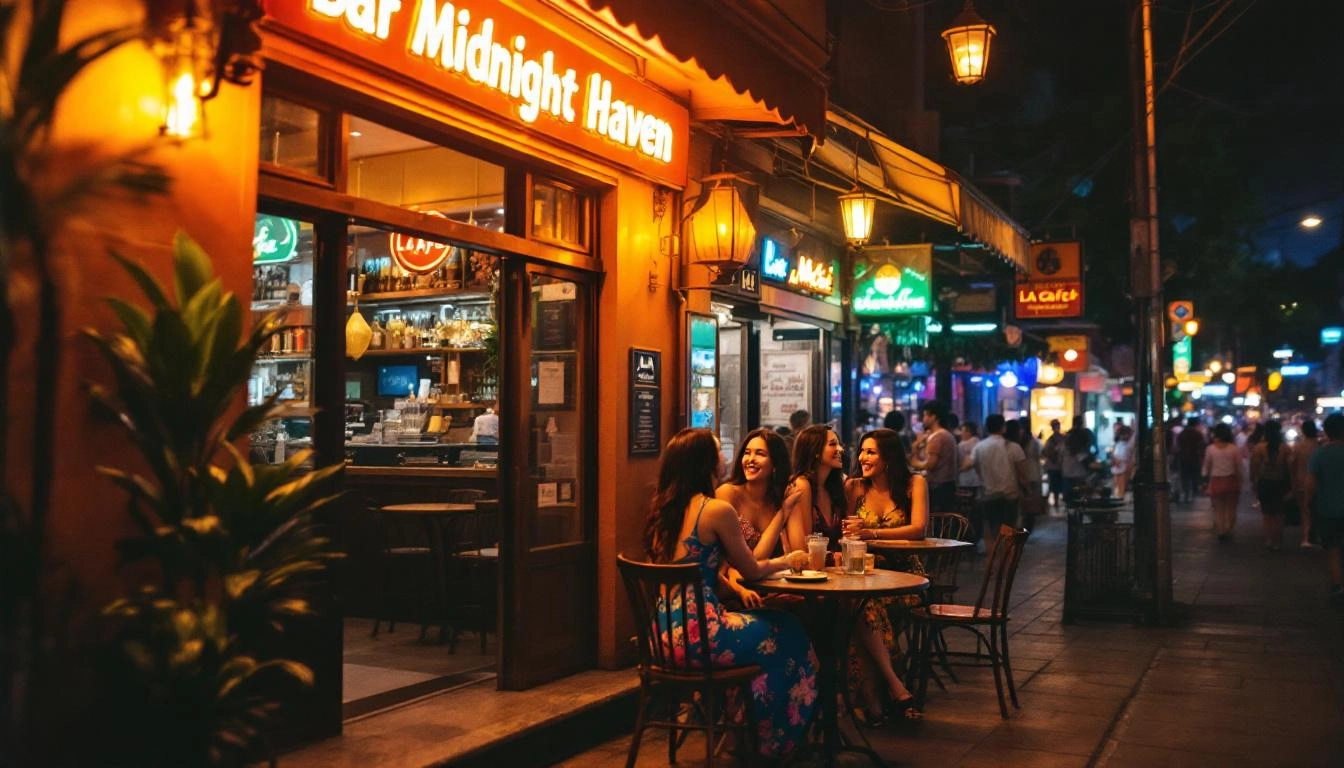
P. Burgos peaks from 9pm to 3am. The surrounding Poblacion neighbourhood has a parallel mainstream bar scene aimed at young Filipinos and expats — good restaurants, craft cocktail bars, and the general energy of a neighbourhood that stays up late. The adult strip and the mainstream scene coexist on the same streets, which makes Poblacion more interesting to navigate than a purely P4P zone.
Grab is the right transport in and out — street parking is limited and the surrounding Makati grid is not pedestrian-friendly beyond the Poblacion pocket.
Venues in Manila
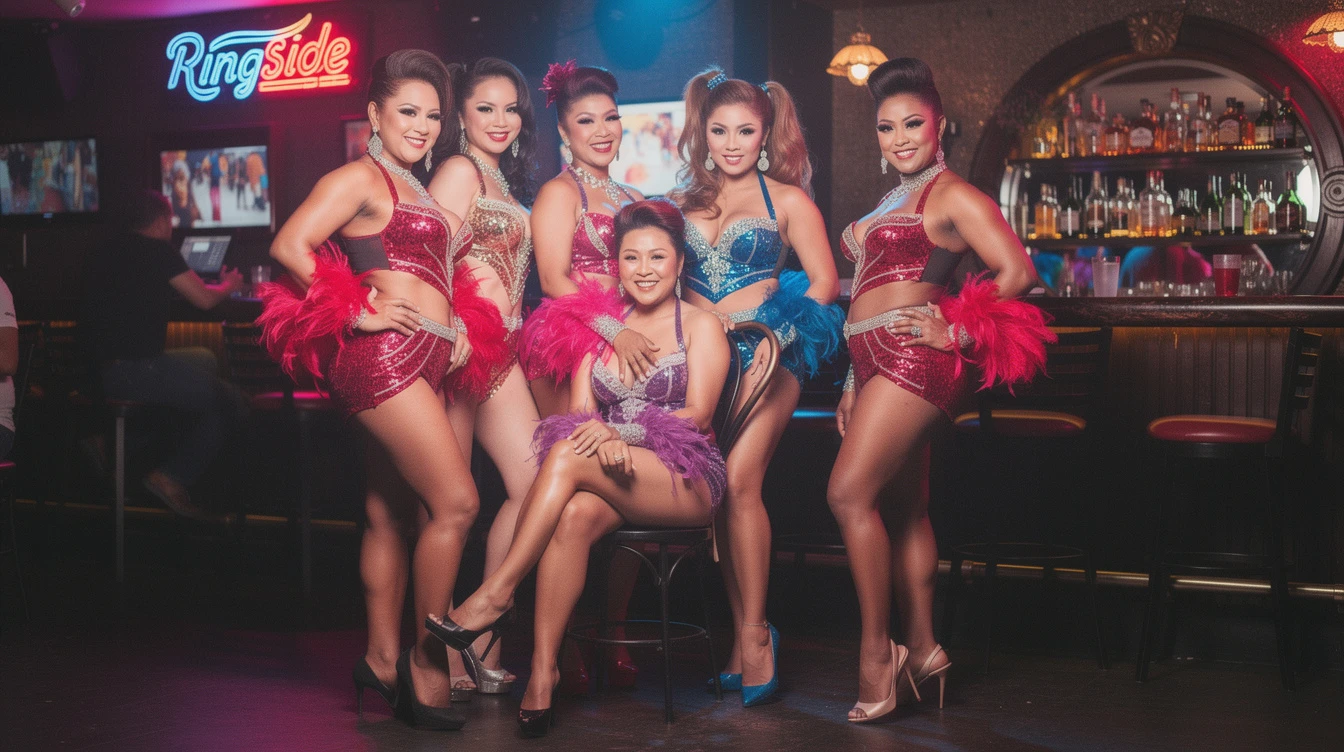
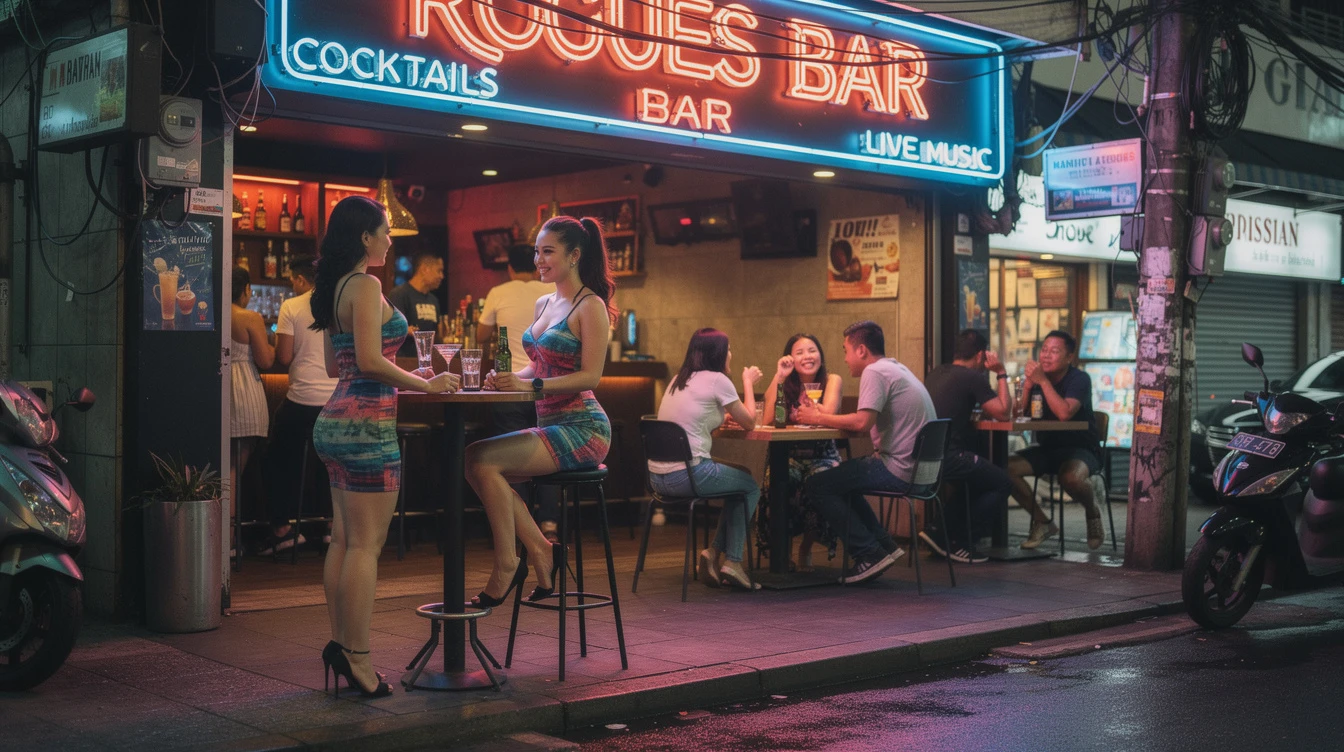
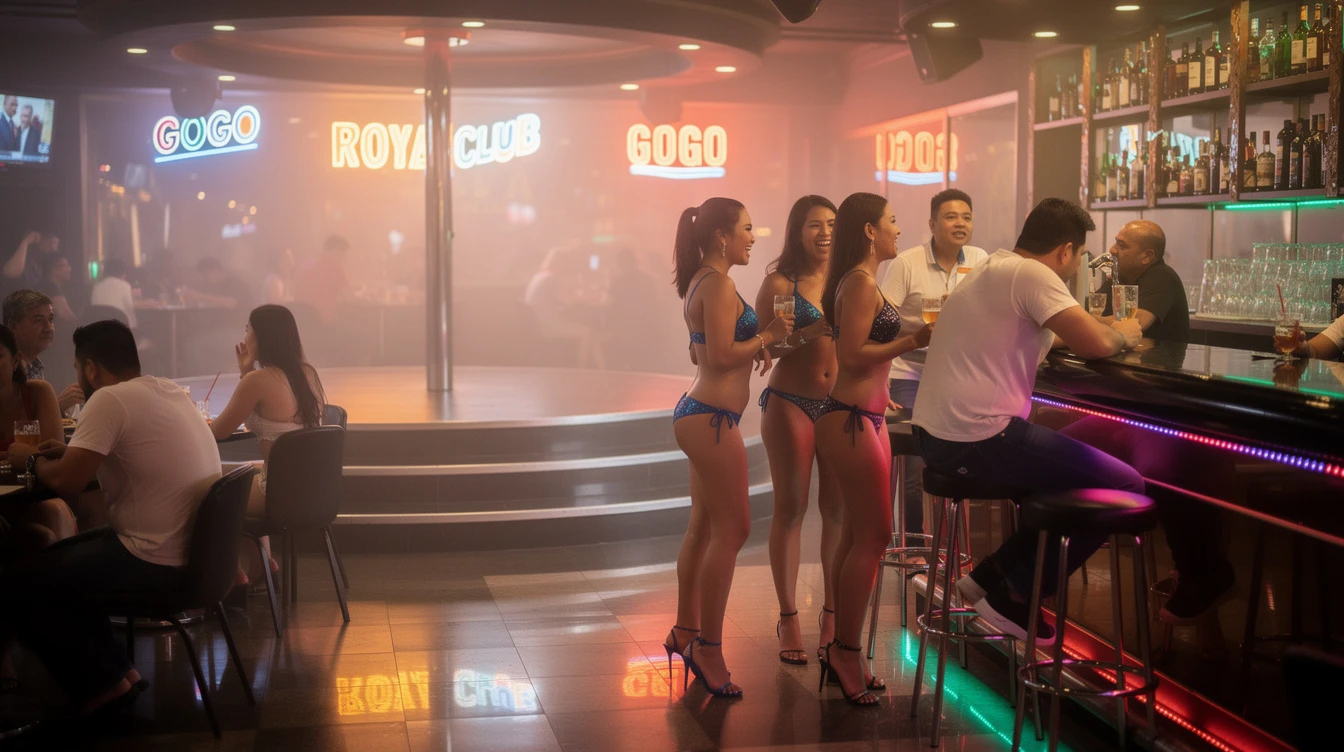
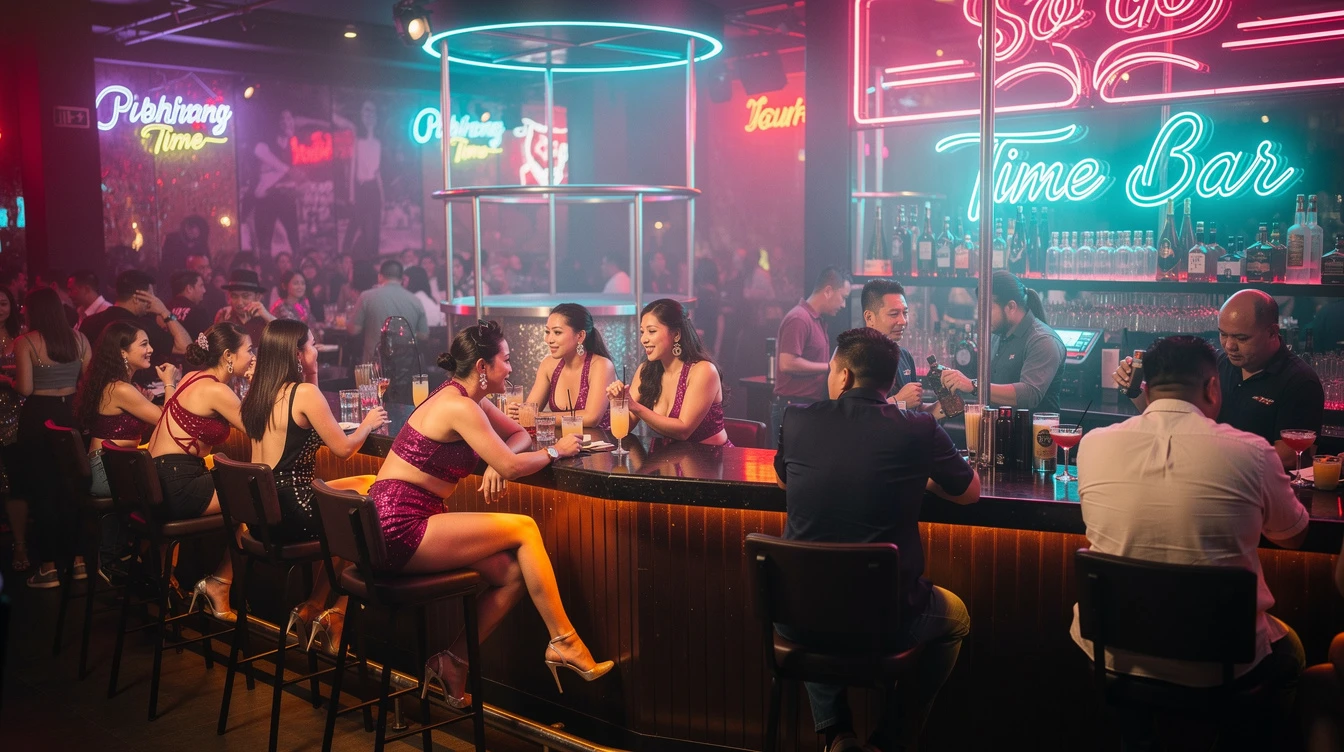
Map
Cost Guide
| Item | Low | High |
|---|---|---|
| Beer (bar) | 120 PHP ~$2 | 180 PHP ~$3 |
| Lady drink | 150 PHP ~$2 | 300 PHP ~$5 |
| Bar fine | 2,500 PHP ~$40 | 4,000 PHP ~$64 |
| Short time | 2,000 PHP ~$32 | 3,500 PHP ~$56 |
| Long time | 4,000 PHP ~$64 | 6,000 PHP ~$96 |
| Massage (1hr) | 400 PHP ~$6 | 900 PHP ~$14 |
Approximate guide prices; USD equivalents at current exchange rates, refreshed hourly.
Manila is cheap by regional standards and significantly cheaper than Bangkok post-Covid. Beer in a Malate bar runs 80–120 PHP. A lady drink is 100–200 PHP. A bar fine runs 500–800 PHP. Short-time rates are typically 1,500–2,500 PHP on top.
Accommodation: budget guesthouses in Malate start at $20–35 per night. Decent mid-range in Makati runs $50–90. Food is excellent and cheap — a full meal in a local restaurant is 150–250 PHP.
The women
Manila is a sprawling capital of over thirteen million, and its scene is correspondingly varied. The bar district most foreigners know is P. Burgos Street in Makati — GoGo bars and KTVs running the GRO model — but Manila also has an enormous KTV and massage industry and, being a real metropolis, a far more cosmopolitan population than a bar town like Angeles. Working women come from the provinces and from Manila's own vast working class.
English is universal, so everything is easy to navigate. The clientele is a mix of expats, business travellers and locals.
The everyday women of Manila span the full range — call-centre workers, students, young professionals — and the city's size and modernity mean you'll meet educated, English-fluent women with international outlooks alongside the traditional Catholic mainstream. The same family-centred conservatism applies, and Manila's middle class can be quite proper about courtship, but app dating is huge and the famous Filipina warmth makes the city one of the more approachable big-city scenes in Asia for meeting locals.
Safety & Scams
Bangkok is safe for tourists. The risks are almost entirely financial — know the scams before you land.
Manila has a reputation that slightly overstates the actual risk to tourists in tourist areas. Violent crime against tourists in Makati, Malate, and BGC is not common. The risks are petty theft and taxi scams.
Always use Grab. Never negotiate with a street taxi driver in Manila — many refuse the meter and quote inflated fares. Keep your phone in your pocket in crowded areas, particularly around Quiapo and outside the tourist zones. Stick to Makati and Malate at night and the risk profile is manageable.
Tourist police hotline: 1155. English speakers available 24/7.
Getting Around
Grab is the answer to Manila's transport problem. The Metro Rail Transit exists and is cheap but overcrowded and unreliable, and it doesn't cover the areas that matter for nightlife.
Budget 150–300 PHP for a typical Grab ride within the Metro Manila core. Airport transfers run 400–700 PHP. Traffic adds time — the meter runs by distance, not time, so a slow journey costs the same as a fast one.
Where to Stay
Makati is the smartest base for most visitors — safer than Malate, better restaurants and infrastructure, easy access to both scenes via Grab. The Poblacion neighbourhood within Makati has exploded as a bar and restaurant district in recent years.
Malate itself is convenient for the traditional bar strip but the area around Burgos Street is not the most comfortable neighbourhood to stay in. Base in Makati and Grab to Malate.
Best Time to Go
November to April is the dry season and the right time for Manila. Temperatures run 25–33°C with tolerable humidity. December and January are pleasant and the city is lively over the Christmas season.
May to October is typhoon season — heavy rain and occasional super-typhoons in August–October. The bar scene continues but travel around the islands is unreliable and daytime activities are disrupted.
Ladyboy Scene
The Philippines has a significant transgender community — the Filipina LGBT culture is long-established and the visibility of transpinays in daily life is higher than in most Asian countries. Several venues in Malate cater to or include transgender performers and workers.
Pricing and approach is roughly equivalent to the mainstream bar scene. The culture is generally open about it — ask directly if it matters to you.
Cannabis
Thailand legalised recreational cannabis in 2022 — the first country in Southeast Asia to do so.
Cannabis is illegal in the Philippines and the Duterte-era drug war has left a legacy of zero tolerance that persists under subsequent administrations. The penalties are severe, the risk of being caught is real, and the legal situation for foreigners is worse than for locals. Do not consider it.